



20 Modern Project Management Buzzwords You Must Know
Last updated: December 20, 2025 Read in fullscreen view


 Recommended for you
- 01 Aug 2024
 The Standish Group report 83.9% of IT projects partially or completely fail 788/2605
 - 13 Apr 2024 Lessons on Teamwork and Leadership from Chinese story book "Journey to the West" 256/1342
- 13 Oct 2025 Mastering the Dynamic Squad Model: A Modern Approach to Agile Teams 208/414
- 21 Sep 2023 Abraham Wald and the Missing Bullet Holes 184/886
- 02 Nov 2021 What is Terms of Reference (ToR)? 168/1745
- 25 Sep 2018 Applying Cognitive Linguistics to Multi-Stakeholder Communication in IT Projects 143/192
- 01 Dec 2022 Difference between Set-based development and Point-based development 137/500
- 21 May 2022 "Fail Fast, Fail Often, Fail Forward" is the answer to Agile practices of software success 135/1184
- 10 Apr 2022 Agile self-organizing teams: What are they? How do they work? 130/688
- 27 Oct 2020 8 principles of Agile Testing 125/1440
- 03 Jul 2022 Manifesto for Agile Software Development 119/389
- 23 Jun 2024 Best Practices for Managing Project Escalations 115/320
- 16 Jul 2022 What are disadvantages of Agile Methodology? How to mitigate the disadvantages ? 115/511
- 28 Nov 2023 Scrum Team Failure — Scrum Anti-Patterns Taxonomy 114/369
- 02 May 2022 What Is RAID in Project Management? (With Pros and Cons) 105/948
- 01 Mar 2024 10 Project Management Myths 104/278
- 03 Apr 2022 Microsoft Solutions Framework (MSF) 103/1445
- 12 Aug 2022 What is End-to-end project management? 102/608
- 15 Jan 2026 ITIL vs PMP: What’s the Difference and Which One Should You Choose? 99/137
- 03 Jan 2023 Organizing your agile teams? Think about M.A.T (Mastery, Autonomy, Purpose) 96/493
- 20 Nov 2022 Agile working method in software and football 95/435
- 02 Nov 2022 Difference between Change Management and Project Management 92/324
- 07 Oct 2020 How To Manage Expectations at Work (and Why It's Important) 90/424
- 09 May 2022 Build one to throw away vs Second-system effect: What are differences? 87/398
- 09 Sep 2024 How AI Rewriting Can Improve Your Content’s SEO Performance 85/282
- 01 Aug 2022 Is planning "set it and forget it" or "set it and check it"? 84/381
- 10 Apr 2024 The Parking Lot Method: Unlocking a Simple Secret to Supercharge Your Productivity 84/604
- 01 Jun 2022 How Your Agile Development Team is Just Like a Football Team? 84/302
- 22 May 2022 What are common mistakes that new or inexperienced managers make? 83/364
- 17 Oct 2021 Does Fast Tracking increase project cost? 80/456
- 18 Dec 2023 The Cone of Uncertainty in Scrum & Requirement Definition 80/814
- 06 Oct 2025 AI Agents in DevOps: From Automated Runbooks to Self-Healing Pipelines 79/195
- 07 Dec 2023 12 project management myths to avoid 77/269
- 09 Oct 2022 Key Advantages and Disadvantages of Agile Methodology 77/781
- 14 Jun 2022 Example and Excel template of a RACI chart in Software Development 76/949
- 07 Jul 2022 Managing Project Execution Terms 75/482
- 18 Oct 2021 Key Elements to Ramping Up a Large Team 75/1334
- 18 Feb 2026 "Hit and Run" Project Management: Balancing Speed with Sustainability 74/100
- 12 Oct 2020 The Agile Manifesto - Principle #8 72/567
- 27 Jan 2020 Should a project manager push developers to work more hours due to mistakes of manager schedule setting? 67/508
- 15 May 2022 20 Common Mistakes Made by New or Inexperienced Project Managers 63/345
- 02 Dec 2021 3 Ways to Avoid Scope Creep in IT Consulting 62/271
- 24 Nov 2023 The project management paradox: Achieving MORE by doing LESS 61/291
- 05 Jun 2023 Fractional, Part-Time (virtual) or Interim CTO: Who Will Cover Your Business Needs? 60/203
- 26 Nov 2024 Harnessing Time Management Skills for Remote Team Effectiveness 60/280
- 06 Jun 2022 Change Management at the Project Level 60/366
- 20 Jul 2022 Software Myths and Realities 60/1001
- 02 Jun 2024 Reviving Ancient Wisdom: The Spiritual Side of Project Management 59/317
- 26 Sep 2024 Successful Project Management Techniques You Need to Look Out For 58/455
- 26 Sep 2024 Successful Project Management Techniques You Need to Look Out For 58/455
- 13 Jan 2020 Quiz: Test your understanding project cost management 55/701
- 10 May 2022 Levels of Teamwork 54/249
- 01 Mar 2022 Why Does Scrum Fail in Large Companies? 54/318
- 30 Nov 2023 Project Managers, Focus on Outcomes — Not Deliverables 52/213
- 10 Oct 2022 Should Your Business Go Agile? (Infographic) 48/172
- 21 Oct 2022 Virtual meeting - How does TIGO save cost, reduce complexity and improve quality by remote communication? 47/237
- 21 Jun 2024 Dead Horses and the Escalation of Commitment 47/185
- 02 Nov 2022 Frequently Asked Questions about Agile and Scrum 45/442
- 06 Mar 2024 Most Common Software Development Methodologies 43/205
- 12 Sep 2024 Be Water, My Friend: Fluidity, Flow & Going With the Flow 30/200
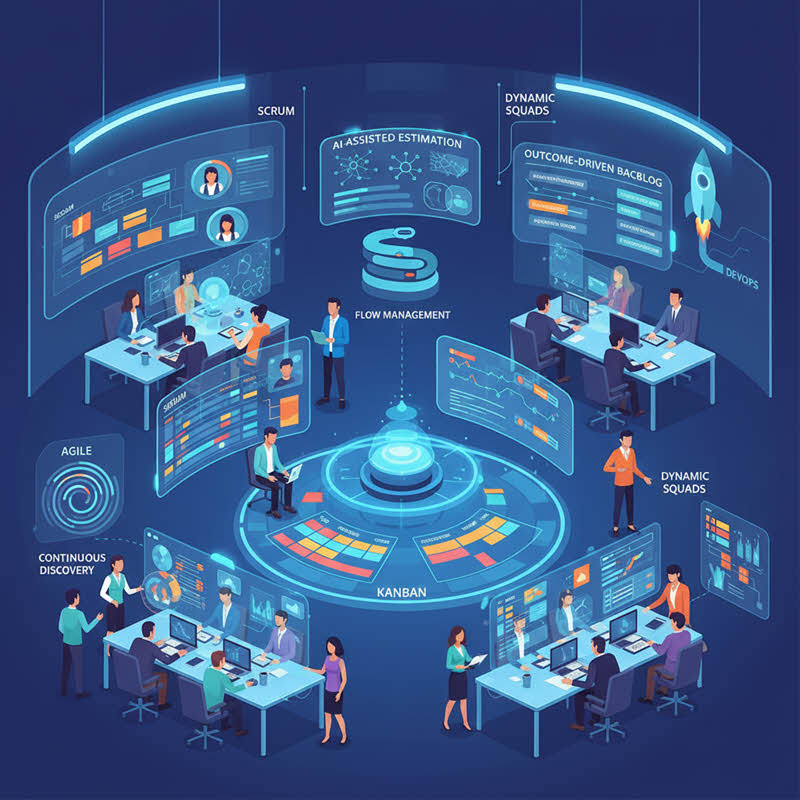
Stay ahead of the curve with these emerging trends, terms, and best practices shaping the future of project management.
1. Agile Methodologies
Definition: An iterative approach that emphasizes flexibility, collaboration, and customer feedback.
Example: A software team delivering small, frequent updates instead of one large release.
Best Fit: Software development, startups, R&D.
Best Practice: Hold regular retrospectives and adapt based on user insights.
2. Scrum
Definition: A popular Agile framework using sprints, stand-ups, and a clear team structure.
Example: A product team completing a 2-week sprint cycle with a demo at the end.
Best Fit: Teams with defined deliverables and evolving requirements.
Best Practice: Empower the Scrum Master to remove blockers daily.
3. Kanban
Definition: A visual workflow management system emphasizing continuous delivery.
Example: Using a Kanban board (To-Do, Doing, Done) in tools like Trello or Jira.
Best Fit: Operations, marketing, or maintenance projects.
Best Practice: Limit Work-in-Progress (WIP) to improve flow efficiency.
4. Hybrid Project Management
Definition: Combining Agile flexibility with the structure of traditional (Waterfall) methods.
Example: Waterfall planning for infrastructure; Agile execution for software.
Best Fit: Large enterprises or regulated industries.
Best Practice: Define clear boundaries between predictive and adaptive phases.
5. Lean Principles
Definition: Focus on maximizing value while minimizing waste.
Example: Eliminating unnecessary approval steps in project workflows.
Best Fit: Manufacturing, process improvement, startups.
Best Practice: Use “Value Stream Mapping” to spot waste.
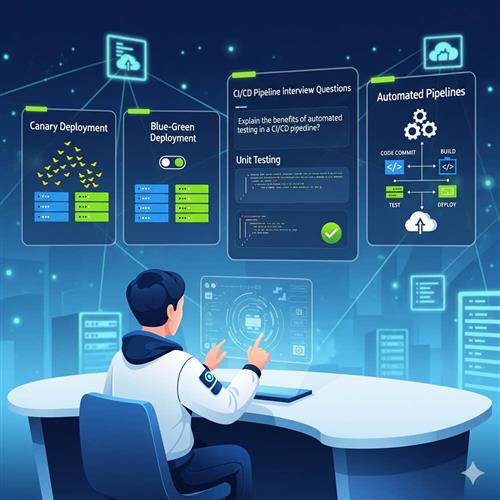
6. DevOps
Definition: Integrating development and operations to shorten the delivery cycle.
Example: Automated CI/CD pipelines for faster deployment.
Best Fit: Software and IT infrastructure projects.
Best Practice: Foster a culture of shared ownership and feedback loops.
7. Dual-Track Agile
Definition: Running discovery (research) and delivery (execution) in parallel.
Example: One team tests user needs while another builds validated features.
Best Fit: Product teams with frequent innovation.
Best Practice: Keep discovery lightweight and continuous.
8. Continuous Discovery
Definition: Ongoing learning about customer needs instead of one-time research.
Example: Monthly user interviews feeding into backlog refinement.
Best Fit: UX-driven or customer-centric projects.
Best Practice: Integrate discovery tasks into every sprint.
9. Outcome-Driven Backlog
Definition: Prioritizing tasks based on desired outcomes, not just features.
Example: Instead of “Add button,” focus on “Increase conversion rate.”
Best Fit: Growth, marketing, and product design.
Best Practice: Link every backlog item to a measurable business result.
10. AI-Assisted Estimation
Definition: Using AI tools to predict timelines, risks, and budgets.
Example: AI analyzing historical data to estimate delivery times.
Best Fit: Data-rich organizations or PMOs.
Best Practice: Combine AI predictions with human judgment for context.
11. FlowSync
Definition: Synchronizing multiple teams’ workflows to maintain delivery rhythm.
Example: Design, Dev, and QA all aligned on weekly cadence.
Best Fit: Multi-team or cross-functional projects.
Best Practice: Use shared dashboards to visualize dependencies.
12. Dynamic Squads
Definition: Flexible teams that form and dissolve based on project needs.
Example: A “Tiger Team” assembled for a quick turnaround project.
Best Fit: Agile organizations and digital agencies.
Best Practice: Rotate members to avoid burnout and knowledge silos.
13. Technical Debt Management
Definition: The process of reducing accumulated “shortcuts” in code or processes.
Example: Allocating every fifth sprint for refactoring and cleanup.
Best Fit: Software, IT systems, and process design.
Best Practice: Track tech debt as part of your backlog, not as an afterthought.
14. Continuous Feedback Loops
Definition: Regularly collecting insights to adapt faster.
Example: Weekly stakeholder syncs or customer NPS tracking.
Best Fit: Product-led or customer-facing teams.
Best Practice: Automate feedback channels with analytics tools.
15. Hybrid Work Models
Definition: Blending remote and on-site collaboration effectively.
Example: Teams working remotely 3 days and in-office 2 days per week.
Best Fit: Knowledge-based or global organizations.
Best Practice: Use asynchronous tools (Notion, Slack) for transparency.
16. Emotional Intelligence (EI)
Definition: The ability to manage emotions, empathy, and team motivation.
Example: A PM de-escalates conflict by listening and reframing.
Best Fit: Leadership, coaching, people management.
Best Practice: Develop self-awareness and empathy as part of leadership training.
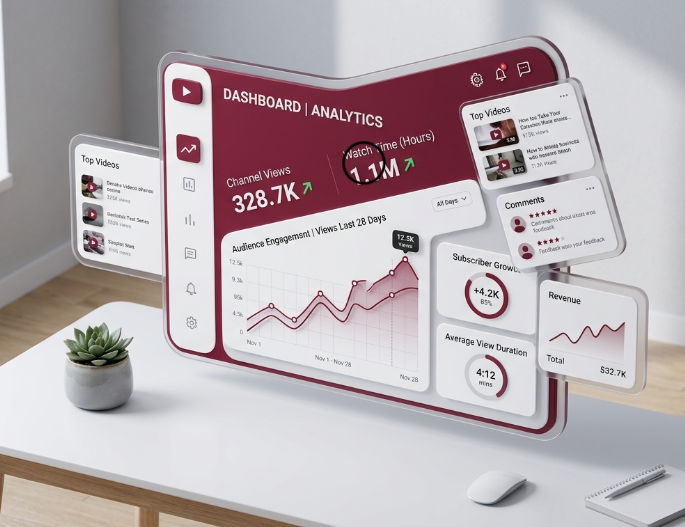
17. Data-Driven Decision Making
Definition: Using analytics and KPIs instead of intuition alone.
Example: Prioritizing features based on user retention data.
Best Fit: Marketing, SaaS, performance-based teams.
Best Practice: Build a data dashboard with actionable metrics.
18. Sustainability & Green PM
Definition: Managing projects that minimize environmental impact.
Example: Using eco-friendly materials in construction projects.
Best Fit: Infrastructure, energy, and CSR initiatives.
Best Practice: Include carbon footprint as a project KPI.
19. Psychological Safety
Definition: Creating an environment where team members feel safe to speak up.
Example: Team retros where everyone can critique without fear.
Best Fit: Agile, innovation, or cross-cultural teams.
Best Practice: Celebrate mistakes as learning opportunities.
20. Portfolio Management
Definition: Aligning multiple projects with strategic business goals.
Example: A PMO prioritizing projects based on ROI and risk.
Best Fit: Enterprise-level or multi-program organizations.
Best Practice: Use a balanced scorecard to align initiatives.
Modern project management is no longer about controlling people — it’s about orchestrating systems, culture, and continuous learning.
Whether you’re managing digital transformation or hybrid teams, mastering these 20 buzzwords will help you stay relevant, credible, and future-ready.
 Explore more on these topics

























 Guest Blogging: The Definitive Guide

 Top Trending Topics
 Share This
 Link copied!
 Recently Updated News