




10 AI Tools Every Freelancer Should Use for a Side Hustle in 2026
Last updated: November 26, 2025 Read in fullscreen view


 Recommended for you
The side hustle economy is still booming in 2026. More professionals are freelancing to supplement their income and stay ahead of rising costs. But freelancing isn’t easy—managing clients, finances, marketing, and content creation can be overwhelming, especially if you’re juggling a full-time job.
Here are 10 AI tools that can help freelancers streamline their workflows, boost productivity, and improve the quality of their services:
1. Lyne AI
Purpose: Automates personalized cold emails for lead generation.
Pros:
- Generates hundreds of personalized email openings in one hour.
- Integrates with LinkedIn Scraper to extract real-time contacts.
- Helps improve response rates and outreach efficiency.
Cons:
- May require careful tone checking to avoid appearing spammy.
- Heavy reliance on AI could reduce personal touch if overused.
Best Practices:
- Use AI-generated lines as a starting point, but personalize further.
- Segment your leads to improve relevance and conversions.
2. Logopony
Purpose: AI-powered logo creation for personal branding or small businesses.
Pros:
- No design experience required.
- Quickly generates multiple logo concepts.
- Allows customization of colors, fonts, and icons.
Cons:
- Might lack uniqueness if used without tweaks.
- Limited flexibility for complex branding projects.
Best Practices:
- Use as inspiration, then refine manually or with a designer.
- Ensure logos align with your overall brand identity.
3. Scheduler AI
Purpose: Smart meeting scheduling based on text intent.
Pros:
-
Reduces back-and-forth coordination.
-
Handles cancellations, rescheduling, and reminders automatically.
-
Intuitive AI analysis improves scheduling accuracy.
Cons:
-
Learning curve for initial setup.
-
Some clients may prefer traditional scheduling tools.
Best Practices:
-
Integrate with your calendar and CRM for seamless workflow.
-
Train AI on your preferred scheduling etiquette.
4. Supercreator AI
Purpose: Creates short-form video content for social media and personal branding.
Pros:
-
Teleprompting, script assistance, and customizable backgrounds.
-
Ideal for edutainment content.
-
Reduces video production time significantly.
Cons:
-
Limited creative style options.
-
Best results require good initial script or concept.
Best Practices:
-
Use as a supplement, not a replacement, for authentic content.
-
Combine AI tools with your personal touch for higher engagement.
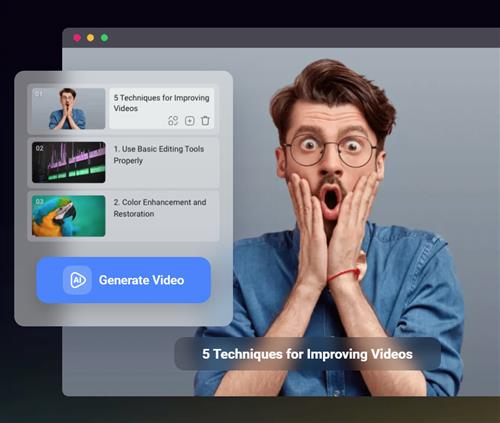
5. FlexClip AI (New for 2026)
Purpose: Video creation and editing platform with AI assistance.
Pros:
-
Quickly converts text into engaging videos.
-
Offers templates, AI voiceovers, and automated captions.
-
Suitable for marketing, tutorials, and social media content.
Cons:
-
Free version has watermark limitations.
-
Advanced customizations may require manual tweaks.
Best Practices:
-
Use AI-generated scripts as drafts, then polish for clarity and brand voice.
-
Optimize videos for platform-specific formats (YouTube Shorts, Reels, TikTok).
6. instadoodle.app (New for 2026)
Purpose: AI-powered tool for creating custom illustrations, social media graphics, and doodles.
Pros:
-
Perfect for visually engaging posts without design experience.
-
Generates high-quality, brandable illustrations quickly.
-
Supports vector outputs for versatile use.
Cons:
-
Limited control over very specific stylistic choices.
-
May require minor edits to align perfectly with brand aesthetics.
Best Practices:
-
Combine with Canva or Simplified AI for complete social media content packs.
-
Use it to create distinctive visual identity elements.
7. ChatGPT
Purpose: Multi-purpose AI for text generation, idea brainstorming, and productivity.
Pros:
-
Versatile across writing, planning, and ideation tasks.
-
Can generate email drafts, articles, social media content, and business strategies.
-
Continues to evolve with new capabilities in 2026.
Cons:
-
Sometimes produces generic or overly verbose outputs.
-
Requires human review to ensure accuracy.
Best Practices:
-
Use prompts carefully to maintain your brand voice.
-
Always fact-check AI-generated content before publishing.
8. Receipt Cat
Purpose: Automates expense tracking and receipt management.
Pros:
-
Captures and categorizes receipts automatically.
-
Prepares you for tax returns or audits.
-
Reduces time spent on bookkeeping.
Cons:
-
Dependent on clear receipt scans.
-
May require occasional manual adjustments for complex expenses.
Best Practices:
-
Sync with accounting software for full financial visibility.
-
Regularly review categories to ensure accurate reporting.
9. Simplified AI
Purpose: Content creation tool for marketing and branding.
Pros:
-
Generates blog posts, social media captions, product descriptions, and more.
-
Customizable to brand tone and style.
-
Reduces creative block and saves hours of content work.
Cons:
-
Outputs can be formulaic without human input.
-
Needs editing for nuanced or niche topics.
Best Practices:
-
Use as a first draft generator, then refine for originality.
-
Combine with visual AI tools for a full content package.
10. Canva (AI-Powered with MagicDesign)
Purpose: Graphic design platform with AI capabilities.
Pros:
-
Simplifies creation of social media graphics, presentations, and branding materials.
-
MagicDesign AI allows for instant design generation with prompts.
-
Useful for establishing a consistent brand identity.
Cons:
-
Templates may appear generic if overused.
-
Advanced customizations require design knowledge.
Best Practices:
-
Customize AI-generated designs to fit brand guidelines.
-
Integrate with other tools like instadoodle or FlexClip for multimedia projects.
 Explore more on these topics
























 Guest Blogging: The Definitive Guide
 Top Trending Topics
 Share This
 Link copied!
 Recently Updated News