

Agnostic ERP Integration: The Strategy for a Flexible and Efficient Digital Transformation
Last updated: October 20, 2025 Read in fullscreen view


 Recommended for you
- 05 Oct 2025
 The New Facebook Algorithm: A Paradigm Shift in Content Discovery 268/330
 - 14 Jan 2026 How to Evaluate the Business and Productivity Software Company Seismic on RFP AI Agent Use Cases 247/297
- 21 Dec 2023 Top 12 Low-Code Platforms To Use in 2024 213/1509
- 18 Oct 2020 How to use the "Knowns" and "Unknowns" technique to manage assumptions 165/1259
- 03 Oct 2025 Top CMS Trends 2026: The Future of Digital Content Management 164/194
- 21 Nov 2025 Top 8 Cloud Transformation Companies in USA in 2026 160/216
- 20 Dec 2025 The Future of IT Consulting: Key Trends for 2026–2030 154/196
- 25 Mar 2026 Token Bills: The "Cost Shock" After the AI Boom in Companies 154/175
- 31 Dec 2025 10 Skills to Make You "Irreplaceable" in the Next 3 Years (even if AI changes everything) 152/182
- 19 Oct 2021 Software development life cycles 143/821
- 01 Dec 2022 Difference between Set-based development and Point-based development 137/500
- 26 Mar 2026 What Is a System Integrator (SI)? Why the Software Subscription Model Is Becoming the New Standard 137/171
- 18 Jul 2024 The 8 Best ways to Innovate your SAAS Business Model in 2024 136/391
- 21 May 2022 "Fail Fast, Fail Often, Fail Forward" is the answer to Agile practices of software success 135/1184
- 10 Apr 2022 Agile self-organizing teams: What are they? How do they work? 130/688
- 04 Feb 2026 Top Workflow Automation Services Driving Digital Transformation 130/165
- 04 Oct 2021 Product Validation: The Key to Developing the Best Product Possible 128/436
- 13 Oct 2021 Outsourcing Software Development: MVP, Proof of Concept (POC) and Prototyping. Which is better? 128/604
- 27 Oct 2020 8 principles of Agile Testing 125/1440
- 23 Sep 2021 INFOGRAPHIC: Top 9 Software Outsourcing Mistakes 123/546
- 07 Oct 2025 Case Study: Using the “Messaging House” Framework to Build a Digital Transformation Roadmap 123/203
- 03 Jul 2022 Manifesto for Agile Software Development 119/389
- 11 Jan 2024 What are the Benefits and Limitations of Augmented Intelligence? 119/605
- 18 Aug 2022 What are the consequences of poor requirements with software development projects? 119/387
- 13 Dec 2020 Move fast, fail fast, fail-safe 118/458
- 23 May 2022 4 Strategies of Odoo ERP Implementation 118/411
- 04 Mar 2026 CRM Trends Shaping Customer Engagement in 2026 117/145
- 16 Jul 2022 What are disadvantages of Agile Methodology? How to mitigate the disadvantages ? 115/511
- 06 Feb 2021 Why fail fast and learn fast? 114/590
- 28 Nov 2023 Scrum Team Failure — Scrum Anti-Patterns Taxonomy 114/369
- 01 Oct 2020 Fail fast, learn faster with Agile methodology 113/1187
- 13 Jan 2025 Why Businesses Are Choosing Microsoft Dynamics 365 Business Central Over NetSuite 112/243
- 20 Feb 2025 How Machine Learning is Shaping the Future of Digital Advertising 111/233
- 21 Jan 2026 Best Manufacturing ERP Software in India 110/146
- 21 Aug 2023 30 Must-Know IT Consulting Buzzwords Explained 110/137
- 12 Oct 2022 14 Common Reasons Software Projects Fail (And How To Avoid Them) 110/675
- 12 Aug 2024 Understanding Google Analytics in Mumbai: A Beginner's Guide 109/216
- 27 Jul 2024 Positive Psychology in the Digital Age: Future Directions and Technologies 107/535
- 16 Aug 2022 What is a Headless CMS? 106/392
- 28 Jul 2022 POC, Prototypes, Pilots and MVP: What Are the Differences? 103/844
- 02 Dec 2024 The Intersection of AI and Business Analytics: Key Concepts to Master in Your Business Analytics Course 103/398
- 14 Mar 2024 Why should you opt for software localization from a professional agency? 102/241
- 03 Jan 2024 Why Partnership is important for Growth? 102/260
- 16 Sep 2022 Examples Of Augmented Intelligence In Today’s Workplaces Shaping the Business as Usual 99/535
- 11 Oct 2022 Why choose Billable Viable Product (BVP) over Minimum Viable Product (MVP) 98/440
- 15 Dec 2025 What Does ERP-Friendly Mean? A Practical Guide for Modern Enterprises 98/142
- 06 Jan 2026 Risk & Change Management Through the 3P Model 97/142
- 31 Aug 2022 What are the best practices for software contract negotiations? 97/369
- 12 Dec 2021 Zero Sum Games Agile vs. Waterfall Project Management Methods 95/509
- 20 Nov 2022 Agile working method in software and football 95/435
- 14 Oct 2021 Advantages and Disadvantages of Time and Material Contract (T&M) 95/988
- 18 Jan 2024 Self-healing code is the future of software development 95/312
- 08 Apr 2026 Top AI Agent Development Companies for Manufacturing Industry (2026) 95/123
- 20 Aug 2025 What Is Agentic AI? The Next Phase of Artificial Intelligence 94/253
- 25 Sep 2024 Enhancing Decision-Making Skills with an MBA: Data-Driven Approaches for Business Growth 93/300
- 05 Jun 2023 Bespoke Solution: Annual Maintenance Contract (AMC) Software 93/286
- 15 Jun 2022 ERP Implementation Strategies: Big Bang and Phased rollout 92/605
- 05 Sep 2023 The Cold Start Problem: How to Start and Scale Network Effects 92/289
- 25 Jan 2025 The Decline of Traditional SaaS and the Rise of AI-first Applications 91/196
- 07 Oct 2020 How To Manage Expectations at Work (and Why It's Important) 90/424
- 28 Dec 2021 8 types of pricing models in software development outsourcing 89/523
- 05 Mar 2021 How do you minimize risks when you outsource software development? 88/421
- 08 Oct 2022 KPI - The New Leadership 87/695
- 23 Jun 2025 AI Avatars in the Metaverse: How Digital Beings Are Redefining Identity and Social Interaction 87/274
- 01 Jun 2022 How Your Agile Development Team is Just Like a Football Team? 84/302
- 10 Nov 2022 Poor Code Indicators and How to Improve Your Code? 82/299
- 30 Jul 2024 The Future of IT Consulting: Trends and Opportunities 81/292
- 10 Dec 2023 Pain points of User Acceptance Testing (UAT) 80/539
- 19 Jul 2022 Odoo vs Sage Comparison 80/386
- 06 Mar 2024 [SemRush] What Are LSI Keywords & Why They Don‘t Matter 80/282
- 22 Nov 2024 The Role of AI in Enhancing Business Efficiency and Decision-Making 79/274
- 01 Dec 2023 Laws of Project Management 79/394
- 31 Dec 2023 Software Development Outsourcing Trends to Watch Out for in 2024 79/308
- 19 Oct 2021 Is gold plating good or bad in project management? 79/910
- 09 Oct 2022 Key Advantages and Disadvantages of Agile Methodology 77/781
- 18 Aug 2024 The Future of Web Development: Emerging Trends and Technologies Every Developer Should Know 77/272
- 31 Dec 2022 The New Normal for Software Development 76/429
- 17 Feb 2022 Prioritizing Software Requirements with Kano Analysis 75/379
- 18 Jul 2021 How To Ramp Up An Offshore Software Development Team Quickly 75/667
- 10 Sep 2024 Leading Remote Teams in Hybrid Work Environments 75/219
- 27 Feb 2025 How AI Agents are Changing Software Development? 73/310
- 19 Dec 2023 How AI is Transforming Software Development? 73/366
- 03 Nov 2023 Why Is Billable Viable Product An Alternative To Minimum Viable Product? 73/264
- 19 Apr 2021 7 Most Common Time-Wasters For Software Development 72/617
- 12 Oct 2020 The Agile Manifesto - Principle #8 72/567
- 04 Oct 2022 Which ERP implementation strategy is right for your business? 70/430
- 12 Mar 2024 How do you create FOMO in software prospects? 70/243
- 01 Mar 2023 Bug Prioritization - What are the 5 levels of priority? 69/298
- 01 May 2024 Warren Buffett’s Golden Rule for Digital Transformation: Avoiding Tech Overload 69/277
- 09 Oct 2024 Short-Form Video Advertising: The Secret to Captivating Your Audience 66/198
- 31 Oct 2021 Tips to Fail Fast With Outsourcing 66/457
- 02 Oct 2025 Why Digital Transformation Fails: ERP Lessons, Outsourcing Strategies, and Adaptive Development Insights 63/105
- 05 Jan 2024 Easy ASANA tips & tricks for you and your team 60/258
- 28 Oct 2022 Build Operate Transfer (B.O.T) Model in Software Outsourcing 57/467
- 05 Feb 2024 Bespoke Solution: Visitor Management System for Corporate 56/318
- 02 Jan 2022 ERP Implementation Cost and Duration—A Tale of Two Companies (Part 2) 54/317
- 01 Mar 2022 Why Does Scrum Fail in Large Companies? 54/318
- 26 Dec 2023 Improving Meeting Effectiveness Through the Six Thinking Hats 53/329
- 04 Jan 2022 Freedom of ERP Deployment Choice—A Tale of Two Companies (Part 4) 51/270
- 10 Sep 2024 AI in Email Marketing: Personalization and Automation 51/228
- 03 Jan 2022 ERP System Scalability—A Tale of Two Companies (Part 3) 50/348
- 10 Oct 2022 Should Your Business Go Agile? (Infographic) 48/172
- 02 Nov 2022 Frequently Asked Questions about Agile and Scrum 47/444
- 21 Oct 2022 Virtual meeting - How does TIGO save cost, reduce complexity and improve quality by remote communication? 47/237
- 31 Dec 2022 Future of Software Development Trends and Predictions 46/197
- 06 Nov 2019 How to Access Software Project Size? 42/299
- 01 Jan 2022 Planning for Successful ERP Implementation Projects (Part 1) 42/263
Agnostic Thinking – The Freedom of Technology in the Digital Transformation Era
In an age where speed and real-time data (real-time data ERP) define competitiveness, businesses across industries—from food distribution, automotive parts, and construction materials to e-commerce—are striving to connect ERP systems to reduce costs, enhance productivity, and improve decision-making.
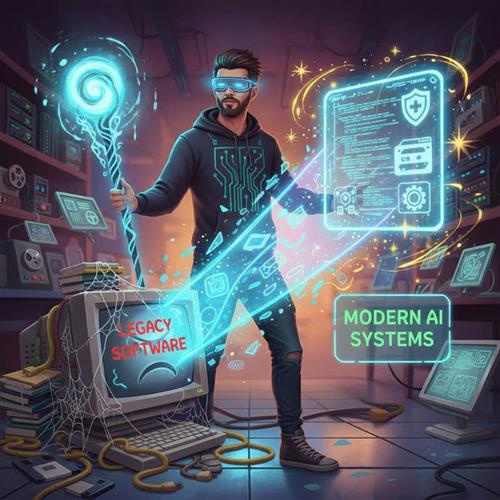
The leading approach today is Agnostic ERP Integration – a model of ERP integration that operates independently of any vendor.
The key strength of this model lies in its open architecture, API connectivity, and ERP scalability, allowing businesses to freely choose the most suitable software without being locked into traditional ERP vendors.
Strategic Benefits of Agnostic ERP Integration
1. Seamless Data Connectivity through ERP System Integration
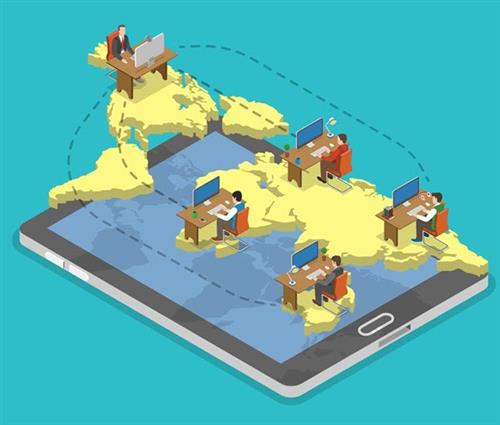
With ERP system integration, companies can connect warehouse management, sales, accounting, and CRM platforms on a unified system.
When an order is processed, inventory data updates instantly (real-time data ERP)—eliminating manual entry and reducing human errors.
2. Effortless Expansion – ERP Scalability for Fast-Growing Businesses
As your business grows, new applications can be added to the ERP ecosystem without changing the core system.
This flexibility is critical in fast-moving sectors like e-commerce, logistics, or health & wellness, where ERP scalability determines how quickly a business can adapt to market changes.
3. Operational Automation – ERP Automation Reduces Costs
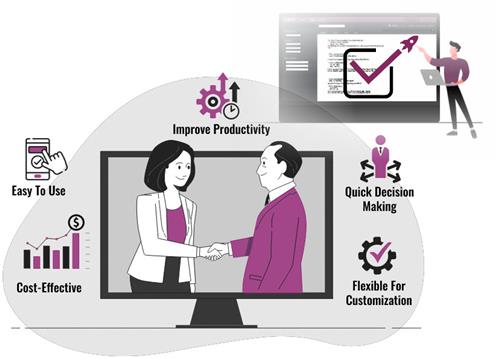
Through ERP automation, companies can automate data entry, reconciliation, and reporting tasks—saving time, minimizing human errors, and boosting overall efficiency.
→ The result: Lower costs, higher productivity, and greater customer satisfaction.
Case Studies: Successful Agnostic ERP Integration
1. Food Distributor in the UK: Integrated ERP with an eCommerce platform via middleware ERP, enabling real-time synchronization of inventory and orders → Reduced processing time by 40% and increased order accuracy.
2. Construction Materials Company: Connected ERP and CRM through ERP API integration, ensuring up-to-date customer data, improved service, and a 25% boost in revenue.
Challenges & Solutions in Implementation
| Challenges | Solutions |
|---|---|
| Inconsistent data across software systems | Use ERP middleware or API Gateway to standardize data before synchronization |
| Multiple ERP vendors with different architectures | Partner with an integration expert specialized in enterprise digital transformation |
| Data security in cloud ERP integration | Apply API security standards (OAuth2, HTTPS) and clear user access controls |
Future Trends in Agnostic ERP Integration
- AI & Machine Learning: Enable predictive analytics on ERP data to forecast demand, optimize inventory, and enhance decision accuracy.
- Cloud-first ERP (Cloud ERP): More companies are shifting toward cloud-based ERP systems for flexibility and anytime-anywhere access.
- No-code & Low-code Integration: Allow businesses to rapidly build ERP system integrations using intuitive drag-and-drop interfaces.
Best Practices for a Successful Implementation
- Plan Strategically: Define clear objectives—whether to improve performance, sync data, or reduce costs.
- Cross-department Collaboration: Involve not only IT but also sales, marketing, finance, and operations.
- Measure with Clear KPIs: Track metrics such as order processing time, data accuracy, operational cost, and customer response time.
Conclusion
Agnostic ERP Integration is more than a technical solution—it’s a strategic foundation for digital transformation.
By connecting all systems through APIs, automating workflows, and leveraging real-time ERP data, businesses can operate leaner, faster, and more scalable.
Whether you’re in food distribution, construction materials, or automotive parts, implementing cloud ERP and middleware ERP solutions will help maintain operational efficiency and create a sustainable competitive advantage in the digital economy.
 Explore more on these topics






















 Guest Blogging: The Definitive Guide

 Top Trending Topics
 Share This
 Link copied!
 Recently Updated News