


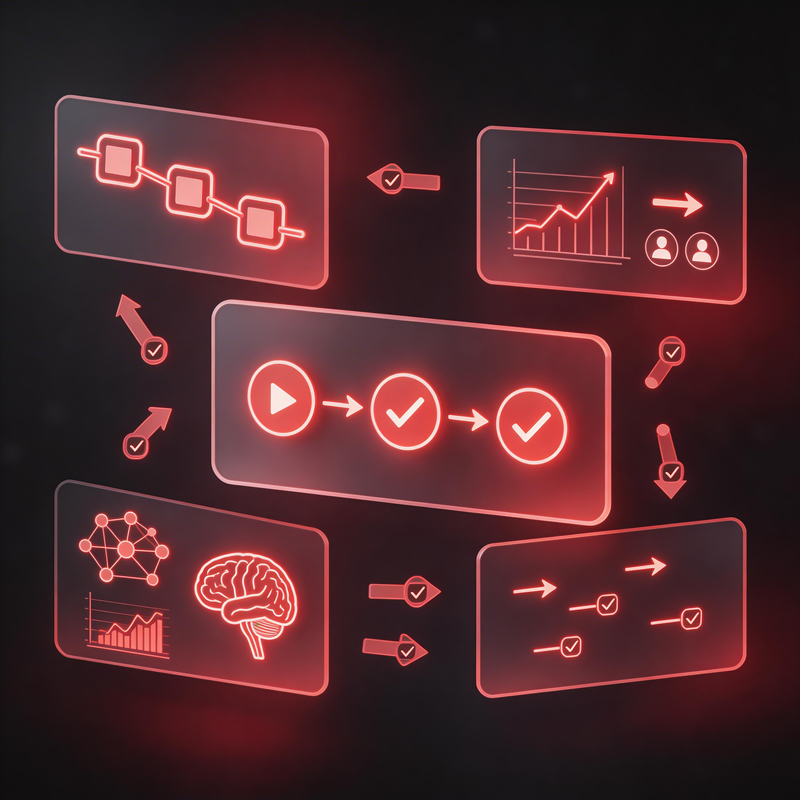

Best Practices for Managing Project Escalations
Last updated: June 23, 2024 Read in fullscreen view


 Recommended for you
- 01 Aug 2024
 The Standish Group report 83.9% of IT projects partially or completely fail 788/2605
 - 13 Apr 2024 Lessons on Teamwork and Leadership from Chinese story book "Journey to the West" 251/1337
- 02 Nov 2021 What is Terms of Reference (ToR)? 166/1743
- 18 Oct 2020 How to use the "Knowns" and "Unknowns" technique to manage assumptions 165/1259
- 30 Oct 2022 How Much Does MVP Development Cost in 2023? 154/414
- 09 Jan 2022 How to Bridge the Gap Between Business and IT? 148/351
- 19 Oct 2021 Software development life cycles 143/821
- 01 Sep 2022 Facts Chart: Why Do Software Projects Fail? 128/721
- 13 Oct 2021 Outsourcing Software Development: MVP, Proof of Concept (POC) and Prototyping. Which is better? 127/603
- 04 Oct 2021 Product Validation: The Key to Developing the Best Product Possible 127/435
- 23 Sep 2021 INFOGRAPHIC: Top 9 Software Outsourcing Mistakes 123/546
- 07 Oct 2025 Case Study: Using the “Messaging House” Framework to Build a Digital Transformation Roadmap 121/201
- 11 Jan 2024 What are the Benefits and Limitations of Augmented Intelligence? 119/605
- 18 Aug 2022 What are the consequences of poor requirements with software development projects? 118/386
- 13 Dec 2020 Move fast, fail fast, fail-safe 118/458
- 06 Feb 2021 Why fail fast and learn fast? 114/590
- 01 Oct 2020 Fail fast, learn faster with Agile methodology 113/1187
- 10 Apr 2021 RFP vs POC: Why the proof of concept is replacing the request for proposal 111/438
- 12 Oct 2022 14 Common Reasons Software Projects Fail (And How To Avoid Them) 110/675
- 12 Aug 2024 Understanding Google Analytics in Mumbai: A Beginner's Guide 108/215
- 02 May 2022 What Is RAID in Project Management? (With Pros and Cons) 105/948
- 01 Mar 2024 10 Project Management Myths 104/278
- 03 Apr 2022 Microsoft Solutions Framework (MSF) 103/1445
- 14 Mar 2024 Why should you opt for software localization from a professional agency? 102/241
- 28 Jul 2022 POC, Prototypes, Pilots and MVP: What Are the Differences? 102/843
- 12 Aug 2022 What is End-to-end project management? 102/608
- 07 Jul 2021 The 5 Levels of IT Help Desk Support 102/578
- 08 Nov 2022 4 tips for meeting tough deadlines when outsourcing projects to software vendor 97/387
- 31 Aug 2022 What are the best practices for software contract negotiations? 97/369
- 03 Dec 2025 IT Outsourcing Solutions Explained: What, How, Why, When 97/129
- 03 Jan 2023 Organizing your agile teams? Think about M.A.T (Mastery, Autonomy, Purpose) 96/493
- 16 Feb 2021 Choose Outsourcing for Your Non Disclosure Agreement (NDA) 95/265
- 12 Dec 2021 Zero Sum Games Agile vs. Waterfall Project Management Methods 95/509
- 14 Oct 2021 Advantages and Disadvantages of Time and Material Contract (T&M) 95/988
- 02 Nov 2022 Difference between Change Management and Project Management 92/324
- 05 Sep 2023 The Cold Start Problem: How to Start and Scale Network Effects 92/289
- 07 Aug 2022 Things to Consider When Choosing a Technology Partner 88/371
- 08 Oct 2022 KPI - The New Leadership 87/694
- 28 Dec 2021 8 types of pricing models in software development outsourcing 87/521
- 05 Mar 2021 How do you minimize risks when you outsource software development? 86/419
- 09 May 2022 Build one to throw away vs Second-system effect: What are differences? 86/397
- 01 Mar 2024 (AI) Artificial Intelligence Terms Every Beginner Should Know 85/419
- 10 Apr 2024 The Parking Lot Method: Unlocking a Simple Secret to Supercharge Your Productivity 84/604
- 01 Aug 2022 Is planning "set it and forget it" or "set it and check it"? 84/381
- 09 Feb 2023 The Challenge of Fixed-Bid Software Projects 83/332
- 22 May 2022 What are common mistakes that new or inexperienced managers make? 83/364
- 10 Nov 2022 Poor Code Indicators and How to Improve Your Code? 82/299
- 17 Oct 2021 Does Fast Tracking increase project cost? 80/456
- 18 Dec 2023 The Cone of Uncertainty in Scrum & Requirement Definition 80/814
- 06 Mar 2024 [SemRush] What Are LSI Keywords & Why They Don‘t Matter 80/282
- 10 Dec 2023 Pain points of User Acceptance Testing (UAT) 79/537
- 19 Oct 2021 Is gold plating good or bad in project management? 79/910
- 01 Dec 2023 Laws of Project Management 78/393
- 07 Dec 2023 12 project management myths to avoid 77/269
- 14 Jun 2022 Example and Excel template of a RACI chart in Software Development 76/949
- 07 Jul 2022 Managing Project Execution Terms 75/482
- 18 Oct 2021 Key Elements to Ramping Up a Large Team 75/1334
- 18 Jul 2021 How To Ramp Up An Offshore Software Development Team Quickly 75/667
- 17 Feb 2022 Prioritizing Software Requirements with Kano Analysis 75/379
- 18 Feb 2026 "Hit and Run" Project Management: Balancing Speed with Sustainability 74/100
- 03 Nov 2022 Top questions and answers you must know before ask for software outsourcing 73/358
- 19 Apr 2021 7 Most Common Time-Wasters For Software Development 72/617
- 04 Oct 2022 Which ERP implementation strategy is right for your business? 70/430
- 12 Mar 2024 How do you create FOMO in software prospects? 70/243
- 01 Mar 2023 Bug Prioritization - What are the 5 levels of priority? 69/298
- 01 May 2024 Warren Buffett’s Golden Rule for Digital Transformation: Avoiding Tech Overload 69/277
- 16 Apr 2021 Insightful Business Technology Consulting at TIGO 69/523
- 10 Jul 2025 Building AI-Driven Knowledge Graphs from Unstructured Data 68/230
- 27 Jan 2020 Should a project manager push developers to work more hours due to mistakes of manager schedule setting? 67/508
- 31 Oct 2021 Tips to Fail Fast With Outsourcing 66/457
- 15 May 2022 20 Common Mistakes Made by New or Inexperienced Project Managers 63/345
- 20 Nov 2022 Software Requirements Are A Communication Problem 63/305
- 02 Dec 2021 3 Ways to Avoid Scope Creep in IT Consulting 62/271
- 24 Nov 2023 The project management paradox: Achieving MORE by doing LESS 61/291
- 06 Mar 2021 4 things you need to do before getting an accurate quote for your software development 61/758
- 05 Jan 2024 Easy ASANA tips & tricks for you and your team 60/258
- 20 Jul 2022 Software Myths and Realities 60/1001
- 06 Jun 2022 Change Management at the Project Level 60/366
- 15 Aug 2025 Quantum Technology: Global Challenges and Opportunities for Innovators 60/191
- 05 Jun 2023 Fractional, Part-Time (virtual) or Interim CTO: Who Will Cover Your Business Needs? 60/203
- 01 May 2023 CTO Interview Questions 60/395
- 02 Jun 2024 Reviving Ancient Wisdom: The Spiritual Side of Project Management 59/317
- 07 Oct 2022 Digital Transformation: Become a Technology Powerhouse 59/306
- 26 Sep 2024 Successful Project Management Techniques You Need to Look Out For 58/455
- 28 Oct 2022 Build Operate Transfer (B.O.T) Model in Software Outsourcing 57/467
- 13 Jan 2020 Quiz: Test your understanding project cost management 55/701
- 10 May 2022 Levels of Teamwork 54/249
- 26 Dec 2023 Improving Meeting Effectiveness Through the Six Thinking Hats 53/329
- 08 Jan 2024 Ask Experts: Explicitation/Implicitation and Elicitation; two commonly used but barely unraveled concepts 53/434
- 30 Nov 2023 Project Managers, Focus on Outcomes — Not Deliverables 52/213
- 09 Mar 2022 Consultant Implementation Pricing 49/261
- 01 Mar 2023 How do you deal with disputes and conflicts that may arise during a software consulting project? 47/207
- 21 Jun 2024 Dead Horses and the Escalation of Commitment 47/185
- 06 Nov 2019 How to Access Software Project Size? 42/299
- 17 Mar 2025 IT Consultants in Digital Transformation 41/131
Throughout any given initiative, project managers must deal with issues that are sure to arise. Some are solvable within the project organization, with or without the project manager’s influence. Others however — especially those that could affect the outcome of a project — go beyond a project manager’s range of influence and authority.
Such major issues and risks can lead to escalations, which require special handling and management.
Various project management guidelines and specialized literature insufficiently cover the escalation management domain.
Escalation means trouble — so it’s a word very few people want to hear about. It also means that a higher authority will need to be called up to take action before it is too late.
When necessary, and if done in a timely and appropriate manner, escalation management can help a project manager solve issues outside of their authority or influence.
Read On: Dead Horses and the Escalation of Commitment
Here are some tips and tricks for project managers to better deal with escalations.
1. Be Prepared
From the project outset, define a clear escalation path and mechanism. For instance, establish an escalation committee (e.g., your sponsors or upper management board) and agree on escalating major issues when necessary and bypassing certain hierarchy levels in order to escalate faster.
Don’t overdo it! You should not escalate every encountered issue—only escalate major issues that have considerable impacts.
2. Assess and Qualify the Risk
Is it serious enough to escalate? Is there anything else you can do to avoid an escalation? Is it the right time to escalate?
Certainly, in order to be effective, the escalation should be raised in a timely manner. Therefore, neither should you exaggerate with going through an elaborated risk assessment, nor should you wait too long until raising the escalation (e.g., do not wait until the next reporting period is due).
3. Communicate the Escalation
After you’ve done everything you could have to prevent the escalation (you raised awareness, you communicated, you have pushed and pulled), it is time to escalate!
To escalate effectively and efficiently, first keep a calm and clear head. Then, follow these tips:
- Escalate via the channel that is most appropriate for your project context. Ideally, the escalation should be communicated in a face-to-face meeting or call. Emails can be the most ineffective escalation tools, because they can delay the resolution if the emails are not handled in a timely manner. Emails also can lead to misunderstandings if the context is not well understood. Additionally, they can lead to a deadlock if sent to multiple and unnecessary individuals or when it is unclear who the targeted person is for taking action. In short: Avoid escalations via email.
- Avoid getting personal and refrain from finger pointing. Focus on the issue at hand. This should be communicated and addressed objectively.
- Explain the major issue and its implications. Keep it short and simple, so that everyone requested to help you can understand.
- Explain what you did to avoid the issue and escalation. Again, keep it short. Otherwise, you will end up in endless apologies.
- If possible, make a proposal with two or three resolution options. Explain their potential effect on the issue at hand and ideally make a recommendation on which options to go for.
4. Follow Up
Generally, every escalation requires some resolution time for when the project manager and the project team will implement the decisions agreed upon by the escalation board.
You will need to regularly inform your escalation committee with status and progress updates until the risk and problem are completely resolved. And, after getting back on track, you should conduct a lessons-learned exercise with your project team to learn and grow from the encountered crisis situation.
Would you agree? How are you managing escalations in your projects?
 Explore more on these topics




























 Guest Blogging: The Definitive Guide

 Top Trending Topics
 Share This
 Link copied!
 Recently Updated News