





Compliance Cost: How to Reduce It Without Risking Non-Compliance
Last updated: December 27, 2025 Read in fullscreen view


 Recommended for you
- 30 Oct 2022
 How Much Does MVP Development Cost in 2023? 154/414
 - 09 Jan 2022 How to Bridge the Gap Between Business and IT? 148/351
- 19 Oct 2021 Software development life cycles 143/821
- 01 Sep 2022 Facts Chart: Why Do Software Projects Fail? 128/721
- 13 Oct 2021 Outsourcing Software Development: MVP, Proof of Concept (POC) and Prototyping. Which is better? 127/603
- 04 Oct 2021 Product Validation: The Key to Developing the Best Product Possible 127/435
- 07 Oct 2025 Case Study: Using the “Messaging House” Framework to Build a Digital Transformation Roadmap 121/201
- 10 Apr 2021 RFP vs POC: Why the proof of concept is replacing the request for proposal 111/438
- 12 Oct 2022 14 Common Reasons Software Projects Fail (And How To Avoid Them) 109/674
- 12 Aug 2024 Understanding Google Analytics in Mumbai: A Beginner's Guide 108/215
- 28 Jul 2022 POC, Prototypes, Pilots and MVP: What Are the Differences? 102/843
- 07 Jul 2021 The 5 Levels of IT Help Desk Support 102/578
- 31 Aug 2022 What are the best practices for software contract negotiations? 97/369
- 08 Nov 2022 4 tips for meeting tough deadlines when outsourcing projects to software vendor 97/387
- 03 Dec 2025 IT Outsourcing Solutions Explained: What, How, Why, When 97/129
- 16 Feb 2021 Choose Outsourcing for Your Non Disclosure Agreement (NDA) 95/265
- 12 Dec 2021 Zero Sum Games Agile vs. Waterfall Project Management Methods 95/509
- 05 Sep 2023 The Cold Start Problem: How to Start and Scale Network Effects 92/289
- 07 Aug 2022 Things to Consider When Choosing a Technology Partner 88/371
- 05 Mar 2021 How do you minimize risks when you outsource software development? 86/419
- 01 Mar 2024 (AI) Artificial Intelligence Terms Every Beginner Should Know 85/419
- 09 Feb 2023 The Challenge of Fixed-Bid Software Projects 83/332
- 06 Mar 2024 [SemRush] What Are LSI Keywords & Why They Don‘t Matter 80/282
- 01 Dec 2023 Laws of Project Management 78/393
- 18 Jul 2021 How To Ramp Up An Offshore Software Development Team Quickly 75/667
- 03 Nov 2022 Top questions and answers you must know before ask for software outsourcing 73/358
- 04 Oct 2022 Which ERP implementation strategy is right for your business? 70/430
- 01 May 2024 Warren Buffett’s Golden Rule for Digital Transformation: Avoiding Tech Overload 69/277
- 16 Apr 2021 Insightful Business Technology Consulting at TIGO 69/523
- 10 Jul 2025 Building AI-Driven Knowledge Graphs from Unstructured Data 68/230
- 20 Nov 2022 Software Requirements Are A Communication Problem 63/305
- 06 Mar 2021 4 things you need to do before getting an accurate quote for your software development 61/758
- 01 May 2023 CTO Interview Questions 60/395
- 07 Oct 2022 Digital Transformation: Become a Technology Powerhouse 59/306
- 28 Oct 2022 Build Operate Transfer (B.O.T) Model in Software Outsourcing 57/467
- 08 Jan 2024 Ask Experts: Explicitation/Implicitation and Elicitation; two commonly used but barely unraveled concepts 53/434
- 09 Mar 2022 Consultant Implementation Pricing 49/261
- 01 Mar 2023 How do you deal with disputes and conflicts that may arise during a software consulting project? 47/207
- 17 Mar 2025 IT Consultants in Digital Transformation 41/131
Many organizations still see compliance as a checkbox.
In reality, compliance cost is a long-term operational investment-and managing it well is a core capability of modern businesses, especially in regulated environments.
From compliance for SaaS companies serving enterprise clients to healthcare and financial institutions, the ability to meet standards like GDPR, HIPAA, and SOC 2 directly affects revenue, trust, and scalability.
The real challenge is not compliance itself-but achieving compliance cost reduction without increasing risk.
What Makes Up Compliance Cost?
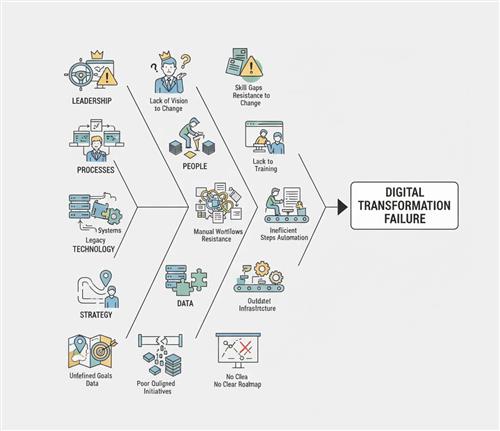
Compliance costs go far beyond audits and legal reviews. They include systems, processes, people, and-often overlooked-data.
- External audits and certifications (e.g. SOC 2 audit cost, ISO 27001)
- Legal and consulting fees for regulations such as GDPR and CCPA
- Security and compliance software
- Employee training and documentation
- Operational slowdowns and vendor due diligence
Many organizations underestimate the hidden compliance costs caused by inefficient workflows and fragmented data environments.
The Cost of Non-Compliance Is Always Higher
While compliance spending can feel heavy, the cost of non compliance is almost always worse.
- GDPR compliance cost failures can result in fines of up to €20 million or 4% of global revenue
- HIPAA violations can reach $1.5 million per year per category
- Failed audits can block enterprise deals and delay go-to-market
Beyond fines, non-compliance leads to reputation loss, lawsuits, prolonged audits, and increased regulatory scrutiny-often multiplying future compliance expenses.
Why Data Compliance Management Is the Real Cost Driver
Strong data compliance management is the foundation of every regulation.
Most frameworks require you to know:
- What data you collect
- Where it is stored
- Who can access it
- How long it is retained
Poor data hygiene quietly inflates compliance costs. Disorganized data increases breach risk, slows audits, and raises storage and eDiscovery expenses-especially for SaaS businesses preparing for SOC 2.
How to Reduce Compliance Cost Without Added Risk
Compliance costs are not fixed. The following compliance cost strategies focus on systems and data, not shortcuts.
1. Centralize data archiving
One searchable archive reduces audit prep time, improves defensibility, and simplifies investigations.
2. Automate data retention compliance
Automated data retention compliance policies prevent over-retention and accidental deletion while cutting storage costs.
3. Use AI and metadata tagging
AI-assisted review identifies PII, sensitive data, and duplicates-significantly reducing manual review effort.
4. Run routine audits and data mapping
Proactive reviews are far cheaper than emergency cleanups after a failed audit or breach.
5. Eliminate ROT data (Redundant, Obsolete, Trivial)
Removing low-value data lowers legal exposure and reduces compliance scope.
6. Invest in purpose-built compliance tools
Dedicated compliance platforms outperform generic storage when it comes to audit trails, legal holds, and reporting.
7. Train teams continuously
Well-trained staff reduce incidents, improve audit readiness, and help reduce compliance cost over time.
Final Takeaway
Compliance is not just a legal obligation-it’s a strategic capability.
Organizations that manage data well, automate retention, and invest in the right tools consistently achieve lower risk and sustainable compliance cost reduction. In contrast, those that ignore data fundamentals often pay the price through audits, fines, and lost trust.
In the long run, the smartest way to control compliance cost is simple:
 Explore more on these topics
























 Guest Blogging: The Definitive Guide

 Top Trending Topics
 Share This
 Link copied!
 Recently Updated News