


IT Outsourcing Negotiation Knowledge Test
Published on: July 17, 2025
Last updated: October 17, 2025 Read in fullscreen view
Last updated: October 17, 2025 Read in fullscreen view

 Recommended for you
- 18 Oct 2020
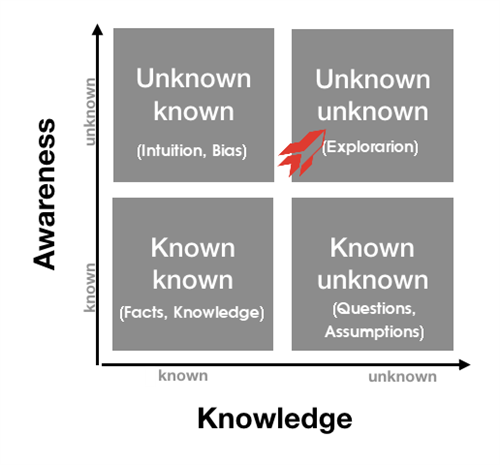
 How to use the "Knowns" and "Unknowns" technique to manage assumptions 163/1257
 - 05 Mar 2026 Top 7 Full-Cycle Web App Development Companies for Your Business in 2026 161/211
- 17 Mar 2026 How Much Does it Cost to Build an AI Agent in 2026 157/226
- 08 Oct 2024 Vietnam: The Rising Star in Global Outsourcing – Trends and Costs for 2025 152/514
- 07 Jul 2024 Top Fintech Companies in Vietnam Driving Innovation Across Digital Banking & Investment 140/273
- 11 Mar 2026 OEM, ODM, and OBM in Software Development: Choosing the Right Growth Path 135/161
- 12 May 2021 The Real Cost Between Outsourcing IT vs In-House: A Quick Comparison 132/578
- 17 Mar 2026 Top 10 Product Development Companies in Chennai 2026 (Updated) 130/147
- 02 Feb 2026 What Is the Total Cost of Web Development for Small & Medium Businesses? 126/159
- 10 Mar 2021 The 7 Biggest Mistakes to Avoid Before Outsourcing a Web Development Project 124/357
- 16 Oct 2024 Building a Software Outsourcing Startup: Strategy Through Two Canvases 123/163
- 16 Feb 2026 Education App Development Cost in 2026: Benchmarks and Key Cost Drivers 123/181
- 11 Mar 2024 Why You Should Hire Odoo Developers from Vietnam to Customize Your ERP System 120/226
- 11 Jan 2024 What are the Benefits and Limitations of Augmented Intelligence? 119/605
- 06 Feb 2026 How Much Does a CPA Cost for a Small Business? 118/141
- 01 Jan 2023 Top Software Development Challenges in 2023 117/436
- 13 Dec 2020 Move fast, fail fast, fail-safe 117/456
- 18 Aug 2022 What are the consequences of poor requirements with software development projects? 116/384
- 05 Jan 2022 What Outsourcing Engagement Model is Right For You? 116/428
- 21 Aug 2025 Top 30 Oldest IT Outsourcing Companies in Vietnam 116/220
- 06 Feb 2021 Why fail fast and learn fast? 113/588
- 01 Oct 2020 Fail fast, learn faster with Agile methodology 112/1186
- 10 Jan 2024 Facts Chart: Reasons for outsourcing 112/266
- 05 Aug 2025 Why Doesn’t South Korea Outsource Its IT Projects Like Other Developed Countries? 111/216
- 19 Oct 2020 The hidden costs of outsourcing software development 107/575
- 01 Mar 2022 Top 5 reasons why outsourcing to Vietnam is a smart move 106/391
- 21 Oct 2021 Advantages and Disadvantages of IT Outsourcing 102/458
- 01 Jan 2023 4 New IT Outsourcing Pricing Models to consider in 2023 101/475
- 09 Sep 2022 Close Collaboration and Communication Can Overcome the Challenges of Distributed Teams 100/307
- 14 Mar 2024 Why should you opt for software localization from a professional agency? 100/239
- 24 Nov 2025 Top Blockchain Companies in Vietnam 99/144
- 23 Sep 2021 INFOGRAPHIC: Top 9 Software Outsourcing Mistakes 98/521
- 10 May 2021 What are things you should look for in a good IT outsourcing company? 98/543
- 31 Oct 2025 The True ROI of Software Development Outsourcing for Tech Startups 97/176
- 03 Dec 2025 IT Outsourcing Solutions Explained: What, How, Why, When 96/128
- 24 Nov 2021 What is the Actual Cost of Hiring Cheap Developers? 96/492
- 14 Oct 2021 Advantages and Disadvantages of Time and Material Contract (T&M) 92/985
- 01 Sep 2019 Outsourcing Software To Vietnam: Facts, benefits and limitations 92/553
- 01 Jan 2023 Software Development Outsourcing Trends to Watch Out for in 2023 92/415
- 01 Jan 2024 What The World Is Flat Means to IT Outsourcing 89/257
- 01 Apr 2021 IT Outsourcing to vietnam: Why It Is A Good Choice? 88/385
- 15 Aug 2021 TIGO Rate Formula - Things the partners should know 88/617
- 01 Jan 2023 Top 5 IT outsourcing countries in 2023 87/362
- 13 Jan 2023 What are the Hourly Rates in Offshore Software Development? 86/327
- 28 Dec 2021 8 types of pricing models in software development outsourcing 86/520
- 08 Oct 2022 KPI - The New Leadership 85/692
- 13 Oct 2021 Why Outsourcing Software Development Services Is Gaining Traction With Non-Technical Leaders? 84/398
- 15 Oct 2022 Project-based team model for one-off and pilot software development projects 84/910
- 16 Dec 2021 Why outsource Python development of your project? 84/582
- 12 Jan 2023 Top 10 Trustworthy IT Outsourcing Companies in Vietnam 84/366
- 14 Dec 2021 The Top 10 Problems with Outsourcing Implementation and How to Solve Them 80/476
- 03 Oct 2020 Outsourcing Your MVP Development - Streamlined Solutions for future 80/506
- 17 Jan 2024 What are the benefits and challenges of using multi-sourcing or single-sourcing strategies? 80/282
- 19 Mar 2021 Selective Outsourcing of IT Functions - a new trend in business outsourcing 79/639
- 10 Nov 2022 Poor Code Indicators and How to Improve Your Code? 79/296
- 19 Oct 2021 Is gold plating good or bad in project management? 78/909
- 03 Jan 2023 IT Outsourcing Costs: Is outsourcing really cost-effective? 77/286
- 02 Nov 2023 What are the pros and cons of iIT outsourcing? 77/290
- 10 Dec 2023 Pain points of User Acceptance Testing (UAT) 77/535
- 17 Feb 2022 Prioritizing Software Requirements with Kano Analysis 75/379
- 04 Apr 2024 Unlock Vietnamese-Japanese outsourcing potential 73/307
- 01 Jun 2025 10 Sustainable & Unique IT Outsourcing Companies in Vietnam 72/154
- 03 Nov 2022 Top questions and answers you must know before ask for software outsourcing 72/357
- 19 Apr 2021 7 Most Common Time-Wasters For Software Development 72/617
- 03 Nov 2021 7 phases of Odoo Implementation and Development: Can they be outsourced? 72/495
- 04 Jan 2021 VIETNAM AS A BIG ATTRACTIVE DESTINATION IN THE FIELD OF OUTSOURCING 71/395
- 06 Oct 2021 Intellectual property issues with outsourcing software development 70/455
- 21 Aug 2022 Forbes: IT Outsourcing Hotspot: Vietnam, A Small But Mighty Powerhouse 69/324
- 12 Oct 2021 Vietnam outsourcing path - the silk road connecting ASEAN with the developed countries (EU, US, Japan...) 69/410
- 02 May 2021 Outsourcing Software Development: Avoid 8 Mistakes 69/206
- 09 Jan 2021 How can outsourcing enable business agility? 68/258
- 01 Mar 2023 Bug Prioritization - What are the 5 levels of priority? 68/297
- 12 Mar 2024 How do you create FOMO in software prospects? 67/240
- 22 Mar 2022 8 Mistakes Marketing Agencies or Consulting Firms Make When Outsourcing Web Development 67/412
- 10 May 2021 Project Audit and Second Opinion Services 67/312
- 28 Oct 2022 Expect the unexpected in 2023 - How Outsourcing Can Help? 67/271
- 01 Jan 2024 Hiring Tech Talents in Asia: An Overview of Skills, Costs, and Potential 66/225
- 17 Oct 2020 How Outsourcing can Improve Time Management for Better Business 65/361
- 31 Oct 2021 Tips to Fail Fast With Outsourcing 65/456
- 15 Nov 2023 IT Staff Augmentation Types and the Best Choice for Your Business 65/275
- 01 Oct 2022 Vietnam is a favorite supply of IT outsourcing services to Japan 62/298
- 02 Mar 2021 Estimate the Cost of Software Development 62/425
- 01 May 2023 Streamline Your Business with Outsourcing 61/265
- 11 Mar 2023 Common Pain Points in Software Development Outsourcing 61/325
- 01 Jan 2024 Tech Partnerships: Choosing the Right Software Outsourcing Firm in Vietnam 61/233
- 01 Jan 2024 12 reasons for software development outsourcing 61/260
- 05 Jan 2024 Easy ASANA tips & tricks for you and your team 60/258
- 07 Nov 2024 Outsourcing Crisis Looming: Will Trump's Policies Transform the Global IT Landscape? 59/242
- 08 Aug 2021 Why Nearshore Software Development is better than In-House Development? 58/253
- 01 Jan 2024 Software Outsourcing Questions for 2024 57/206
- 25 Sep 2025 A Practical Guide to Secure Online Work for Outsourced Teams 55/149
- 01 Jan 2023 Why is Vietnam the Top IT Outsourcing Destination of 2023? 54/294
- 26 Dec 2023 Improving Meeting Effectiveness Through the Six Thinking Hats 53/329
- 08 Feb 2022 Software Development: Fixed Cost or Opportunity Cost? 52/513
- 16 Mar 2021 Outsource Data Engineering Services - TIGO Streamlined Solutions 51/307
- 31 Dec 2021 Outsourcing Software Development to mitigate the impact of COVID-19 50/373
- 01 Feb 2023 [InfoWorld] Is your outsourcer agile enough? 49/242
- 08 Jan 2024 Outsourcing on an As-Needed Basis 47/212
- 21 Oct 2022 Outsourcing Billable Rate 46/315
- 25 Nov 2021 Low-Cost Software Development: Buy Nice or Buy Twice? 43/404
- 06 Nov 2019 How to Access Software Project Size? 39/296
- 03 Jun 2026 Enterprise Guide to Choosing the Right Enterprise Application Development Services 32/35
IT Outsourcing Negotiation Sample Questions
Basic |
|
| What is the primary goal of negotiation in IT outsourcing? | To reach a mutually beneficial agreement that balances cost, quality, risk, and long-term partnership value. |
| What are the main stages of a negotiation process? | Preparation, Discussion, Proposal, Bargaining, Agreement, and Post-negotiation Review. |
| What is BATNA and why is it important? | BATNA (Best Alternative to a Negotiated Agreement) is the best backup option if talks fail; knowing it strengthens your negotiation power. |
| How does cultural difference affect IT outsourcing negotiation? | Different communication styles, hierarchy, and decision-making pace can impact trust, tone, and timing of negotiation. |
| What are common pricing models in IT outsourcing contracts? | Time & Material, Fixed Price, and Hybrid models; each affects flexibility and risk-sharing differently. |
| Why is defining SLAs (Service Level Agreements) crucial? | SLAs set measurable service standards and penalties, preventing ambiguity and ensuring accountability. |
| What is a “win-win” negotiation strategy? | A cooperative approach aiming for mutual value creation, long-term collaboration, and trust-building. |
| What role does communication transparency play during negotiation? | It builds credibility, reduces misunderstanding, and fosters a sustainable vendor-client relationship. |
| How should you handle the first price offer? | Never accept immediately; anchor discussions with data, benchmarks, and alternative scenarios. |
| What is the difference between hard bargaining and principled negotiation? | Hard bargaining focuses on winning; principled negotiation focuses on interests, fairness, and objective criteria. |
Advanced |
|
| A vendor insists on a price increase citing “rising costs.” How do you respond? | Request transparent cost breakdowns, compare market rates, and propose shared risk adjustments or performance-based payments. |
| The client pushes for aggressive delivery timelines. How would you negotiate feasibility? | Present realistic estimates, highlight quality and risk trade-offs, and suggest phased delivery or scope adjustment. |
| During negotiation, one party dominates the discussion. How would you regain balance? | Use active listening, summarize their points, then reframe the conversation to focus on shared objectives and data-backed reasoning. |
| A project’s scope is unclear but pricing is required. What negotiation strategy should you use? | Propose a discovery phase contract or T&M model first, then finalize scope and switch to a fixed-price agreement later. |
| How can negotiation analytics tools improve outcomes in IT outsourcing? | They analyze historical deal data, pricing trends, and risk factors to support data-driven negotiation decisions. |
| You are negotiating renewal with a long-term vendor who has become complacent. What’s your move? | Introduce competitive benchmarking, set performance KPIs, and use the leverage of alternative providers to motivate improvement. |
| The client demands full IP ownership for developed software. How do you handle this? | Clarify IP transfer conditions, separate reusable frameworks from client-specific code, and adjust pricing accordingly. |
| How do you negotiate confidentiality and data protection in outsourcing? | Include NDAs, GDPR or local compliance clauses, data access control, and audit rights in the contract. |
| In a cross-border outsourcing deal, legal systems differ. What is your strategy? | Choose a neutral governing law, include dispute resolution clauses (e.g., arbitration), and consult international legal experts. |
| How do you manage emotional tension during high-stake IT outsourcing negotiations? | Stay objective, take breaks when needed, focus on facts and goals, and use empathy to de-escalate conflicts. |
Key Negotiation Terms in IT Outsourcing
| Term | Explanation | Real-World Example |
|---|---|---|
| BATNA (Best Alternative to a Negotiated Agreement) | The best option you can pursue if negotiations fail; it defines your minimum acceptable outcome. | If Vendor A won’t reduce the price, the client can switch to Vendor B offering 10% less. |
| SLA (Service Level Agreement) | A contract that defines measurable service standards such as uptime, response time, and performance. | The IT contract requires 99.9% uptime and incident response within 2 hours. |
| Fixed Price Model | A pricing model with a predefined cost for a clearly scoped project. | A 3-month app development project for $30,000, with no price change unless scope changes. |
| Time & Material Model | The client pays for the actual hours worked and materials used; suitable for flexible or evolving scopes. | The company pays $50/hour for developers during prototype testing. |
| Hybrid Pricing Model | Combines fixed price and T&M models to balance flexibility and risk. | The system core is fixed-price, while feature add-ons are billed per hour. |
| Win-Win Negotiation | A cooperative approach aiming for mutual benefits and long-term relationships instead of one-sided wins. | The client gets reasonable costs while the vendor keeps profit and trust. |
| Scope Creep | Uncontrolled expansion of project scope without corresponding changes in cost or timeline. | After signing, the client adds five new features without adjusting the budget. |
| Change Request | A formal proposal to modify scope, budget, or schedule; must be reviewed and approved. | The client requests an extra reporting module, requiring two more weeks of work. |
| Negotiation Leverage | The advantage one party has that strengthens their position, often based on data, expertise, or alternatives. | The vendor demonstrates rare technical expertise, reducing the client’s bargaining power. |
| Cultural Sensitivity | Awareness and respect for cultural differences in cross-border negotiations. | The US team prefers fast decisions, while the Indian team values consensus before replying. |
| Anchoring | A strategy of presenting the first number to set a reference point for negotiation. | The vendor starts with $50,000 to anchor expectations, even if the final deal is lower. |
| Negotiation Analytics | The use of data and software tools to support decision-making in negotiations. | AI tools analyze pricing benchmarks from similar outsourcing contracts. |
| Risk-Sharing Contract | A contract that distributes project risks between both parties, common in long-term or uncertain projects. | Both sides agree to split 50/50 the costs of major technology changes. |
| Non-Disclosure Agreement (NDA) | A confidentiality agreement preventing either party from disclosing sensitive information. | Before sharing source code, both parties sign an NDA to protect IP rights. |
| Governing Law Clause | A clause specifying which country’s legal system applies in case of disputes. | A contract between US and Vietnam companies uses Singapore law as the governing framework. |
[{"displaySettingInfo":"[{\"isFullLayout\":false,\"layoutWidthRatio\":\"\",\"showBlogMetadata\":true,\"showAds\":true,\"showQuickNoticeBar\":true,\"includeSuggestedAndRelatedBlogs\":true,\"enableLazyLoad\":true,\"quoteStyle\":\"1\",\"bigHeadingFontStyle\":\"1\",\"postPictureFrameStyle\":\"1\",\"isFaqLayout\":false,\"isIncludedCaption\":false,\"faqLayoutTheme\":\"1\",\"isSliderLayout\":false}]"},{"articleSourceInfo":"[{\"sourceName\":\"\",\"sourceValue\":\"\"}]"},{"privacyInfo":"[{\"isOutsideVietnam\":false}]"},{"tocInfo":"[{\"isEnabledTOC\":false,\"isAutoNumbering\":false,\"isShowKeyHeadingWithIcon\":false}]"},{"termSettingInfo":"[{\"showTermsOnPage\":true,\"displaySequentialTermNumber\":true}]"}]
Via
{content}
 Explore more on these topics

























 Guest Blogging: The Definitive Guide

 Top Trending Topics
 Share This
 Link copied!
 Recently Updated News