




IT Staff Augmentation Types and the Best Choice for Your Business
Last updated: January 29, 2024 Read in fullscreen view


 Recommended for you
- 17 Mar 2026
 How Much Does it Cost to Build an AI Agent in 2026 174/245
 - 05 Mar 2026 Top 7 Full-Cycle Web App Development Companies for Your Business in 2026 172/224
- 11 Mar 2026 OEM, ODM, and OBM in Software Development: Choosing the Right Growth Path 171/199
- 18 Oct 2020 How to use the "Knowns" and "Unknowns" technique to manage assumptions 170/1266
- 08 Oct 2024 Vietnam: The Rising Star in Global Outsourcing – Trends and Costs for 2025 162/526
- 07 Jul 2024 Top Fintech Companies in Vietnam Driving Innovation Across Digital Banking & Investment 153/291
- 05 Aug 2025 Why Doesn’t South Korea Outsource Its IT Projects Like Other Developed Countries? 149/260
- 19 Oct 2021 Software development life cycles 148/828
- 01 Nov 2023 Difference between Vendor and Subcontractor 145/1219
- 16 Oct 2024 Building a Software Outsourcing Startup: Strategy Through Two Canvases 141/182
- 12 May 2021 The Real Cost Between Outsourcing IT vs In-House: A Quick Comparison 141/587
- 02 Jan 2024 What is User Provisioning & Deprovisioning? 139/736
- 02 Feb 2026 What Is the Total Cost of Web Development for Small & Medium Businesses? 138/171
- 23 Sep 2021 INFOGRAPHIC: Top 9 Software Outsourcing Mistakes 138/561
- 04 Oct 2021 Product Validation: The Key to Developing the Best Product Possible 136/444
- 16 Feb 2026 Education App Development Cost in 2026: Benchmarks and Key Cost Drivers 136/197
- 17 Mar 2026 Top 10 Product Development Companies in Chennai 2026 (Updated) 135/152
- 13 Oct 2021 Outsourcing Software Development: MVP, Proof of Concept (POC) and Prototyping. Which is better? 133/614
- 21 Aug 2025 Top 30 Oldest IT Outsourcing Companies in Vietnam 131/237
- 18 Aug 2022 What are the consequences of poor requirements with software development projects? 129/397
- 10 Mar 2021 The 7 Biggest Mistakes to Avoid Before Outsourcing a Web Development Project 128/362
- 06 Feb 2026 How Much Does a CPA Cost for a Small Business? 128/151
- 07 Oct 2025 Case Study: Using the “Messaging House” Framework to Build a Digital Transformation Roadmap 128/208
- 11 Mar 2024 Why You Should Hire Odoo Developers from Vietnam to Customize Your ERP System 123/229
- 01 Oct 2020 Fail fast, learn faster with Agile methodology 123/1197
- 28 Jul 2022 POC, Prototypes, Pilots and MVP: What Are the Differences? 122/866
- 05 Jan 2022 What Outsourcing Engagement Model is Right For You? 121/433
- 11 Jan 2024 What are the Benefits and Limitations of Augmented Intelligence? 121/608
- 13 Dec 2020 Move fast, fail fast, fail-safe 120/464
- 01 Jan 2023 Top Software Development Challenges in 2023 119/438
- 06 Feb 2021 Why fail fast and learn fast? 118/597
- 19 Oct 2020 The hidden costs of outsourcing software development 117/585
- 12 Oct 2022 14 Common Reasons Software Projects Fail (And How To Avoid Them) 116/682
- 10 Jan 2024 Facts Chart: Reasons for outsourcing 115/270
- 01 Jan 2024 What The World Is Flat Means to IT Outsourcing 114/282
- 12 Aug 2024 Understanding Google Analytics in Mumbai: A Beginner's Guide 112/219
- 31 Oct 2025 The True ROI of Software Development Outsourcing for Tech Startups 109/191
- 01 Mar 2022 Top 5 reasons why outsourcing to Vietnam is a smart move 108/393
- 09 Sep 2022 Close Collaboration and Communication Can Overcome the Challenges of Distributed Teams 107/315
- 01 Jan 2023 4 New IT Outsourcing Pricing Models to consider in 2023 106/482
- 21 Oct 2021 Advantages and Disadvantages of IT Outsourcing 106/463
- 10 May 2021 What are things you should look for in a good IT outsourcing company? 105/553
- 24 Nov 2025 Top Blockchain Companies in Vietnam 105/150
- 01 Sep 2019 Outsourcing Software To Vietnam: Facts, benefits and limitations 104/565
- 03 Dec 2025 IT Outsourcing Solutions Explained: What, How, Why, When 103/135
- 14 Mar 2024 Why should you opt for software localization from a professional agency? 102/241
- 14 Oct 2021 Advantages and Disadvantages of Time and Material Contract (T&M) 101/1000
- 24 Nov 2021 What is the Actual Cost of Hiring Cheap Developers? 100/496
- 28 Dec 2021 8 types of pricing models in software development outsourcing 99/533
- 01 Jan 2023 Top 5 IT outsourcing countries in 2023 98/373
- 12 Dec 2021 Zero Sum Games Agile vs. Waterfall Project Management Methods 98/512
- 31 Aug 2022 What are the best practices for software contract negotiations? 97/371
- 01 Apr 2021 IT Outsourcing to vietnam: Why It Is A Good Choice? 97/395
- 01 Jan 2023 Software Development Outsourcing Trends to Watch Out for in 2023 97/420
- 05 Sep 2023 The Cold Start Problem: How to Start and Scale Network Effects 97/295
- 15 Aug 2021 TIGO Rate Formula - Things the partners should know 95/630
- 05 Mar 2021 How do you minimize risks when you outsource software development? 95/428
- 19 Oct 2021 Is gold plating good or bad in project management? 91/924
- 17 Feb 2022 Prioritizing Software Requirements with Kano Analysis 91/397
- 12 Jan 2023 Top 10 Trustworthy IT Outsourcing Companies in Vietnam 91/373
- 06 Feb 2024 What are benefits and drawbacks of co-creating solutions with your clients? 90/312
- 06 Mar 2024 [SemRush] What Are LSI Keywords & Why They Don‘t Matter 89/293
- 19 Mar 2021 Selective Outsourcing of IT Functions - a new trend in business outsourcing 89/653
- 08 Oct 2022 KPI - The New Leadership 89/698
- 15 Oct 2022 Project-based team model for one-off and pilot software development projects 88/923
- 13 Jan 2023 What are the Hourly Rates in Offshore Software Development? 88/330
- 16 Dec 2021 Why outsource Python development of your project? 88/586
- 17 Jan 2024 What are the benefits and challenges of using multi-sourcing or single-sourcing strategies? 88/290
- 10 Nov 2022 Poor Code Indicators and How to Improve Your Code? 86/303
- 14 Dec 2021 The Top 10 Problems with Outsourcing Implementation and How to Solve Them 86/482
- 13 Oct 2021 Why Outsourcing Software Development Services Is Gaining Traction With Non-Technical Leaders? 86/402
- 03 Oct 2020 Outsourcing Your MVP Development - Streamlined Solutions for future 83/509
- 10 Dec 2023 Pain points of User Acceptance Testing (UAT) 83/544
- 03 Jan 2023 IT Outsourcing Costs: Is outsourcing really cost-effective? 82/292
- 02 Nov 2023 What are the pros and cons of iIT outsourcing? 81/294
- 22 Mar 2022 8 Mistakes Marketing Agencies or Consulting Firms Make When Outsourcing Web Development 81/426
- 01 Dec 2023 Laws of Project Management 81/396
- 04 Apr 2024 Unlock Vietnamese-Japanese outsourcing potential 81/315
- 12 Mar 2024 How do you create FOMO in software prospects? 81/255
- 01 Jun 2025 10 Sustainable & Unique IT Outsourcing Companies in Vietnam 80/164
- 04 Jan 2021 VIETNAM AS A BIG ATTRACTIVE DESTINATION IN THE FIELD OF OUTSOURCING 80/405
- 28 Oct 2022 Expect the unexpected in 2023 - How Outsourcing Can Help? 80/284
- 18 Jul 2021 How To Ramp Up An Offshore Software Development Team Quickly 77/669
- 17 Oct 2020 How Outsourcing can Improve Time Management for Better Business 76/375
- 03 Nov 2021 7 phases of Odoo Implementation and Development: Can they be outsourced? 76/500
- 01 Mar 2023 Bug Prioritization - What are the 5 levels of priority? 75/304
- 12 Oct 2021 Vietnam outsourcing path - the silk road connecting ASEAN with the developed countries (EU, US, Japan...) 75/416
- 02 May 2021 Outsourcing Software Development: Avoid 8 Mistakes 75/213
- 21 Aug 2022 Forbes: IT Outsourcing Hotspot: Vietnam, A Small But Mighty Powerhouse 75/330
- 04 Oct 2022 Which ERP implementation strategy is right for your business? 74/435
- 03 Nov 2022 Top questions and answers you must know before ask for software outsourcing 74/359
- 19 Apr 2021 7 Most Common Time-Wasters For Software Development 73/618
- 06 Oct 2021 Intellectual property issues with outsourcing software development 73/458
- 09 Jan 2021 How can outsourcing enable business agility? 72/262
- 01 Jan 2024 Hiring Tech Talents in Asia: An Overview of Skills, Costs, and Potential 72/232
- 01 May 2024 Warren Buffett’s Golden Rule for Digital Transformation: Avoiding Tech Overload 70/278
- 10 May 2021 Project Audit and Second Opinion Services 70/317
- 31 Oct 2021 Tips to Fail Fast With Outsourcing 70/461
- 30 Dec 2022 Top 6 Reasons to Partner with TIGOSOFT 67/313
- 01 Oct 2022 Vietnam is a favorite supply of IT outsourcing services to Japan 66/302
- 01 Jan 2024 Tech Partnerships: Choosing the Right Software Outsourcing Firm in Vietnam 65/238
- 01 Jan 2024 12 reasons for software development outsourcing 65/276
- 01 Jan 2024 Software Outsourcing Questions for 2024 64/213
- 05 Jan 2024 Easy ASANA tips & tricks for you and your team 64/263
- 25 Sep 2025 A Practical Guide to Secure Online Work for Outsourced Teams 64/160
- 28 Oct 2022 Build Operate Transfer (B.O.T) Model in Software Outsourcing 64/474
- 11 Mar 2023 Common Pain Points in Software Development Outsourcing 63/328
- 02 Mar 2021 Estimate the Cost of Software Development 63/427
- 01 May 2023 Streamline Your Business with Outsourcing 63/268
- 01 Jan 2023 Why is Vietnam the Top IT Outsourcing Destination of 2023? 60/302
- 08 Feb 2022 Software Development: Fixed Cost or Opportunity Cost? 59/520
- 08 Aug 2021 Why Nearshore Software Development is better than In-House Development? 59/255
- 07 Nov 2024 Outsourcing Crisis Looming: Will Trump's Policies Transform the Global IT Landscape? 59/242
- 26 Dec 2023 Improving Meeting Effectiveness Through the Six Thinking Hats 55/331
- 11 Jan 2024 Entering the Japanese Market: Stacking the Deck and Setting Expectations 54/206
- 08 Jan 2024 Outsourcing on an As-Needed Basis 53/223
- 31 Dec 2021 Outsourcing Software Development to mitigate the impact of COVID-19 52/376
- 16 Mar 2021 Outsource Data Engineering Services - TIGO Streamlined Solutions 51/307
- 06 Nov 2019 How to Access Software Project Size? 51/311
- 01 Feb 2023 [InfoWorld] Is your outsourcer agile enough? 50/243
- 21 Oct 2022 Outsourcing Billable Rate 47/318
- 25 Nov 2021 Low-Cost Software Development: Buy Nice or Buy Twice? 45/413
- 17 Jul 2026 Building a Marketplace That Attracts Both Buyers and Sellers 22/26
- 03 Jun 2026 Enterprise Guide to Choosing the Right Enterprise Application Development Services 2/43
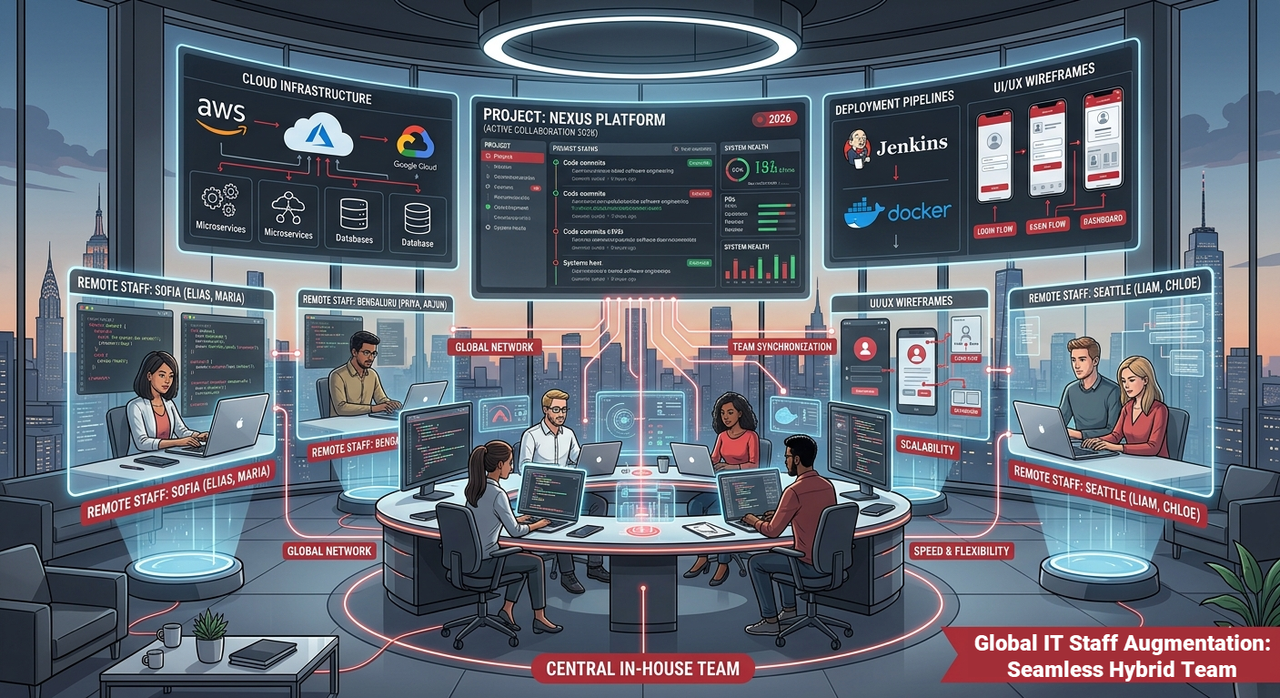
IT staff augmentation is a hiring model which essentially provides skilled, qualified talent to a company’s in-house IT team to act as an extension of said team on a specific term basis.
According to their different skills and expertise, and the duration of a project—whether it is long term or short term—these IT professionals provide enhanced services which focus on the specific technical expertise that is required by the company in order to reach their business objectives.
Considering the fact that not every company can afford to hire full-time employees, as well as skill shortages, this provides an efficient, effective, and flexible solution for businesses that are in need of a team member with rare or highly sought after technical skills. Augmented services fill in these staffing gaps, and as a result, allow companies to focus on their core competencies in a day and age where technology is rapidly advancing.
Which Different Types Of IT Staff Augmentation Services Are There?
While staff augmentation itself is a hiring model, there are also different types of the service as well, each with their own benefits according to the requirements of the project they are being used for.
There are three main types of augmented staff services: commodity, skilled, and highly skilled.
Commodity IT Staff Augmentation
This model of IT staff augmentation is not outlined by any particular specializations or specific expertise, and instead emphasizes urgency, making it best suited to short term work. In this case, the commodity itself is what is wanted rather than being able to employ external personnel for certain skills.
Oftentimes, businesses’ IT teams are not looking for a specific skill set, but still require specialists to conduct tasks. This is usually the case when these tasks are simply yet lengthy, and the business does not want their in-house team and resources to devote much time and disperse their focus on them. For example, data entry and continuous, repetitive manual testing of codes or software.
This option allows businesses to streamline processes, and better allocate their resources and internal teams’ time. While what first comes to mind when referring to staff augmentation is skill requirements, immediacy is still an imperative decisive aspect when it comes to fulfilling certain tasks, and the option to utilize the assistance of augmented specialists is something that many businesses need.
Skill-based IT Staff Augmentation
This IT staff augmentation model is one which requires businesses to identify the specific skills and knowledge that are necessary to carry out certain projects, and then hire staff according to their actual skills, and not simply for task completion. This work can be on a short term basis or a long term basis, but is often leveraged for long term projects
As practical skills and knowledge are what first come to mind when considering staff augmentation, this model is more commonly used, and is an effective way for businesses to acquire the necessary skill sets without having to put the time and resources into recruiting, hiring, or training their own staff.
However, the relative skill level involved with this model is not crucial. Which is to say that the augmented staff member(s) do not need to be elite experts, as the work is not particularly demanding. The emphasis here is on hiring developers who can act as great support for the in-house team, and can take care of responsibilities such as clerical work or fill junior level positions.
With this type of staff augmentation service, the work being done relies on the technical skills themselves, as it is meant to temporarily fill a gap in the IT team, but does not necessarily require a strategic or expert-level team member.
Highly Skilled Staff Augmentation
This model of IT staff augmentation is one which not only requires a team member with specific tech skills, but a team member with advanced, honed skills, at an expert level. They often cover a rare expertise, and businesses hire them to work on more complex, dynamic projects.
Finding an IT professional with a unique skill set through an augmented service firm is much more convenient for companies compared to finding someone to join the team full-time, and they are still able to reap the benefits of working together with a top level expert to handle complex, critical tasks. In both short term and long term cases, this model allows businesses to bring in additional project value and to gain a competitive advantage.
 Explore more on these topics





























 Guest Blogging: The Definitive Guide

 Top Trending Topics
 Share This
 Link copied!
 Recently Updated News
 thực chiến - Kiến tạo tương lai cho các nhà sáng tạo nội dung.