


Kaizen - Culture of Continuous Improvement and Lean Thinking
Last updated: October 20, 2025 Read in fullscreen view


 Recommended for you
- 02 Nov 2023
 Unlocking Success with The Amoeba Management Model: Key Lessons, Pros & Cons, and Finding the Perfect Fit 352/1027
 - 09 Sep 2022 Kaizen, Kaikaku and Kakushin – what’s the difference? 318/3362
- 10 Nov 2021 5S methodology - the SECRET to Japanese SUCCESS 236/1978
- 24 Nov 2022 Genba Genbutsu Genjitsu (3Gs), (Go to the Genba & see for yourself!) 230/3224
- 01 Dec 2023 What is Amoeba Management? 217/1199
- 03 Jan 2024 What is the Ringi process? 145/1151
- 07 Mar 2023 Japan’s Unusual Farming Strategy: Renting Land and Leaving It Fallow for 5 Years — Here’s the Truth… 142/259
- 01 Mar 2022 The Toyota Way Management Principles 127/930
- 01 Dec 2022 Difference between Set-based development and Point-based development 125/482
- 19 Oct 2021 Software development life cycles 119/797
- 21 May 2022 "Fail Fast, Fail Often, Fail Forward" is the answer to Agile practices of software success 116/1164
- 13 Oct 2021 Outsourcing Software Development: MVP, Proof of Concept (POC) and Prototyping. Which is better? 114/590
- 01 Apr 2022 Ishikawa (fishbone) diagram in software project management 114/3287
- 10 Apr 2022 Agile self-organizing teams: What are they? How do they work? 112/657
- 04 Oct 2021 Product Validation: The Key to Developing the Best Product Possible 111/419
- 06 Nov 2023 How do you streamline requirement analysis and modeling? 111/348
- 09 Sep 2022 What is 5 Whys (Five Whys)? 109/1080
- 03 Jul 2022 Manifesto for Agile Software Development 107/374
- 27 Oct 2020 8 principles of Agile Testing 103/1413
- 16 Jul 2022 What are disadvantages of Agile Methodology? How to mitigate the disadvantages ? 98/491
- 12 Oct 2022 14 Common Reasons Software Projects Fail (And How To Avoid Them) 96/659
- 12 Aug 2024 Understanding Google Analytics in Mumbai: A Beginner's Guide 95/192
- 29 Aug 2022 Difference between Kaizen and Innovation 95/1000
- 20 Jan 2021 Fail early, fail often, fail cheap, fail safe but always fail forward 94/887
- 11 Nov 2021 What is an IT Self-service Portal? Why is it Important to Your Business? 93/536
- 29 Jan 2026 Honne and Tatemae: Why Do Japanese People Seem Excessively Polite and Indirect? 93/116
- 12 Mar 2022 The u-Japan concept 92/381
- 28 Nov 2023 Scrum Team Failure — Scrum Anti-Patterns Taxonomy 92/343
- 04 Mar 2024 Tree Ring Management: Take the Long Term View and Grow Your Business Slowly 90/533
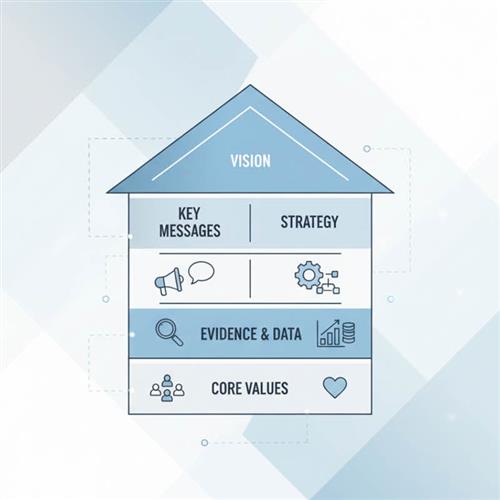
- 07 Oct 2025 Case Study: Using the “Messaging House” Framework to Build a Digital Transformation Roadmap 89/168
- 17 Mar 2023 Reduce waste in software development with 3M model: Muda, Mura, Muri 89/1055
- 19 Sep 2022 Jidoka in Software Development and Odoo ERP/MRP 89/634
- 06 Jun 2022 HEIJUNKA: The art of leveling production 88/699
- 15 Jul 2022 Hansei Methodology: Continuously Engaging People in Improvement 88/832
- 31 Aug 2022 What are the best practices for software contract negotiations? 87/354
- 02 Feb 2022 Yokoten: Best Practice Sharing from a success 84/1498
- 01 Jan 2023 How To Use Poka-Yoke (Mistake Proofing) Technique To Improve Software Quality 83/739
- 05 Mar 2021 How do you minimize risks when you outsource software development? 82/414
- 02 Nov 2021 [Case Study] Streamlined Data Reporting using Tableau 81/383
- 12 Dec 2024 Danshari: A Japanese Minimalist Philosophy for Cleaner Code and Leaner IT Operations 80/158
- 13 Jul 2022 Applying the business mantra "HORENSO" to Achieve 360-degree Communication 79/1032
- 15 Apr 2022 Total Quality Management (TQM) - Japanese-style management approach to quality improvement. 77/792
- 20 Nov 2022 Agile working method in software and football 76/415
- 06 Mar 2024 [SemRush] What Are LSI Keywords & Why They Don‘t Matter 74/271
- 01 Jun 2022 How Your Agile Development Team is Just Like a Football Team? 74/292
- 05 Sep 2023 The Cold Start Problem: How to Start and Scale Network Effects 73/267
- 28 Jul 2022 POC, Prototypes, Pilots and MVP: What Are the Differences? 70/801
- 07 Oct 2020 How To Manage Expectations at Work (and Why It's Important) 70/402
- 12 Dec 2021 Zero Sum Games Agile vs. Waterfall Project Management Methods 66/476
- 01 Jun 2020 Japan Business Review (JBR) 65/400
- 13 Feb 2021 Why is TIGOSOFT a software house for Enterprise Application Development? 65/445
- 02 Dec 2022 Success Story: Satsuki - Sales Management Software, back office app for School Subscription Management 64/301
- 03 Sep 2022 The secret of software success: Simplicity is the ultimate sophistication 63/267
- 18 Jul 2021 How To Ramp Up An Offshore Software Development Team Quickly 62/652
- 20 Jan 2022 TIGO Self-Organization Practice: Change Management Workflow 62/531
- 12 Oct 2020 The Agile Manifesto - Principle #8 61/555
- 09 Oct 2022 Key Advantages and Disadvantages of Agile Methodology 61/765
- 01 Jan 2024 The pros and cons of the Centralized Enterprise Automation Operating model 61/281
- 17 Jun 2021 What is IT-business alignment? 60/429
- 01 Dec 2023 Laws of Project Management 59/373
- 04 Oct 2022 Which ERP implementation strategy is right for your business? 58/411
- 01 May 2024 Warren Buffett’s Golden Rule for Digital Transformation: Avoiding Tech Overload 58/265
- 03 Apr 2021 How digital asset management streamlines your content workflow? 56/384
- 28 Oct 2022 Build Operate Transfer (B.O.T) Model in Software Outsourcing 50/453
- 21 Jun 2021 6 Useful Tips To Streamline Business Processes and Workflows 48/579
- 16 Jun 2022 Rapid Application Development (RAD): Pros and Cons 45/921
- 01 Mar 2022 Why Does Scrum Fail in Large Companies? 43/306
- 21 Oct 2022 Virtual meeting - How does TIGO save cost, reduce complexity and improve quality by remote communication? 40/224
- 10 Oct 2022 Should Your Business Go Agile? (Infographic) 38/162
- 02 Nov 2022 Frequently Asked Questions about Agile and Scrum 35/432
KAIZEN - RAPID IMPROVEMENT PROCESSES
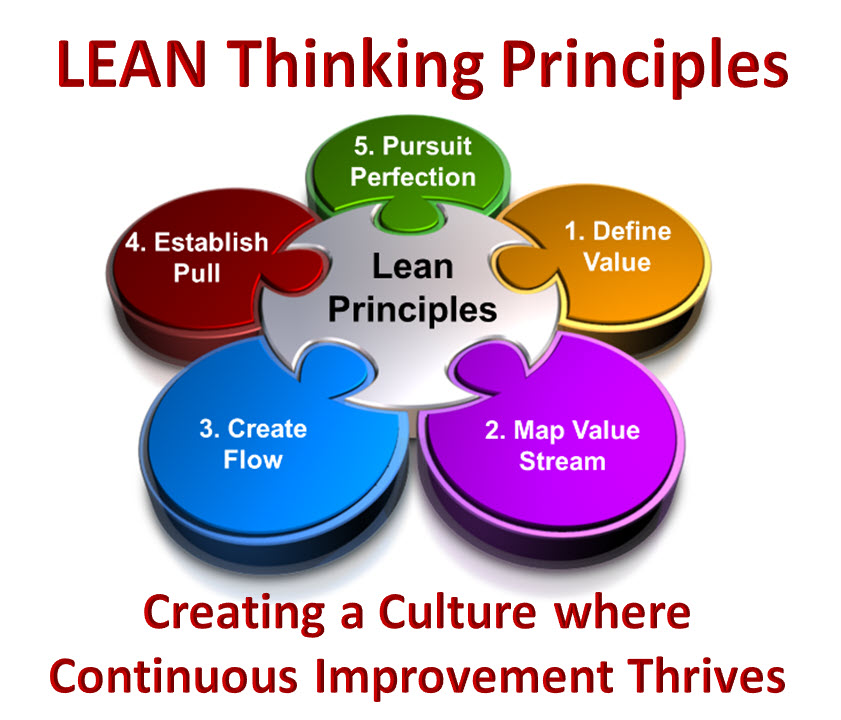
Kaizen, or rapid improvement processes, often is considered to be the "building block" of all lean production methods. Kaizen focuses on eliminating waste, improving productivity, and achieving sustained continual improvement in targeted activities and processes of an organization.
Read on: Lean software development - the game-changer in the digital age
Lean production is founded on the idea of kaizen – or continual improvement. This philosophy implies that small, incremental changes routinely applied and sustained over a long period result in significant improvements. The kaizen strategy aims to involve workers from multiple functions and levels in the organization in working together to address a problem or improve a process. The team uses analytical techniques, such as value stream mapping and "the 5 whys", to identify opportunities quickly to eliminate waste in a targeted process or production area. The team works to implement chosen improvements rapidly (often within 72 hours of initiating the kaizen event), typically focusing on solutions that do not involve large capital outlays.
Also Read: Kaizen and DMAIC: What's the differences?
The 5 whys technique
Click on each picture to learn more about the 5 Whys
KAIZEN TYPES
KAIZEN PDCA
1981 Japanese PDCA Cycle - Plan, Do, Check, Act
In 1985 the Japanese PDCA Cycle was revised, utilizing additions from Kaoru Ishikawa.
The Japanese PDCA cycle was changed to include other things within the Plan, Do, Check, Act steps:
- Plan: Now divided into two steps - define goals and targets as wells as decide on ways to reach the end goal.
- Do: Now divided into two steps - participate in education and training as well as implement the plan.
- Check: Analyze the results to verify whether or not the plan has had the intended effect.
- Act: If the results of the cycle were not satisfactory go back to plan. If the results were satisfactory, standardize the solution.
The PDCA cycle functions a bit like the scientific method with people testing out hypotheses to see what works and then developing new procedures based on outcomes.
A key thing to remember is that these cycles are ongoing. Standards are important to have, but they aren't set in stone. Workplaces are dynamic and business conditions change, so standards must change, too.
Shewhart Cycle
In 1986, Deming revealed a modified Shewhart cycle. He confirmed that it was a revised version of the original 1950s version.
The new cyclical steps were:
- "What could be the team's most important accomplishments? What changes might be desirable? What data are available? Are new observations needed? If yes, plan a change or test. Decide how to use the observations.
- Carry out the change or test decided upon, preferably on a small scale.
- Observe the effects of the change or test.
- Study the results. What did we learn? What can we predict?
- Repeat step one, with knowledge accumulated.
- Repeat step two, and onward.
10 principles of Kaizen
Because executing Kaizen requires enabling the right mindset throughout a company, 10 principles that address the Kaizen mindset are commonly referenced as core to the philosophy. They are:
- Let go of assumptions.
- Be proactive about solving problems.
- Don't accept the status quo.
- Let go of perfectionism and take an attitude of iterative, adaptive change.
- Look for solutions as you find mistakes.
- Create an environment in which everyone feels empowered to contribute.
- Don't accept the obvious issue; instead, ask "why" five times to get to the root cause.
- Cull information and opinions from multiple people.
- Use creativity to find low-cost, small improvements.
- Never stop improving.
THE DUAL NATURE OF THE KAIZEN SYSTEM
Kaizen is part action plan and part philosophy.
- As an action plan, Kaizen is about organizing events focused on improving specific areas within the company. These events involve teams of employees at all levels, with an especially strong emphasis on involving plant floor employees.
- As a philosophy, Kaizen is about building a culture where all employees are actively engaged in suggesting and implementing improvements to the company. In truly lean companies, it becomes a natural way of thinking for both managers and plant floor employees.
Kaizen works hand-in-hand with Standardized Work. Standardized Work captures the current best practices for a process, and Kaizen aims to find improvements for those processes. Note the emphasis on current; Standardized Work is living documentation (it continually evolves through Kaizen).
KAIZEN EVENTS
A typical Kaizen event has a process that goes something like this:
- Set goals and provide any necessary background.
- Review the current state and develop a plan for improvements.
- Implement improvements.
- Review and fix what doesn’t work.
- Report results and determine any follow-up items.
This type of Kaizen process cycle is frequently referred to as PDCA (Plan, Do, Check, and Act). PDCA brings a scientific approach to making improvements:
- Plan: develop a hypothesis
- Do: run experiment
- Check: evaluate results
- Act: refine your experiment; then start a new cycle
IN SUMMARY
Kaizen can dramatically improve the efficiency and standardization of your company’s workflows, processes, and procedures. Kaizen can make a significant impact on employee engagement and culture, as well as workflow improvements. Kaizen is a way to transform the way your business works if everyone in it is committed to making positive changes at all levels of the company.
Interestingly, Kaizen as an action plan is exactly what develops Kaizen as a philosophy. When Kaizen is applied as an action plan through a consistent and sustained program of successful Kaizen events, it teaches employees to think differently about their work. In other words, consistently applying Kaizen as an action plan creates tremendous long-term value by developing the culture that is needed for truly effective continuous improvement.
 Explore more on these topics




26072024043639_thumb.jpg)











 Guest Blogging: The Definitive Guide

 Top Trending Topics
 Share This
 Link copied!
 Recently Updated News