


Scrum Flexibility: Navigating the Boundaries of Agile Modification
Last updated: December 20, 2025 Read in fullscreen view


 Recommended for you
- 01 Aug 2024
 The Standish Group report 83.9% of IT projects partially or completely fail 788/2605
 - 13 Apr 2024 Lessons on Teamwork and Leadership from Chinese story book "Journey to the West" 250/1335
- 02 Nov 2021 What is Terms of Reference (ToR)? 166/1742
- 18 Oct 2020 How to use the "Knowns" and "Unknowns" technique to manage assumptions 163/1257
- 19 Oct 2021 Software development life cycles 143/821
- 01 Dec 2022 Difference between Set-based development and Point-based development 136/498
- 21 May 2022 "Fail Fast, Fail Often, Fail Forward" is the answer to Agile practices of software success 132/1181
- 10 Apr 2022 Agile self-organizing teams: What are they? How do they work? 129/687
- 13 Oct 2021 Outsourcing Software Development: MVP, Proof of Concept (POC) and Prototyping. Which is better? 127/603
- 27 Oct 2020 8 principles of Agile Testing 124/1439
- 04 Oct 2021 Product Validation: The Key to Developing the Best Product Possible 123/431
- 07 Oct 2025 Case Study: Using the “Messaging House” Framework to Build a Digital Transformation Roadmap 121/200
- 11 Jan 2024 What are the Benefits and Limitations of Augmented Intelligence? 119/605
- 18 Aug 2022 What are the consequences of poor requirements with software development projects? 117/385
- 13 Dec 2020 Move fast, fail fast, fail-safe 117/456
- 03 Jul 2022 Manifesto for Agile Software Development 117/387
- 16 Jul 2022 What are disadvantages of Agile Methodology? How to mitigate the disadvantages ? 115/511
- 28 Nov 2023 Scrum Team Failure — Scrum Anti-Patterns Taxonomy 114/369
- 23 Sep 2021 INFOGRAPHIC: Top 9 Software Outsourcing Mistakes 114/537
- 06 Feb 2021 Why fail fast and learn fast? 113/588
- 23 Jun 2024 Best Practices for Managing Project Escalations 113/318
- 01 Oct 2020 Fail fast, learn faster with Agile methodology 112/1186
- 12 Oct 2022 14 Common Reasons Software Projects Fail (And How To Avoid Them) 109/674
- 12 Aug 2024 Understanding Google Analytics in Mumbai: A Beginner's Guide 106/213
- 02 May 2022 What Is RAID in Project Management? (With Pros and Cons) 105/948
- 01 Mar 2024 10 Project Management Myths 104/278
- 03 Apr 2022 Microsoft Solutions Framework (MSF) 103/1445
- 12 Aug 2022 What is End-to-end project management? 102/608
- 28 Jul 2022 POC, Prototypes, Pilots and MVP: What Are the Differences? 100/841
- 14 Mar 2024 Why should you opt for software localization from a professional agency? 100/239
- 03 Jan 2023 Organizing your agile teams? Think about M.A.T (Mastery, Autonomy, Purpose) 96/493
- 12 Dec 2021 Zero Sum Games Agile vs. Waterfall Project Management Methods 95/509
- 20 Nov 2022 Agile working method in software and football 95/435
- 31 Aug 2022 What are the best practices for software contract negotiations? 95/366
- 14 Oct 2021 Advantages and Disadvantages of Time and Material Contract (T&M) 92/985
- 02 Nov 2022 Difference between Change Management and Project Management 91/323
- 05 Sep 2023 The Cold Start Problem: How to Start and Scale Network Effects 91/288
- 07 Oct 2020 How To Manage Expectations at Work (and Why It's Important) 88/421
- 08 Oct 2022 KPI - The New Leadership 87/694
- 28 Dec 2021 8 types of pricing models in software development outsourcing 87/521
- 05 Mar 2021 How do you minimize risks when you outsource software development? 86/419
- 09 Sep 2022 Debunking 50+ Agile Scrum Interview Questions 86/530
- 09 May 2022 Build one to throw away vs Second-system effect: What are differences? 85/396
- 01 Jun 2022 How Your Agile Development Team is Just Like a Football Team? 84/302
- 10 Apr 2024 The Parking Lot Method: Unlocking a Simple Secret to Supercharge Your Productivity 84/603
- 04 Mar 2023 [Medium] Box-Ticking: The Management Strategy That’s Killing your Productivity 83/749
- 22 May 2025 Role of Self-Service in CRM: Customer & Partner Portals for Automation 82/165
- 06 Mar 2024 [SemRush] What Are LSI Keywords & Why They Don‘t Matter 80/282
- 01 Aug 2022 Is planning "set it and forget it" or "set it and check it"? 80/377
- 17 Oct 2021 Does Fast Tracking increase project cost? 80/455
- 18 Dec 2023 The Cone of Uncertainty in Scrum & Requirement Definition 80/814
- 22 May 2022 What are common mistakes that new or inexperienced managers make? 79/360
- 10 Nov 2022 Poor Code Indicators and How to Improve Your Code? 79/296
- 19 Oct 2021 Is gold plating good or bad in project management? 78/909
- 01 Dec 2023 Laws of Project Management 78/393
- 10 Dec 2023 Pain points of User Acceptance Testing (UAT) 77/535
- 09 Oct 2022 Key Advantages and Disadvantages of Agile Methodology 77/781
- 17 Feb 2022 Prioritizing Software Requirements with Kano Analysis 75/379
- 07 Dec 2023 12 project management myths to avoid 75/267
- 14 Jun 2022 Example and Excel template of a RACI chart in Software Development 75/947
- 07 Sep 2022 The Adaptive Scrum: Why Modified Agile Model? 75/429
- 18 Feb 2026 "Hit and Run" Project Management: Balancing Speed with Sustainability 74/100
- 07 Jul 2022 Managing Project Execution Terms 74/481
- 18 Oct 2021 Key Elements to Ramping Up a Large Team 74/1331
- 18 Jul 2021 How To Ramp Up An Offshore Software Development Team Quickly 73/665
- 19 Apr 2021 7 Most Common Time-Wasters For Software Development 72/617
- 12 Oct 2020 The Agile Manifesto - Principle #8 72/567
- 17 Dec 2025 Unaligned Escalation Logic: A Silent Risk in Complex Organizations 71/95
- 04 Oct 2022 Which ERP implementation strategy is right for your business? 70/430
- 01 May 2024 Warren Buffett’s Golden Rule for Digital Transformation: Avoiding Tech Overload 69/277
- 12 Mar 2024 How do you create FOMO in software prospects? 68/241
- 01 Mar 2023 Bug Prioritization - What are the 5 levels of priority? 68/297
- 27 Jan 2020 Should a project manager push developers to work more hours due to mistakes of manager schedule setting? 67/508
- 31 Oct 2021 Tips to Fail Fast With Outsourcing 65/456
- 15 May 2022 20 Common Mistakes Made by New or Inexperienced Project Managers 63/345
- 02 Dec 2021 3 Ways to Avoid Scope Creep in IT Consulting 62/271
- 27 May 2026 Best 5 Software Development Companies Ideal for Early-Stage Startups 61/87
- 15 Aug 2025 Quantum Technology: Global Challenges and Opportunities for Innovators 60/190
- 20 Jul 2022 Software Myths and Realities 60/1001
- 05 Jan 2024 Easy ASANA tips & tricks for you and your team 60/258
- 24 Nov 2023 The project management paradox: Achieving MORE by doing LESS 60/290
- 06 Jun 2022 Change Management at the Project Level 58/364
- 02 Jun 2024 Reviving Ancient Wisdom: The Spiritual Side of Project Management 58/315
- 05 Jun 2023 Fractional, Part-Time (virtual) or Interim CTO: Who Will Cover Your Business Needs? 58/201
- 26 Sep 2024 Successful Project Management Techniques You Need to Look Out For 57/454
- 28 Oct 2022 Build Operate Transfer (B.O.T) Model in Software Outsourcing 57/467
- 13 Jan 2020 Quiz: Test your understanding project cost management 55/701
- 10 May 2022 Levels of Teamwork 54/249
- 01 Mar 2022 Why Does Scrum Fail in Large Companies? 54/318
- 26 Dec 2023 Improving Meeting Effectiveness Through the Six Thinking Hats 53/329
- 30 Nov 2023 Project Managers, Focus on Outcomes — Not Deliverables 52/213
- 10 Oct 2022 Should Your Business Go Agile? (Infographic) 48/172
- 21 Oct 2022 Virtual meeting - How does TIGO save cost, reduce complexity and improve quality by remote communication? 47/237
- 21 Jun 2024 Dead Horses and the Escalation of Commitment 45/183
- 02 Nov 2022 Frequently Asked Questions about Agile and Scrum 43/440
- 06 Nov 2019 How to Access Software Project Size? 39/296
The Scrum model is very well defined. It works for a reason. Many have modeled it for us before. Any modification you make you are risking doing Scrum half way or being in a what I call Scrum-isch scenario in which case you may miss the actual benefits of Scrum.
However every team has different, unique needs. Start out by integrating the process as clean as possible, do it by the book, and do it for a while. Then observe and listen to feedback from the team.
Ask yourself: What is the person/team struggling with, and why? What are the underlying causes?
Be selective about what modifications you are considering to make. It's typical for people to object to new processes and structure in general, so you will have to separate the standard complaints about the process overall, stand by the argument of why it is useful to keep the process clean and investigate the generic “the process does not work” comments for the actual underlying cause. If you do that, and you still find that there are indeed some minor nuances of the process that could be changed based on recommendations without impacting the larger structure, then by all means do it.
The problem with Scrum is that it is so perfectly pre defined, that people have done it for so long now and know it works, that it leaves no space for a team to be part of the creation process any more. It seems as if you are forcing people into a process they had no say in. Of course it is that way for a reason. Can you imagine the chaos if we created our own process based on everyone's wants and needs? It makes sense for process oriented people to see the benefits of a template, but psychologically it does not work for everyone. Some team members always want to feel that they have a say in what their every day work structure looks like.
Modifications of meeting days/times should always be an option for the team to decide on as a whole. Meeting length for sprint kick ofs is another one that can be modified. Initially you will need 4 hours, but over time as you become more efficient with the team, perhaps there is an opportunity to change it. If you end early often, this is a good indicator that you are ready to reduce the meeting time. I wouldn’t recommend going below 2 hours for kickoff meetings or else you are prone to rush through your items and don’t allow the time needed to drill into the stories deep enough. Overall the message should be that the time invested in the Scrum meetings is time well spent.
Ask the team what format they want to follow for the retrospective? Shall the group use a spreadsheet for tracking of action items or just talk free form in the rounds about how the sprint went?
Can we please sit down in stand ups? I know - it couldn't be more obvious than calling a meeting a "stand up" - however I get asked this all the time. So, I passed the question back to the team. If the majority would want to sit I feel we could compromise on this, even though there are clear benefits to standing. So far it hasn't been the majority who want to go this route, only one or two. So we stand. At least we asked.
How to track velocity may not be something you easily want to change since it takes several sprints to accumulate an average velocity in either metric and is an important artifact to plan and measure on a company level.
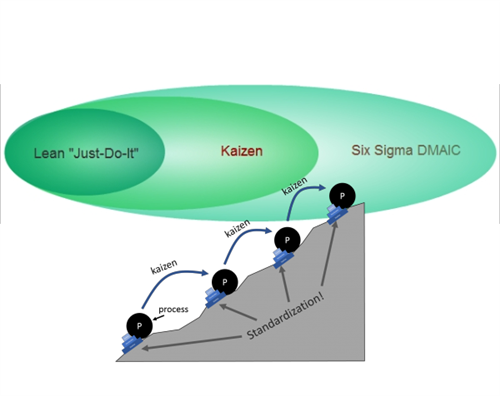
When making changes, keep in mind that anything can be a trial. Agree to try something new, just the tiniest thing and then change it again if it doesn’t work. Discuss at retrospectives. With that you are applying one of the top Agile principles of “inspect and adapt” to the process and are modeling what you are teaching.
Remain open and listen. Rather than having to refer back to Scrum rules and use the "this is how it is" expression, in my experience it is better to let the team come to their own realizations of the benefits of the structure of the process as it is. And sometimes that can only happen if you change it.
| About the Author | Judith Basler, MBA | Program & Project Management |
Program & Project Management | Design OPS | Responsible Innovation | Trust & Safety | Social Impact | Learning Experience Designer | Facebook Alum
I am a creative operations leader with many years of experience supporting product development teams in various sectors. I spent the last 4.5 years at Meta working in Integrity and Responsible Innovation, instating company wide principles and furthering the understanding of how to produce products that are more ethical and inclusive. Once I started focusing on Product Ethics I never could look back, everything I do I view under the lens of product equity, trust and safety. I am convinced that educating people and developing an operations process that is inclusive of responsible innovation checkpoints can fundamentally enhance the positive impact a product has on society and minimize the negative consequences. I am excited for the opportunity to partner with anyone who wants to put actionable changes in place.
|
 Explore more on these topics





















 Guest Blogging: The Definitive Guide

 Top Trending Topics
 Share This
 Link copied!
 Recently Updated News