
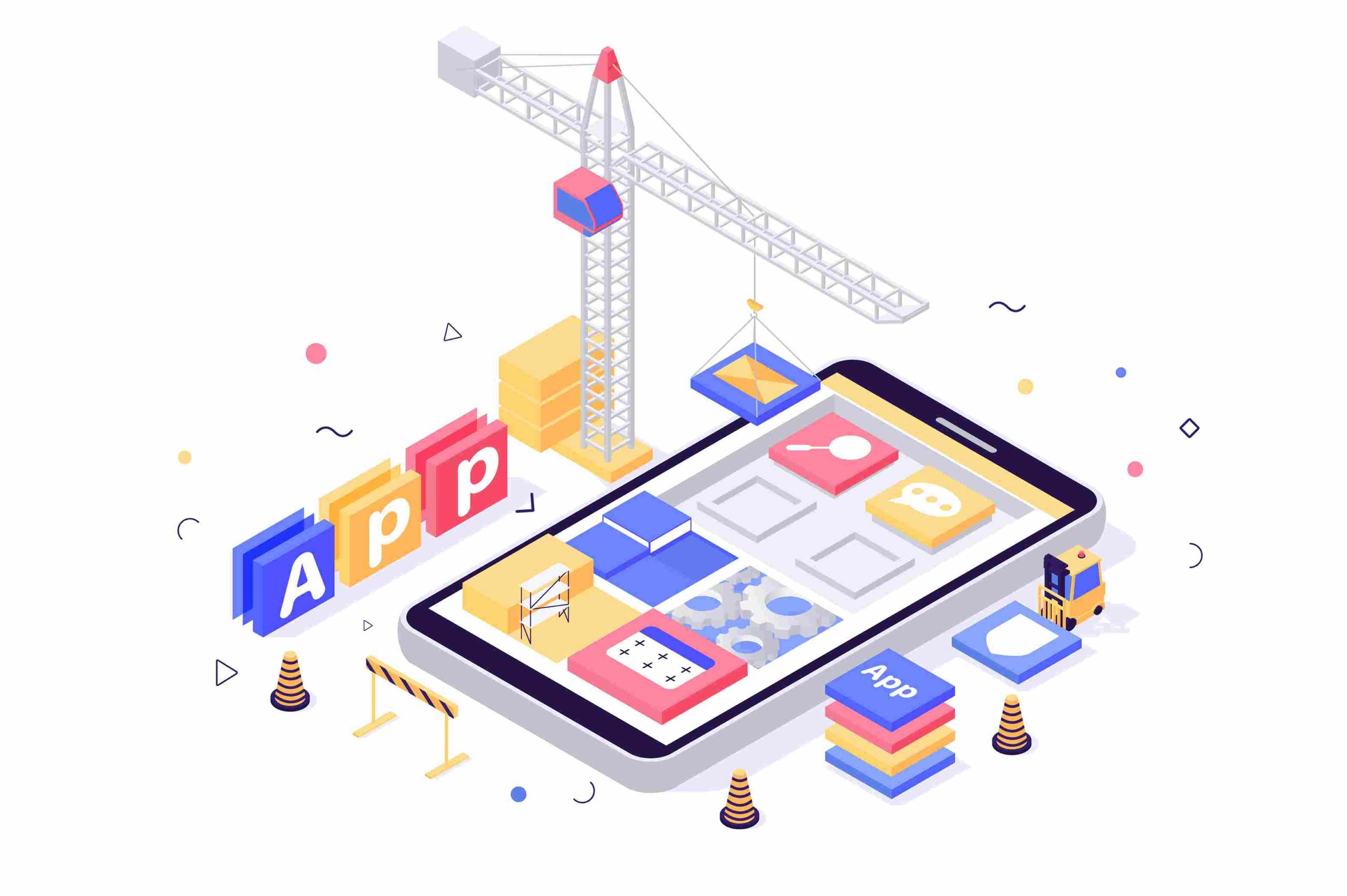
No code, low code: The Future of Software Development
Last updated: November 25, 2022 Read in fullscreen view


 Recommended for you
- 17 Jul 2023
 What Is SSL? A Simple Explanation Even a 10-Year-Old Can Understand 189/284
 - 20 Mar 2022 What is a Multi-Model Database? Pros and Cons? 169/1395
- 30 Oct 2022 How Much Does MVP Development Cost in 2023? 154/414
- 09 Jan 2022 How to Bridge the Gap Between Business and IT? 149/352
- 28 Oct 2025 The Future of Real Estate: Key Trends and Essential Lessons in Digital Transformation 136/207
- 01 Sep 2022 Facts Chart: Why Do Software Projects Fail? 128/721
- 03 Jul 2022 What is the difference between Project Proposal and Software Requirements Specification (SRS) in software engineering? 126/1167
- 05 Jul 2020 What is Sustaining Software Engineering? 125/1470
- 13 Nov 2021 What Is Bleeding Edge Technology? Are bleeding edge technologies cheaper? 123/691
- 10 Apr 2021 RFP vs POC: Why the proof of concept is replacing the request for proposal 113/440
- 29 Nov 2021 Memorandum of Understanding (MOU) for Partnership Agreements 105/674
- 22 Sep 2022 Why is it important to have a “single point of contact (SPoC)” on an IT project? 105/1097
- 07 Jul 2021 The 5 Levels of IT Help Desk Support 102/578
- 20 Dec 2021 What is Hybrid Mobile App Development? 98/497
- 10 Apr 2022 What is predictive analytics? Why it matters? 98/279
- 03 Dec 2025 IT Outsourcing Solutions Explained: What, How, Why, When 98/130
- 16 Feb 2021 Choose Outsourcing for Your Non Disclosure Agreement (NDA) 97/267
- 08 Nov 2022 4 tips for meeting tough deadlines when outsourcing projects to software vendor 97/387
- 07 Nov 2022 Why Design Thinking can save the outsourcing industry 97/288
- 30 Jan 2022 What Does a Sustaining Engineer Do? 96/731
- 31 Dec 2021 What is a Data Pipeline? 93/298
- 25 Apr 2021 What is outstaffing? 90/360
- 07 Aug 2022 Things to Consider When Choosing a Technology Partner 89/372
- 09 Feb 2023 The Challenge of Fixed-Bid Software Projects 83/332
- 01 Mar 2023 What is Unit Testing? Pros and cons of Unit Testing? 77/503
- 03 Nov 2022 Top questions and answers you must know before ask for software outsourcing 73/358
- 16 Apr 2021 Insightful Business Technology Consulting at TIGO 69/524
- 10 Jul 2025 Building AI-Driven Knowledge Graphs from Unstructured Data 68/230
- 20 Nov 2022 Software Requirements Are A Communication Problem 63/305
- 06 Mar 2021 4 things you need to do before getting an accurate quote for your software development 61/758
- 07 Oct 2022 Digital Transformation: Become a Technology Powerhouse 60/307
- 01 May 2023 CTO Interview Questions 60/395
- 06 Dec 2024 Steps For Integrating Sustainable Practices Into Business Operations 60/209
- 09 Mar 2022 Consultant Implementation Pricing 49/261
- 01 Mar 2023 How do you deal with disputes and conflicts that may arise during a software consulting project? 47/207
- 17 Mar 2025 IT Consultants in Digital Transformation 41/131
- 03 Dec 2025 Templafy Features Explained: The Ultimate Guide to Streamlined Content Management 5/174
It is no cheap feat that we have been able to benefit from the modern advancements in software technology solutions today. Without a doubt, this has steadily evolved and continues to be a source of technological innovation as we move toward the future. Businesses have and will continue to benefit from these technological advancements. These advancements have significantly impacted the choice of the technology stack used in application development platforms.
It also impacts the businesses' software development costs and overall expenses. In addition, the chosen software development method affects the flexibility and competitiveness of the business. This is usually determined by the speed with which it is able to launch its no-code, low-code applications to market.
A low-code platform is most often used by IT professionals with some coding skills to create custom applications, while no-code platforms typically allow business users without any knowledge of how coding works to address their own development needs.
Obviously, these no code/low code development solutions are here to stay. These agile and responsive software development methods are the way of the digital future! No code/low development automates processes, has a lower learning curve, and is cheaper, faster, and more efficient than traditional programming methods.
They also save time, money, and energy, which are valuable resources in a business. These software development solutions are scalable and can be customized to suit the needs of your business, no matter the size. In order to choose the best software solutions for your business, it makes sense to explore the advantages of using no code low code development tools.
 Explore more on these topics























 Guest Blogging: The Definitive Guide

 Top Trending Topics
 Share This
 Link copied!
 Recently Updated News