




Leading Remote Teams in Hybrid Work Environments
Last updated: July 25, 2025 Read in fullscreen view


 Recommended for you
- 05 Oct 2025
 The New Facebook Algorithm: A Paradigm Shift in Content Discovery 306/368
 - 21 Dec 2023 Top 12 Low-Code Platforms To Use in 2024 231/1532
- 21 Sep 2023 Abraham Wald and the Missing Bullet Holes 195/902
- 31 Dec 2025 10 Skills to Make You "Irreplaceable" in the Next 3 Years (even if AI changes everything) 188/223
- 18 Oct 2020 How to use the "Knowns" and "Unknowns" technique to manage assumptions 173/1269
- 20 Dec 2025 The Future of IT Consulting: Key Trends for 2026–2030 172/216
- 25 Mar 2026 Token Bills: The "Cost Shock" After the AI Boom in Companies 172/198
- 03 Oct 2025 Top CMS Trends 2026: The Future of Digital Content Management 170/204
- 26 Mar 2026 What Is a System Integrator (SI)? Why the Software Subscription Model Is Becoming the New Standard 163/197
- 01 Dec 2022 Difference between Set-based development and Point-based development 150/517
- 27 Oct 2020 8 principles of Agile Testing 143/1459
- 23 Sep 2021 INFOGRAPHIC: Top 9 Software Outsourcing Mistakes 143/566
- 21 May 2022 "Fail Fast, Fail Often, Fail Forward" is the answer to Agile practices of software success 141/1190
- 18 Jul 2024 The 8 Best ways to Innovate your SAAS Business Model in 2024 141/398
- 10 Apr 2022 Agile self-organizing teams: What are they? How do they work? 135/697
- 18 Aug 2022 What are the consequences of poor requirements with software development projects? 129/397
- 28 Nov 2023 Scrum Team Failure — Scrum Anti-Patterns Taxonomy 124/379
- 16 Jul 2022 What are disadvantages of Agile Methodology? How to mitigate the disadvantages ? 124/520
- 01 Oct 2020 Fail fast, learn faster with Agile methodology 124/1198
- 03 Jul 2022 Manifesto for Agile Software Development 123/393
- 11 Jan 2024 What are the Benefits and Limitations of Augmented Intelligence? 122/609
- 13 Dec 2020 Move fast, fail fast, fail-safe 121/465
- 06 Feb 2021 Why fail fast and learn fast? 118/597
- 20 Feb 2025 How Machine Learning is Shaping the Future of Digital Advertising 118/243
- 16 Aug 2022 What is a Headless CMS? 116/402
- 27 Jul 2024 Positive Psychology in the Digital Age: Future Directions and Technologies 114/544
- 02 Dec 2024 The Intersection of AI and Business Analytics: Key Concepts to Master in Your Business Analytics Course 108/404
- 12 May 2024 The Pros and Cons of the Creator Economy in the Age of AI: Opportunities, Challenges, and the Gray Zone with the Gig Economy 103/376
- 03 Jan 2024 Why Partnership is important for Growth? 103/261
- 14 Oct 2021 Advantages and Disadvantages of Time and Material Contract (T&M) 103/1003
- 14 Mar 2024 Why should you opt for software localization from a professional agency? 102/241
- 20 Aug 2025 What Is Agentic AI? The Next Phase of Artificial Intelligence 100/261
- 20 Nov 2022 Agile working method in software and football 100/442
- 16 Sep 2022 Examples Of Augmented Intelligence In Today’s Workplaces Shaping the Business as Usual 100/537
- 11 Oct 2022 Why choose Billable Viable Product (BVP) over Minimum Viable Product (MVP) 99/441
- 28 Dec 2021 8 types of pricing models in software development outsourcing 99/533
- 23 Jun 2025 AI Avatars in the Metaverse: How Digital Beings Are Redefining Identity and Social Interaction 98/286
- 09 Sep 2024 How AI Rewriting Can Improve Your Content’s SEO Performance 98/296
- 18 Jan 2024 Self-healing code is the future of software development 98/316
- 10 Jan 2024 Like for Like – how to preserves existing business and leverage technological advancement 96/522
- 04 Apr 2025 To Act or Not to Act – A Manager’s Persistent Dilemma 96/212
- 25 Sep 2024 Enhancing Decision-Making Skills with an MBA: Data-Driven Approaches for Business Growth 95/304
- 07 Oct 2020 How To Manage Expectations at Work (and Why It's Important) 94/432
- 19 Oct 2021 Is gold plating good or bad in project management? 93/926
- 25 Jan 2025 The Decline of Traditional SaaS and the Rise of AI-first Applications 93/199
- 30 Jul 2024 The Future of IT Consulting: Trends and Opportunities 93/307
- 17 Feb 2022 Prioritizing Software Requirements with Kano Analysis 92/398
- 01 Jun 2022 How Your Agile Development Team is Just Like a Football Team? 91/309
- 31 Dec 2023 Software Development Outsourcing Trends to Watch Out for in 2024 91/321
- 08 Oct 2022 KPI - The New Leadership 89/698
- 10 Nov 2022 Poor Code Indicators and How to Improve Your Code? 87/304
- 10 Dec 2023 Pain points of User Acceptance Testing (UAT) 85/546
- 03 Nov 2023 Why Is Billable Viable Product An Alternative To Minimum Viable Product? 84/275
- 22 Nov 2024 The Role of AI in Enhancing Business Efficiency and Decision-Making 83/278
- 12 Mar 2024 How do you create FOMO in software prospects? 83/257
- 09 Oct 2022 Key Advantages and Disadvantages of Agile Methodology 82/786
- 18 Aug 2024 The Future of Web Development: Emerging Trends and Technologies Every Developer Should Know 80/275
- 31 Dec 2022 The New Normal for Software Development 76/430
- 01 Mar 2023 Bug Prioritization - What are the 5 levels of priority? 76/305
- 12 Oct 2020 The Agile Manifesto - Principle #8 75/570
- 19 Apr 2021 7 Most Common Time-Wasters For Software Development 74/619
- 19 Dec 2023 How AI is Transforming Software Development? 74/367
- 23 May 2024 Mastering AI: Sharpening the Axe in the Digital Age 74/344
- 27 Feb 2025 How AI Agents are Changing Software Development? 74/315
- 27 May 2026 Best 5 Software Development Companies Ideal for Early-Stage Startups 73/104
- 09 Oct 2024 Short-Form Video Advertising: The Secret to Captivating Your Audience 71/203
- 31 Oct 2021 Tips to Fail Fast With Outsourcing 70/461
- 15 Aug 2025 Quantum Technology: Global Challenges and Opportunities for Innovators 65/204
- 05 Jan 2024 Easy ASANA tips & tricks for you and your team 65/264
- 26 Sep 2024 Successful Project Management Techniques You Need to Look Out For 63/460
- 10 Sep 2024 AI in Email Marketing: Personalization and Automation 61/238
- 01 Mar 2022 Why Does Scrum Fail in Large Companies? 58/322
- 26 Dec 2023 Improving Meeting Effectiveness Through the Six Thinking Hats 55/331
- 21 Oct 2022 Virtual meeting - How does TIGO save cost, reduce complexity and improve quality by remote communication? 54/244
- 06 Nov 2019 How to Access Software Project Size? 52/312
- 10 Oct 2022 Should Your Business Go Agile? (Infographic) 51/175
- 02 Nov 2022 Frequently Asked Questions about Agile and Scrum 50/447
- 31 Dec 2022 Future of Software Development Trends and Predictions 49/200
- 12 Sep 2024 Be Water, My Friend: Fluidity, Flow & Going With the Flow 35/205
- 04 Mar 2026 CRM Trends Shaping Customer Engagement in 2026 1/152
In recent years, the way we work has significantly transformed due to the global lockdown during the COVID-19 pandemic. With remote work, many of us have traded our daily commutes for home offices, and the traditional workplace has shifted into a more flexible environment. While this phenomenon has brought about exciting opportunities, it has also handed out unique challenges for leaders trying to keep their teams connected and engaged.
With many of us now working from the comforts of our own homes, leading remote teams is no longer just about managing tasks. Here are practical strategies that can help leaders ensure their remote teams stay productive and motivated, no matter where they are.
Recognising the Shift in Leadership
One of the first steps in effective leadership is recognising the changes in leadership styles that are necessary for leading remote teams. Leaders must assure their team members that their choices regarding remote or in-office work will not hinder their career development. They must also establish a psychologically safe environment where employees feel comfortable discussing uncertainties and setbacks. This mindset empowers teams to take risks and innovate without fear of negative repercussions.
Furthering Transparent Communication
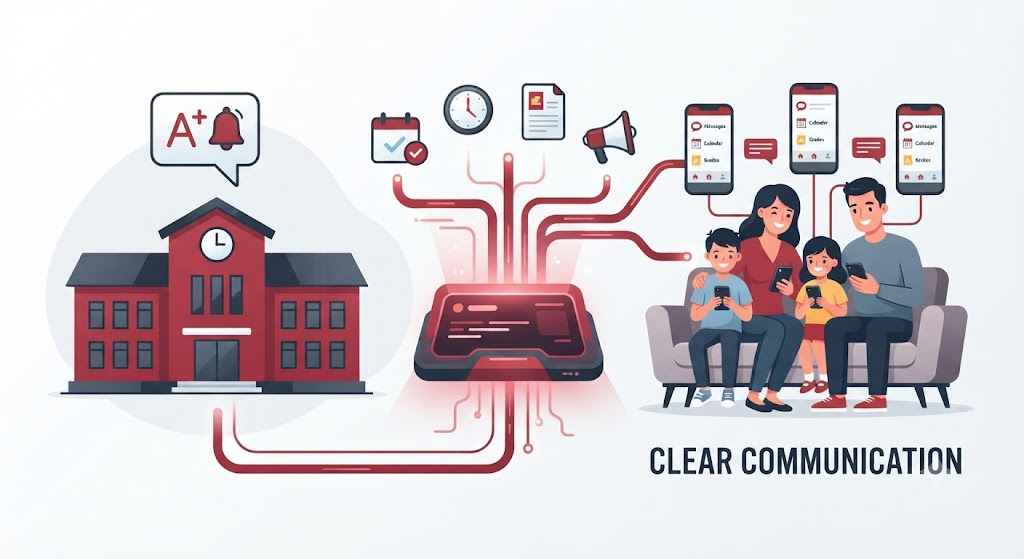
Transparent communication is the lifeblood of successful remote teams. Leaders should prioritize clarity by regularly scheduling virtual meetings and one-on-one consultations. Engaging your remote team in meaningful conversations can help them feel valued and ensure that their opinions are heard, both of which are essential for collaboration in a hybrid environment.
Setting Clear Goals and Expectations
Vague objectives can impede productivity and lead to confusion. Leaders should draft precise goals, deadlines, and key performance indicators to guide their teams effectively. Such clarity allows team members to understand their roles and how their contributions fit into the larger organizational goals.
Cultivating a Positive Team Culture
A thriving team culture is vital for promoting engagement and collaboration. Leaders should organize virtual team-building activities to build relationships among team members. These can help break down barriers, create a sense of belonging, and make remote workers feel more connected to their colleagues. When team members have strong relationships, they are more likely to be engaged and committed to their work, which ultimately benefits the organization as a whole.
Investing in Technology and Infrastructure
Leaders should allocate resources to secure communication and collaboration tools that facilitate seamless interactions among hybrid teams. The right technology can bridge the gap between in-person and remote employees, as well as ensure that everyone stays connected and informed.
Supporting Work-Life Balance
Promoting a healthy work-life balance is essential for enhancing employee well-being and performance. Leaders must encourage their teams to take time off every once in a while and embrace flexible working hours. Research shows that remote workers often report higher job satisfaction compared to their in-office counterparts.
Addressing Issues Promptly
Effective leaders are proactive in providing support and resources to tackle challenges as they arise. Moreover, addressing issues promptly is essential for maintaining team morale. A leader who can overcome obstacles with agility instills confidence in their team.
Advocating for Continuous Learning
Ongoing education is very important for boosting remote team performance. Leaders should offer access to courses and seminars that enhance their team's skills and knowledge. Investing in professional development improves individual performance and strengthens the team as a whole.
The Growing Demand for Remote Talent
While leaders adapt their styles to effectively manage remote teams, they must also stay informed about employment trends that could impact their workforce. Understanding these trends can help leaders find remote job opportunities that align with their organizational goals. For instance, the healthcare sector is experiencing significant growth, which creates a wealth of opportunities for skilled professionals. Leaders can better position their teams for success and ensure they attract top talent in a competitive job market by keeping an eye on these employment trends.
How to Thrive in the Hybrid Era
Effective leadership is about embracing innovation while promoting a supportive and engaging work environment. The flexibility offered by hybrid work models can improve employee experience, create better team collaboration (when done right), and boost overall productivity. The ability to adapt to ongoing changes and evolving trends is, therefore, essential for consistently reaching organizational goals. Consequently, it is imperative for leaders to recognise the value of a remote and hybrid workforce and implement the measures discussed here to get the most out of the modern work environment.
In conclusion, leading remote teams in a hybrid work environment requires adaptability, transparency, and a deep understanding of the evolving workplace landscape. Leaders must prioritize open communication, set clear expectations, and cultivate a positive team culture to keep remote employees engaged and productive. By investing in the right technology, supporting work-life balance, and promoting continuous learning, leaders can create an environment where both in-office and remote workers thrive. As the demand for remote talent grows, those who embrace these strategies will be better equipped to navigate the future of work and drive their teams toward long-term success.
| About the Author | Mike Infante | Content creator | Mike Infante, copywriter and content creator for JobSpace, a job seeker and recruitment platform based in New Zealand. |
 Explore more on these topics



























 Guest Blogging: The Definitive Guide

 Top Trending Topics
 Share This
 Link copied!
 Recently Updated News
 thực chiến - Kiến tạo tương lai cho các nhà sáng tạo nội dung.