



Four Toxic Traits in People That Keep You Stagnant
Last updated: December 11, 2024 Read in fullscreen view


 Recommended for you
- 18 Oct 2020
 How to use the "Knowns" and "Unknowns" technique to manage assumptions 163/1257
 - 19 Oct 2021 Software development life cycles 143/821
- 13 Oct 2021 Outsourcing Software Development: MVP, Proof of Concept (POC) and Prototyping. Which is better? 126/602
- 04 Oct 2021 Product Validation: The Key to Developing the Best Product Possible 122/430
- 07 Oct 2025 Case Study: Using the “Messaging House” Framework to Build a Digital Transformation Roadmap 121/200
- 11 Jan 2024 What are the Benefits and Limitations of Augmented Intelligence? 119/605
- 13 Dec 2020 Move fast, fail fast, fail-safe 117/456
- 18 Aug 2022 What are the consequences of poor requirements with software development projects? 116/384
- 06 Feb 2021 Why fail fast and learn fast? 113/588
- 01 Oct 2020 Fail fast, learn faster with Agile methodology 112/1186
- 12 Oct 2022 14 Common Reasons Software Projects Fail (And How To Avoid Them) 108/673
- 12 Aug 2024 Understanding Google Analytics in Mumbai: A Beginner's Guide 106/213
- 28 Jul 2022 POC, Prototypes, Pilots and MVP: What Are the Differences? 100/840
- 14 Mar 2024 Why should you opt for software localization from a professional agency? 100/239
- 23 Sep 2021 INFOGRAPHIC: Top 9 Software Outsourcing Mistakes 98/521
- 12 May 2024 The Pros and Cons of the Creator Economy in the Age of AI: Opportunities, Challenges, and the Gray Zone with the Gig Economy 97/366
- 12 Dec 2021 Zero Sum Games Agile vs. Waterfall Project Management Methods 95/509
- 31 Aug 2022 What are the best practices for software contract negotiations? 95/366
- 14 Oct 2021 Advantages and Disadvantages of Time and Material Contract (T&M) 92/985
- 05 Sep 2023 The Cold Start Problem: How to Start and Scale Network Effects 91/288
- 18 Sep 2024 11 Psychological Defense Mechanisms and How to Recognize Them 87/283
- 05 Mar 2021 How do you minimize risks when you outsource software development? 86/419
- 28 Dec 2021 8 types of pricing models in software development outsourcing 86/520
- 08 Oct 2022 KPI - The New Leadership 85/692
- 06 Mar 2024 [SemRush] What Are LSI Keywords & Why They Don‘t Matter 79/281
- 10 Nov 2022 Poor Code Indicators and How to Improve Your Code? 79/296
- 01 Dec 2023 Laws of Project Management 78/393
- 19 Oct 2021 Is gold plating good or bad in project management? 78/909
- 10 Dec 2023 Pain points of User Acceptance Testing (UAT) 77/535
- 17 Feb 2022 Prioritizing Software Requirements with Kano Analysis 75/379
- 18 Jul 2021 How To Ramp Up An Offshore Software Development Team Quickly 73/665
- 19 Apr 2021 7 Most Common Time-Wasters For Software Development 72/617
- 03 Feb 2024 "Kham Nhẫn" in Business: A Guide to Patience and Resilience 71/234
- 04 Oct 2022 Which ERP implementation strategy is right for your business? 70/430
- 01 May 2024 Warren Buffett’s Golden Rule for Digital Transformation: Avoiding Tech Overload 69/277
- 01 Mar 2023 Bug Prioritization - What are the 5 levels of priority? 68/297
- 12 Mar 2024 How do you create FOMO in software prospects? 67/240
- 23 May 2024 Mastering AI: Sharpening the Axe in the Digital Age 66/332
- 31 Oct 2021 Tips to Fail Fast With Outsourcing 65/456
- 05 Jan 2024 Easy ASANA tips & tricks for you and your team 60/258
- 28 Oct 2022 Build Operate Transfer (B.O.T) Model in Software Outsourcing 57/467
- 26 Dec 2023 Improving Meeting Effectiveness Through the Six Thinking Hats 53/329
- 06 Nov 2019 How to Access Software Project Size? 39/296
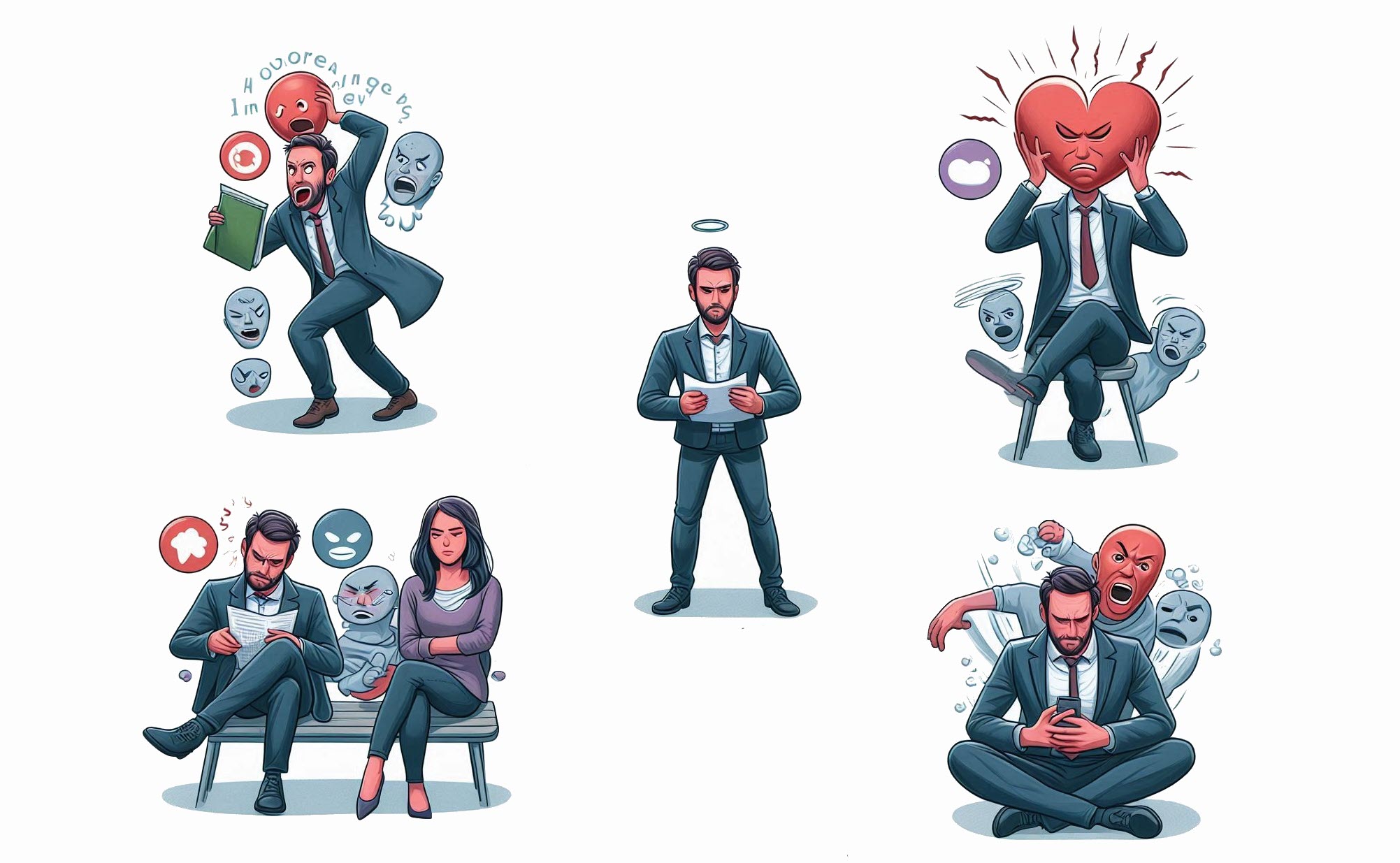
Four Toxic Traits in People That Keep You Stagnant
1. Lack of Emotional Intelligence
People with low emotional intelligence (EQ) struggle to understand others’ feelings and often criticize instead of offering support. This leads to misunderstandings and relationship tension. For example, when you share your sadness about a failure at work, a person lacking EQ might focus solely on criticizing you instead of listening and offering comfort.
2. Unable to Control Emotions
Those who can't manage their emotions often react with unnecessary anger, creating a tense and stressful environment. This lack of maturity can easily harm relationships. For example, a friend who can't control their anger might lash out over an ill-timed joke, causing tension in the relationship. As the saying goes, "a hot temper can ruin a relationship," "a careless word can harm you," and "trouble comes from the mouth."
3. Lack of Self-Awareness
People without self-awareness often fail to see the impact of their actions on others. They may unintentionally neglect or hurt those close to them, causing long-term damage to relationships. As the saying goes, "You can't see the forest for the trees." This means that a person is so focused on the details that they miss the bigger picture, emphasizing the importance of self-awareness to understand how one's actions affect others and the overall context of relationships.
4. Lack of Empathy
Without empathy, people can't connect deeply, leaving their partners feeling lonely or misunderstood. This creates a one-sided relationship dynamic. As the saying goes, "Walk a mile in someone else's shoes," highlighting the necessity of empathy in all relationships.
Choosing Healthy Relationships
To build strong connections, choose people with self-awareness, emotional control, and empathy. These qualities foster understanding and support, leading to happier, more fulfilling relationships. As the old saying goes, "a good fragrance spreads naturally," indicating that a healthy relationship will naturally radiate attraction and bring happiness to both sides.
Ms. Pham Tue Linh, TIGO Solutions
 Explore more on these topics




















 Guest Blogging: The Definitive Guide
 Top Trending Topics
 Share This
 Link copied!
 Recently Updated News