


Applying Cognitive Linguistics to Multi-Stakeholder Communication in IT Projects
Last updated: February 01, 2026 Read in fullscreen view


 Recommended for you
- 01 Aug 2024
 The Standish Group report 83.9% of IT projects partially or completely fail 795/2615
 - 13 Apr 2024 Lessons on Teamwork and Leadership from Chinese story book "Journey to the West" 262/1350
- 17 Oct 2022 What is the difference between low-end, mid-end and high-end solutions of project management software? 185/1659
- 02 Nov 2021 What is Terms of Reference (ToR)? 177/1755
- 18 Oct 2020 How to use the "Knowns" and "Unknowns" technique to manage assumptions 167/1261
- 20 Jan 2022 Difference between Bug, Defect, Error, Fault & Failure 163/1526
- 18 Mar 2022 Difference between Project Management and Management Consulting 157/517
- 30 Oct 2022 How Much Does MVP Development Cost in 2023? 156/417
- 03 Aug 2022 What Are OLAs? SLAs vs OLAs vs UCs: What’s The Difference? 154/1246
- 09 Jan 2022 How to Bridge the Gap Between Business and IT? 152/355
- 19 Oct 2021 Software development life cycles 144/822
- 07 Dec 2021 What's the difference between soft freeze, hard freeze and customization freeze? 137/1406
- 04 Oct 2021 Product Validation: The Key to Developing the Best Product Possible 130/438
- 01 Sep 2022 Facts Chart: Why Do Software Projects Fail? 130/725
- 13 Oct 2021 Outsourcing Software Development: MVP, Proof of Concept (POC) and Prototyping. Which is better? 129/606
- 21 Jun 2022 Difference between Quality and Grade 129/959
- 07 Oct 2025 Case Study: Using the “Messaging House” Framework to Build a Digital Transformation Roadmap 127/207
- 02 Jan 2024 What is User Provisioning & Deprovisioning? 126/719
- 23 Sep 2021 INFOGRAPHIC: Top 9 Software Outsourcing Mistakes 125/548
- 10 Apr 2022 Difference Between Forward and Backward Reasoning in AI 124/1860
- 15 Aug 2024 Digital Governance vs IT Governance: What’s the Difference and Why It Matters 124/200
- 18 Aug 2022 What are the consequences of poor requirements with software development projects? 122/390
- 13 Dec 2020 Move fast, fail fast, fail-safe 119/460
- 11 Jan 2024 What are the Benefits and Limitations of Augmented Intelligence? 119/605
- 23 Jun 2024 Best Practices for Managing Project Escalations 118/323
- 06 Feb 2021 Why fail fast and learn fast? 116/592
- 01 Oct 2020 Fail fast, learn faster with Agile methodology 115/1189
- 10 Apr 2021 RFP vs POC: Why the proof of concept is replacing the request for proposal 115/442
- 15 Sep 2022 CRM vs CDP: What's the difference? 114/416
- 15 Aug 2023 Production-Ready vs Feature-Complete: What’s the Difference? 114/368
- 12 Oct 2022 14 Common Reasons Software Projects Fail (And How To Avoid Them) 112/677
- 02 May 2022 Difference between CapEx vs. OpEx: Two Ways to Finance Your Software Project 111/1738
- 12 Aug 2024 Understanding Google Analytics in Mumbai: A Beginner's Guide 110/217
- 01 Mar 2024 10 Project Management Myths 109/283
- 28 Jul 2022 POC, Prototypes, Pilots and MVP: What Are the Differences? 109/850
- 02 May 2022 What Is RAID in Project Management? (With Pros and Cons) 107/954
- 05 May 2022 DAM vs. CMS: What's the difference? 107/603
- 06 Jun 2024 Software Upgrade vs Software Update: What is the difference? 105/361
- 09 Dec 2021 Customer Service vs Technical Support: What’s The Difference? 104/425
- 03 Apr 2022 Microsoft Solutions Framework (MSF) 103/1446
- 14 Mar 2024 Why should you opt for software localization from a professional agency? 102/241
- 12 Aug 2022 What is End-to-end project management? 102/609
- 07 Jul 2021 The 5 Levels of IT Help Desk Support 102/578
- 15 Jan 2026 ITIL vs PMP: What’s the Difference and Which One Should You Choose? 101/139
- 10 Dec 2025 The Evolution of Isolation: The Global Rise of Hikikomori and Digital Withdrawal 100/123
- 18 Oct 2024 IT Governance, IT Management and IT Outsourcing: What’s the Difference? 99/155
- 02 Nov 2021 Difference between an ESTIMATE and a QUOTE 99/454
- 08 Nov 2022 4 tips for meeting tough deadlines when outsourcing projects to software vendor 98/388
- 16 Feb 2021 Choose Outsourcing for Your Non Disclosure Agreement (NDA) 98/268
- 14 Oct 2021 Advantages and Disadvantages of Time and Material Contract (T&M) 98/992
- 03 Dec 2025 IT Outsourcing Solutions Explained: What, How, Why, When 98/130
- 31 Aug 2022 What are the best practices for software contract negotiations? 97/371
- 10 Nov 2021 PoC vs. Prototype vs. MVP: What’s the difference? 97/933
- 03 Jan 2023 Organizing your agile teams? Think about M.A.T (Mastery, Autonomy, Purpose) 97/494
- 12 Dec 2021 Zero Sum Games Agile vs. Waterfall Project Management Methods 96/510
- 25 Jan 2022 What is the difference between Outsourcing and Outstaffing? 94/460
- 02 Nov 2022 Difference between Change Management and Project Management 94/326
- 05 Sep 2023 The Cold Start Problem: How to Start and Scale Network Effects 93/291
- 18 Sep 2024 11 Psychological Defense Mechanisms and How to Recognize Them 93/290
- 07 Aug 2022 Things to Consider When Choosing a Technology Partner 92/375
- 28 Dec 2021 8 types of pricing models in software development outsourcing 92/526
- 05 Mar 2021 How do you minimize risks when you outsource software development? 91/424
- 24 Nov 2021 What is the difference between off-the-shelf software and customized software? 90/571
- 09 May 2022 Build one to throw away vs Second-system effect: What are differences? 88/399
- 08 Oct 2022 KPI - The New Leadership 87/696
- 10 Apr 2024 The Parking Lot Method: Unlocking a Simple Secret to Supercharge Your Productivity 86/607
- 01 Aug 2022 Is planning "set it and forget it" or "set it and check it"? 85/382
- 01 Apr 2022 Dedicated Team vs. Extended Team: What’s the difference? 85/411
- 22 May 2022 What are common mistakes that new or inexperienced managers make? 84/365
- 19 Oct 2021 Is gold plating good or bad in project management? 84/915
- 17 Feb 2022 Prioritizing Software Requirements with Kano Analysis 83/387
- 09 Feb 2023 The Challenge of Fixed-Bid Software Projects 83/332
- 10 Nov 2022 Poor Code Indicators and How to Improve Your Code? 82/299
- 06 Mar 2024 [SemRush] What Are LSI Keywords & Why They Don‘t Matter 82/284
- 17 Oct 2021 Does Fast Tracking increase project cost? 81/461
- 10 Dec 2023 Pain points of User Acceptance Testing (UAT) 80/541
- 18 Dec 2023 The Cone of Uncertainty in Scrum & Requirement Definition 80/815
- 01 Dec 2023 Laws of Project Management 79/394
- 14 Jun 2022 Example and Excel template of a RACI chart in Software Development 79/952
- 07 Dec 2023 12 project management myths to avoid 78/270
- 07 Jul 2022 Managing Project Execution Terms 76/483
- 18 Oct 2021 Key Elements to Ramping Up a Large Team 76/1336
- 18 Jul 2021 How To Ramp Up An Offshore Software Development Team Quickly 76/668
- 18 Feb 2026 "Hit and Run" Project Management: Balancing Speed with Sustainability 75/101
- 03 Nov 2022 Top questions and answers you must know before ask for software outsourcing 73/358
- 19 Apr 2021 7 Most Common Time-Wasters For Software Development 72/617
- 01 Feb 2022 Outstaffing Vs. Outsourcing: What’s The Difference? 72/660
- 12 Mar 2024 How do you create FOMO in software prospects? 72/246
- 01 Mar 2023 Bug Prioritization - What are the 5 levels of priority? 71/300
- 03 Feb 2024 "Kham Nhẫn" in Business: A Guide to Patience and Resilience 71/234
- 04 Oct 2022 Which ERP implementation strategy is right for your business? 70/430
- 16 Apr 2021 Insightful Business Technology Consulting at TIGO 69/524
- 01 May 2024 Warren Buffett’s Golden Rule for Digital Transformation: Avoiding Tech Overload 69/277
- 10 Jul 2025 Building AI-Driven Knowledge Graphs from Unstructured Data 68/230
- 31 Oct 2021 Tips to Fail Fast With Outsourcing 68/459
- 27 Jan 2020 Should a project manager push developers to work more hours due to mistakes of manager schedule setting? 68/509
- 06 Mar 2021 4 things you need to do before getting an accurate quote for your software development 65/762
- 02 Dec 2021 3 Ways to Avoid Scope Creep in IT Consulting 65/274
- 20 Nov 2022 Software Requirements Are A Communication Problem 65/307
- 15 May 2022 20 Common Mistakes Made by New or Inexperienced Project Managers 64/347
- 07 Oct 2022 Digital Transformation: Become a Technology Powerhouse 63/310
- 24 Nov 2023 The project management paradox: Achieving MORE by doing LESS 63/293
- 05 Jun 2023 Fractional, Part-Time (virtual) or Interim CTO: Who Will Cover Your Business Needs? 62/205
- 06 Jun 2022 Change Management at the Project Level 61/367
- 20 Jul 2022 Software Myths and Realities 61/1002
- 28 Oct 2022 Build Operate Transfer (B.O.T) Model in Software Outsourcing 60/470
- 26 Sep 2024 Successful Project Management Techniques You Need to Look Out For 60/457
- 05 Jan 2024 Easy ASANA tips & tricks for you and your team 60/258
- 01 May 2023 CTO Interview Questions 60/395
- 02 Jun 2024 Reviving Ancient Wisdom: The Spiritual Side of Project Management 59/322
- 13 Jan 2020 Quiz: Test your understanding project cost management 55/701
- 10 May 2022 Levels of Teamwork 55/250
- 30 Nov 2023 Project Managers, Focus on Outcomes — Not Deliverables 55/216
- 26 Dec 2023 Improving Meeting Effectiveness Through the Six Thinking Hats 54/330
- 09 Mar 2022 Consultant Implementation Pricing 49/261
- 21 Jun 2024 Dead Horses and the Escalation of Commitment 48/186
- 01 Mar 2023 How do you deal with disputes and conflicts that may arise during a software consulting project? 47/207
- 06 Nov 2019 How to Access Software Project Size? 45/303
- 06 Mar 2024 Most Common Software Development Methodologies 44/206
- 17 Mar 2025 IT Consultants in Digital Transformation 41/131
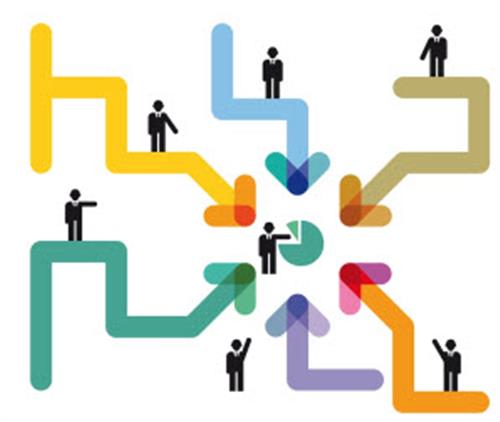
In complex IT projects, communication is rarely a simple exchange of information. Business Analysts (BAs), Product Owners, stakeholders, developers, and testers often use the same words but mean different things. Many project failures are not caused by technical gaps, but by cognitive mismatches - differences in how people conceptualize problems, solutions, and value.
This is where Cognitive Linguistics becomes a powerful, practical tool.
What Is Cognitive Linguistics (and Why It Matters at Work)?
Cognitive Linguistics studies how language reflects the way humans think, perceive, and structure reality. It emphasizes that meaning is not fixed in words themselves, but constructed through mental models shaped by experience, role, and context.
In an IT project:
- A stakeholder talks in terms of business outcomes
- A BA thinks in processes and rules
- A Product Owner focuses on value and prioritization
- Developers reason in systems and constraints
Cognitive Linguistics helps bridge these perspectives by making implicit mental models explicit.
Mental Models: The Real Source of Misalignment
Each role in a project operates with a different mental model:
- Stakeholders: “Will this solve my business problem?”
- BA: “What are the requirements and edge cases?”
- Product Owner: “Does this maximize value now?”
- Developers: “How does this work technically?”
Problems arise when teams assume these models are shared - when they are not.
A classic example:
- To a stakeholder, “simple” may mean low business risk.
- To a developer, it may mean low technical complexity.
- To a BA, it may mean few rules.
Cognitive Linguistics teaches us to probe meaning, not accept words at face value.
Conceptual Metaphors in Project Communication
One of the most useful ideas in Cognitive Linguistics is conceptual metaphor - we understand abstract concepts through familiar frames.
Common project metaphors include:
- “The system is a pipeline”
- “This feature is a building block”
- “We need a roadmap”
- “Technical debt is interest we pay later”
Miscommunication happens when people use the same metaphor but imagine different structures.
Effective communicators:
- Identify the metaphor being used
- Check whether others share the same interpretation
- Replace unclear metaphors with concrete examples when needed
Framing and Perspective: Same Facts, Different Meaning
Framing refers to how information is presented and which aspects are highlighted.
For example:
- “This change will delay delivery by two weeks”
- “This change will reduce post-release defects by 40%”
Both statements can describe the same reality - but trigger different reactions depending on the listener’s priorities.
Cognitive Linguistics helps project leaders:
- Frame messages differently for different roles
- Align language with what each audience values
- Reduce emotional resistance caused by poor framing
Prototypical Thinking: Not All Requirements Are Equal
Humans think in prototypes, not rigid categories. When a stakeholder says “report,” they usually imagine a typical report - not every possible variation.
BAs and Product Owners can apply this insight by:
- Asking for examples before edge cases
- Identifying the “core” use case first
- Gradually expanding the scope rather than defining everything upfront
This reduces analysis paralysis and keeps discussions grounded.
Practical Techniques for IT Projects
Here are concrete ways to apply Cognitive Linguistics in daily project work:
-
Ask meaning-clarifying questions
“When you say done, what does that look like in practice?” -
Mirror language, then refine it
Restate what someone said using their words, then adjust for precision. -
Translate between mental models
Convert business language into system behavior - and vice versa. -
Use scenarios instead of abstractions
Humans understand stories better than specifications. -
Slow down critical terms
Words like simple, urgent, critical, value deserve clarification.
Cognitive Linguistics as a Soft Skill with Hard Impact
Cognitive Linguistics is not about using sophisticated vocabulary. It is about listening for how people think, not just what they say.
In multi-stakeholder IT projects, those who master this skill:
- Reduce rework caused by misunderstandings
- Build trust across roles
- Make better decisions under ambiguity
- Act as true communication bridges within the project
Ultimately, successful delivery depends less on perfect documentation and more on shared understanding - and shared understanding begins in the mind, not in the tools.
 Explore more on these topics























 Guest Blogging: The Definitive Guide

 Top Trending Topics
 Share This
 Link copied!
 Recently Updated News