


Top Workflow Automation Services Driving Digital Transformation
Last updated: February 04, 2026 Read in fullscreen view


 Recommended for you
- 05 Oct 2025
 The New Facebook Algorithm: A Paradigm Shift in Content Discovery 279/341
 - 14 Jan 2026 How to Evaluate the Business and Productivity Software Company Seismic on RFP AI Agent Use Cases 248/299
- 21 Dec 2023 Top 12 Low-Code Platforms To Use in 2024 216/1512
- 23 Dec 2025 Microsoft Power Automate vs. n8n: What’s the Real Difference? 212/338
- 01 Dec 2025 Manufacturing 4.0: AI Agents Enabling Self-Optimizing Production Systems 173/234
- 03 Oct 2025 Top CMS Trends 2026: The Future of Digital Content Management 165/195
- 21 Nov 2025 Top 8 Cloud Transformation Companies in USA in 2026 162/218
- 25 Mar 2026 Token Bills: The "Cost Shock" After the AI Boom in Companies 162/185
- 31 Dec 2025 10 Skills to Make You "Irreplaceable" in the Next 3 Years (even if AI changes everything) 157/187
- 20 Dec 2025 The Future of IT Consulting: Key Trends for 2026–2030 155/198
- 19 Oct 2021 Software development life cycles 144/822
- 26 Mar 2026 What Is a System Integrator (SI)? Why the Software Subscription Model Is Becoming the New Standard 142/176
- 06 Nov 2025 DataOps: The Next Frontier in Agile Data Management 139/198
- 18 Jul 2024 The 8 Best ways to Innovate your SAAS Business Model in 2024 136/391
- 04 Oct 2021 Product Validation: The Key to Developing the Best Product Possible 131/439
- 18 Dec 2025 EOS as a Business Operating System: Powerful, but Not Always Plug-and-Play 131/184
- 13 Oct 2021 Outsourcing Software Development: MVP, Proof of Concept (POC) and Prototyping. Which is better? 129/606
- 07 Oct 2025 Case Study: Using the “Messaging House” Framework to Build a Digital Transformation Roadmap 127/207
- 31 Jul 2025 Top WooCommerce Pre-Order Plugins with Countdown & Discounts 127/224
- 22 Dec 2025 The Role of Automotive Software in Building Smarter Vehicles 117/159
- 04 Mar 2026 CRM Trends Shaping Customer Engagement in 2026 117/145
- 20 Feb 2025 How Machine Learning is Shaping the Future of Digital Advertising 114/236
- 21 Aug 2023 30 Must-Know IT Consulting Buzzwords Explained 113/141
- 12 Oct 2022 14 Common Reasons Software Projects Fail (And How To Avoid Them) 112/677
- 12 Aug 2024 Understanding Google Analytics in Mumbai: A Beginner's Guide 110/217
- 27 Jul 2024 Positive Psychology in the Digital Age: Future Directions and Technologies 109/538
- 28 Jul 2022 POC, Prototypes, Pilots and MVP: What Are the Differences? 109/850
- 16 Aug 2022 What is a Headless CMS? 108/394
- 16 Aug 2022 What is a Headless CMS? 108/394
- 08 Apr 2026 Top AI Agent Development Companies for Manufacturing Industry (2026) 107/135
- 16 Dec 2025 Reducing Cognitive Friction in Software Development: A Guide to Faster, Happier Teams 104/177
- 06 Jan 2026 Risk & Change Management Through the 3P Model 103/148
- 09 Oct 2024 Are Expensive CRM Systems Really Worth It? 103/198
- 02 Dec 2024 The Intersection of AI and Business Analytics: Key Concepts to Master in Your Business Analytics Course 103/398
- 03 Jan 2024 Why Partnership is important for Growth? 102/260
- 16 Sep 2022 Examples Of Augmented Intelligence In Today’s Workplaces Shaping the Business as Usual 99/535
- 15 Dec 2025 What Does ERP-Friendly Mean? A Practical Guide for Modern Enterprises 99/143
- 16 Sep 2022 Examples Of Augmented Intelligence In Today’s Workplaces Shaping the Business as Usual 99/535
- 11 Oct 2022 Why choose Billable Viable Product (BVP) over Minimum Viable Product (MVP) 98/440
- 31 Aug 2022 What are the best practices for software contract negotiations? 97/371
- 12 Dec 2021 Zero Sum Games Agile vs. Waterfall Project Management Methods 96/510
- 18 Jan 2024 Self-healing code is the future of software development 95/312
- 09 Sep 2025 Aligning BI Dashboards with KPIs: A Business + Data Collaboration Guide 95/183
- 20 Aug 2025 What Is Agentic AI? The Next Phase of Artificial Intelligence 95/255
- 25 Jan 2025 The Decline of Traditional SaaS and the Rise of AI-first Applications 93/198
- 05 Sep 2023 The Cold Start Problem: How to Start and Scale Network Effects 93/291
- 25 Sep 2024 Enhancing Decision-Making Skills with an MBA: Data-Driven Approaches for Business Growth 93/300
- 05 Mar 2021 How do you minimize risks when you outsource software development? 91/424
- 23 Jun 2025 AI Avatars in the Metaverse: How Digital Beings Are Redefining Identity and Social Interaction 89/276
- 30 Jul 2024 The Future of IT Consulting: Trends and Opportunities 83/295
- 06 Mar 2024 [SemRush] What Are LSI Keywords & Why They Don‘t Matter 82/284
- 31 Dec 2023 Software Development Outsourcing Trends to Watch Out for in 2024 81/311
- 22 Nov 2024 The Role of AI in Enhancing Business Efficiency and Decision-Making 81/276
- 01 Dec 2023 Laws of Project Management 79/394
- 18 Aug 2024 The Future of Web Development: Emerging Trends and Technologies Every Developer Should Know 78/273
- 03 Nov 2023 Why Is Billable Viable Product An Alternative To Minimum Viable Product? 77/268
- 31 Dec 2022 The New Normal for Software Development 76/429
- 18 Jul 2021 How To Ramp Up An Offshore Software Development Team Quickly 76/668
- 10 Sep 2024 Leading Remote Teams in Hybrid Work Environments 76/220
- 27 Feb 2025 How AI Agents are Changing Software Development? 74/311
- 19 Dec 2023 How AI is Transforming Software Development? 73/366
- 04 Oct 2022 Which ERP implementation strategy is right for your business? 70/430
- 03 May 2024 The Iceberg of Ignorance 69/497
- 01 May 2024 Warren Buffett’s Golden Rule for Digital Transformation: Avoiding Tech Overload 69/277
- 09 Oct 2024 Short-Form Video Advertising: The Secret to Captivating Your Audience 68/200
- 05 Oct 2021 Shiny Object Syndrome: Why Your Business Isn't "Going Digital" 63/444
- 15 Aug 2025 Quantum Technology: Global Challenges and Opportunities for Innovators 61/193
- 28 Oct 2022 Build Operate Transfer (B.O.T) Model in Software Outsourcing 60/470
- 10 Sep 2024 AI in Email Marketing: Personalization and Automation 55/232
- 01 May 2023 Understanding Business as Usual (BAU) and How to Transition 52/1174
- 25 Jun 2026 Vercel: The "Secret Weapon" for Modern, High-Performance Web Deployment 49/54
- 31 Dec 2022 Future of Software Development Trends and Predictions 48/199
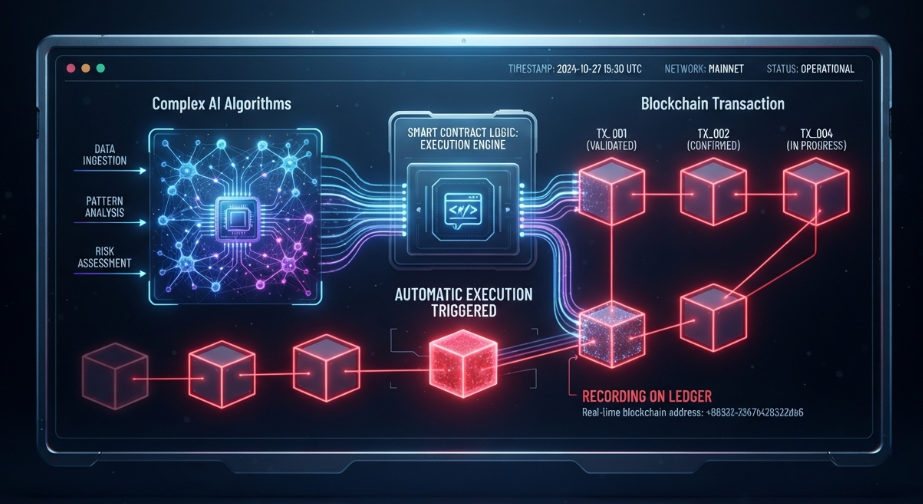
Today’s hypercompetitive environment means that businesses looking to succeed must prioritize digital transformation as part of their overall strategy; businesses no longer question whether or not they should evolve their operation with digital tech but instead focus on how quickly they can convert traditional business practices into modern-style technology applications without jeopardizing either productivity or customer satisfaction. Workflow automation services have proven themselves time and again to be one of the best enablers for a company's transformation by replacing long/slow manual, fragmented business models with fast/easy accessible, data-driven business processes. In addition, automation is now viewed as a necessity for companies located in the US and worldwide and is considered a strategic necessity rather than just a technology upgrade.
This detailed report will discuss the leading workflow automation technologies that are driving digital transformation for companies today, together with their business impact; furthermore, how companies can successfully implement digital automation solutions using a structured & scalable manner.
Defining Workflow Automation
Workflow automation is the usage of software solutions, such as intelligent technology, to build, manage and operate a business process with little to no human interaction. Automated workflows create an environment where tasks can flow smoothly between individuals, systems and departments as opposed to requiring a manual process such as emails, spreadsheets, etc.
Why Now Is the Time to Automate Your Business
In today's world, your business faces unique challenges such as remote/office work, high customer demands, compliance with regulations and complicated operations. Automation helps you combat these issues by allowing you to:
- Eliminate the potential for errors due to manual work
- Decrease your processing time dramatically
- Gain insight into your operations
- Position for future growth
Today, organizations leverage automation not only in IT, but also typically throughout finance, HR, sales, marketing, operations and customer service.
Workflow Automation as an Agent of Change Through Digital Transformation
The essence of digital transformation is to rethink how businesses operate and create ways for them to use technology as an enabler. By integrating people, data, and systems into seamless processes (workflow) around a common purpose (automation), organizations will have the opportunity to drive innovation in an agile/controlled manner.
These are the positive impacts organizations can achieve from automation:
- Quicker and more effective decision making
- Reduced operational costs
- Improved experiences for both customers and employees
- Increased ability/ speed to deliver change
Organizations will innovate when they have been able to constantly provide the same level of quality, consistency, and repeatability.
Core Workflow Automation Services Change The Way Organizations Work
Organizations utilize many different types of workflow automation (WA) services for different reasons, as seen below. The table below provides examples of key WA services that provide the most significant impact for organizations digitally transforming.
Key Workflow Automation Services and Expected Impacts
| Automation Service | Description | Business Impact |
|---|---|---|
| Business Process Automation (BPA) | Automation of end-to-end business processes throughout an organization | Standardization, efficiency |
| Robotic Process Automation (RPA) | Automation of repetitive tasks through software robots that use defined business rules to imitate human interactions with applications | Reduction of time to create, cost to create & have processes outputted |
| Intelligent Document Processing (IDP) | Utilizing Artificial Intelligence (AI) & Natural Language Processing (NLP) technologies to extract and process data from documents | Accuracy, compliance |
| Workflow Orchestration | Automation integration that combines multiple systems into one unified process | Reduction of structural barriers to productivity |
| Low-Code Automation Platforms | Non-technical users can create automated workflows without traditional programming by using LCAP’s low-code development functionality | Reduction of time to deploy |
These services are critical to the overall goal of building a digitally mature organization.
Business Process Automation: Creating a Strong Foundation
BPA focuses on optimizing entire workflows rather than isolated tasks. This ensures processes are designed holistically, from initiation to completion.
Common BPA Use Cases
- Employee onboarding and offboarding
- Procurement and purchase approvals
- Financial reporting and compliance workflows
- Vendor and contract management
By automating these processes, organizations gain transparency, consistency, and better governance.
Creating A Foundation For Automation Of Business Processes
Instead of just working on one thing at a time, BPA wants to enhance everything involved in the process of doing something as an isolated activity by enhancing all of the steps from beginning to end with respect to how to perform that same thing.
Some Examples of BPA Include:
- Employee Onboarding/Account Deactivation
- Purchasing Request Processing/Validation
- Financial Documentation/Reports Compliance with Regulations and Standards
- Vendors/Contract Management
By putting automation into action throughout your company, you will realize greater transparency, consistency and organizational improvements to the governance of your company.
Intelligent Document Processing: Making Data into Knowledge
As a number of different business operations depend on unstructured data - such as invoices, contracts, forms and many others – IDP uses AI, machine learning and optical character recognition to convert these types of documents to structured value.
Intelligent Document Processing Benefits
- Fast Document Processing Cycle Times,
- Minimizing Manual Reviews to the fullest,
- Higher Quality Data,
- Optimal Audit & Compliance Performance.
The finance, healthcare/medical, insurance, and legal service sectors are all able to realize large felt benefits from IDP.
Information Integration of Workflows Orchestrated
Integration across digital tools has created a large challenge in the industry for many organisations. As a solution to this issue, workflow orchestration provides an avenue for all these systems to work together in an integrated fashion and ultimately support the goal of enabling end to end automation.
Workflow Orchestration Results Across All Departments
| Department | Result of Automation |
|---|---|
| Sales | Quicker Lead Routing & CRM Updates |
| Marketing | Automated Campaign Implementation |
| Finance | Streamlined Approvals & Reporting |
| Human Resources | Consistent Lifecycle Employee Workflow |
| Operations | Real-Time Visibility to all Processes |
Bottlenecks will be eliminated and cross-departmental collaboration will be greatly improved with orchestration.
Low-Code Automation: Empowering the Enterprise
By providing tools that allow business users to create or change their workflow without a high level of technical knowledge, low-code-and no-code platforms are making it possible for business users to build and change the processes that define how their work is done.
Why Low-Code Automation Is Important
- Reduced Dependency on IT Teams
- Acceleration of Innovation
- Promotion of Continuous Improvement
The democratization of automation through low code/no code automation enables agility while still providing mechanisms for ensuring governance and compliance.
Automation Partners: The Strategic Role
Automation provides a powerful means for organizations to enhance productivity, but the efficacy of that automation will be dependent upon the organization's overall strategy for project execution and management of the change that results from the deployment of the automation. Many companies engage the services of a workflow automation partner to ensure that their automation initiatives meet their business goals.
What a Workflow Automation Partner Provides:
A workflow automation partner can provide an organization with:
- Process discovery and optimization
- Technical integration capabilities
- Security and compliance requirements best-practices
- Ongoing monitoring and optimization
Working together with a workflow automation partner will help to lower the risk for your organization by accelerating the time to realization of value.
When Strategic Workflow Consulting is Necessary
Not all processes are eligible for immediate automation. Through strategic workflow consulting, organizations can identify which processes will yield the most benefit through the use of automation.
Key Benefits of Strategic Workflow Consulting
- Establishes high ROI (return on investment) opportunities for automation;
- Avoids over-automating processes;
- Creates scalable roadmaps for automation.
In addition to automating processes, the use of workflow consulting will also assist organizations with their ongoing efforts to continuously improve their processes as well as optimize them.
Choose a Suitable Method of Automating Workflows
No two organizations are the same; thus, determining which is appropriate depends on properly understanding the organization's purpose, current software systems, and their overall level of experience.
Key Elements to Evaluate
- Industry experience & domain knowledge
- Ability to integrate into existing systems
- Ability to grow/flexibly adjust over time
- Ability to securely meet compliance requirements
- Possibility of Optimization and Technical Support
Using this approach gives an organization a structured way to ensure that workflow automation continues to be a valuable resource for the organization long after automation takes place.
The Automated Future of Workflows
Improvements are made to automated workflows by advances in AI, analytics, and machine learning. Current trends in this area of technology include:
- Predictive workflows that can automatically change as things happen
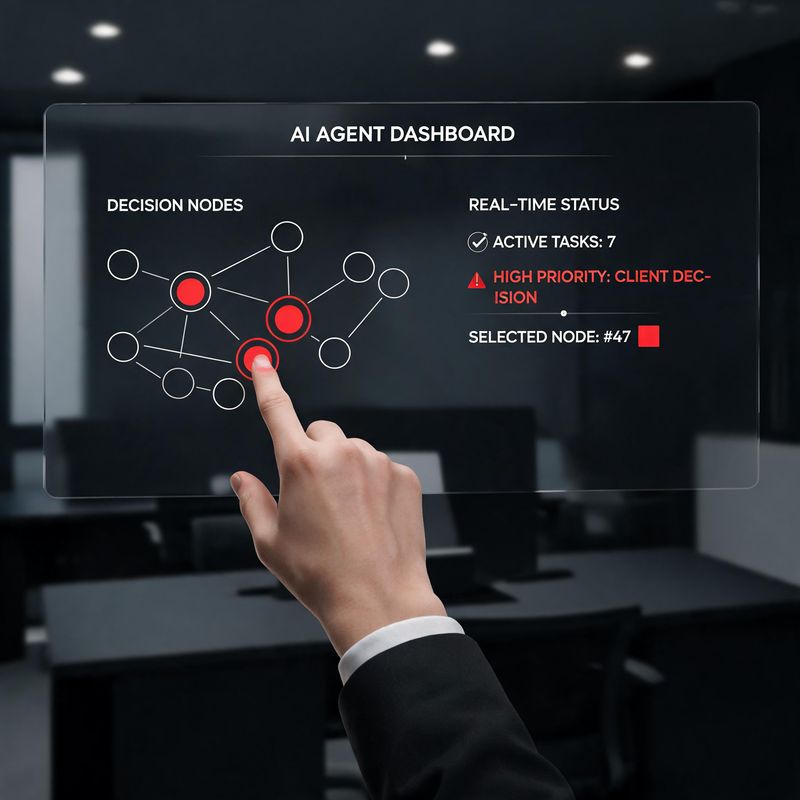
- Workflow decisions made automatically by Artificial Intelligence
- Hyper-automation of an entire value chain through a common automation platform
If you are an organization early adopter of these technologies, you will get a long-term, durable advantage over your competitors.
Final Thoughts: From Automating Workflows to Continued Growth
Workflow automation is more than just about improving operational efficiency; it is also about building innovation and resilience within an organization through strategic use of automated processes. If you are looking to improve customer service, decrease costs and increase scalability, you can achieve this through the use of workflow automation.
Getting Started on Your Digital Transformation
Now is the ideal time for you to invest in streamlining your operations and removing inefficiencies to create a base for long-term growth within your organization. Find a partner who has the experience of working with automation technology and will help you implement intelligent workflows that produce results. To learn more about how automating workflows can change your business and help you achieve long-term success, contact us today!
Anil Parmar
CEO
Anil Parmar is the CEO of Glorywebs with over 13 years of experience in AI-powered software solutions, SaaS, digital marketing, and data engineering. He focuses on driving business growth through innovative, customer-centric strategies and shares practical insights to help businesses succeed in today’s competitive digital landscape.
 Explore more on these topics























 Guest Blogging: The Definitive Guide

 Top Trending Topics
 Share This
 Link copied!
 Recently Updated News