

"Hit and Run" Project Management: Balancing Speed with Sustainability
Published on: February 18, 2026
Last updated: February 20, 2026 Read in fullscreen view
Last updated: February 20, 2026 Read in fullscreen view

 Recommended for you
- 01 Aug 2024
 The Standish Group report 83.9% of IT projects partially or completely fail 808/2630
 - 13 Apr 2024 Lessons on Teamwork and Leadership from Chinese story book "Journey to the West" 271/1363
- 02 Nov 2021 What is Terms of Reference (ToR)? 180/1759
- 18 Oct 2020 How to use the "Knowns" and "Unknowns" technique to manage assumptions 169/1264
- 12 Jan 2026 Why YouTube Content Is the New Resume: Building Trust and Expertise Even Without Views 162/191
- 12 Apr 2025 How to Ask Powerful Questions Like Socrates 156/191
- 25 Sep 2018 Applying Cognitive Linguistics to Multi-Stakeholder Communication in IT Projects 149/202
- 23 Oct 2024 The Achilles Heel of Secure Software: When “Best-in-Class” Security Still Leads to System Collapse 146/197
- 02 Jan 2024 What is User Provisioning & Deprovisioning? 136/730
- 23 Sep 2021 INFOGRAPHIC: Top 9 Software Outsourcing Mistakes 129/552
- 18 Aug 2022 What are the consequences of poor requirements with software development projects? 126/394
- 07 Dec 2023 12 project management myths to avoid 121/313
- 10 May 2023 Distinguishing Between Best Fit, Worst Fit, First Fit, and Last Fit 121/188
- 11 Jan 2024 What are the Benefits and Limitations of Augmented Intelligence? 120/606
- 01 Oct 2020 Fail fast, learn faster with Agile methodology 120/1194
- 13 Dec 2020 Move fast, fail fast, fail-safe 120/461
- 23 Jun 2024 Best Practices for Managing Project Escalations 119/324
- 06 Feb 2021 Why fail fast and learn fast? 117/595
- 01 Mar 2024 10 Project Management Myths 114/288
- 02 May 2022 What Is RAID in Project Management? (With Pros and Cons) 110/963
- 03 Apr 2022 Microsoft Solutions Framework (MSF) 109/1453
- 15 Jan 2026 ITIL vs PMP: What’s the Difference and Which One Should You Choose? 107/147
- 14 Mar 2024 Why should you opt for software localization from a professional agency? 102/241
- 12 Aug 2022 What is End-to-end project management? 102/610
- 14 Oct 2021 Advantages and Disadvantages of Time and Material Contract (T&M) 99/997
- 03 Jan 2023 Organizing your agile teams? Think about M.A.T (Mastery, Autonomy, Purpose) 98/497
- 02 Nov 2022 Difference between Change Management and Project Management 98/330
- 19 Sep 2025 The Paradoxes of Scrum Events: When You “Follow the Ritual” but Lose the Value 98/143
- 28 Dec 2021 8 types of pricing models in software development outsourcing 96/530
- 09 May 2022 Build one to throw away vs Second-system effect: What are differences? 91/403
- 17 Feb 2022 Prioritizing Software Requirements with Kano Analysis 90/394
- 10 Apr 2024 The Parking Lot Method: Unlocking a Simple Secret to Supercharge Your Productivity 89/611
- 19 Oct 2021 Is gold plating good or bad in project management? 88/919
- 08 Oct 2022 KPI - The New Leadership 87/696
- 22 May 2022 What are common mistakes that new or inexperienced managers make? 87/368
- 10 Nov 2022 Poor Code Indicators and How to Improve Your Code? 85/302
- 01 Aug 2022 Is planning "set it and forget it" or "set it and check it"? 85/384
- 17 Oct 2021 Does Fast Tracking increase project cost? 84/469
- 14 Jun 2022 Example and Excel template of a RACI chart in Software Development 84/959
- 10 Dec 2023 Pain points of User Acceptance Testing (UAT) 83/544
- 18 Dec 2023 The Cone of Uncertainty in Scrum & Requirement Definition 82/818
- 18 Oct 2021 Key Elements to Ramping Up a Large Team 80/1342
- 12 Mar 2024 How do you create FOMO in software prospects? 78/252
- 07 Jul 2022 Managing Project Execution Terms 77/484
- 01 Mar 2023 Bug Prioritization - What are the 5 levels of priority? 75/304
- 19 Apr 2021 7 Most Common Time-Wasters For Software Development 72/617
- 31 Oct 2021 Tips to Fail Fast With Outsourcing 70/461
- 27 Jan 2020 Should a project manager push developers to work more hours due to mistakes of manager schedule setting? 68/509
- 15 May 2022 20 Common Mistakes Made by New or Inexperienced Project Managers 67/350
- 24 Nov 2023 The project management paradox: Achieving MORE by doing LESS 66/296
- 02 Dec 2021 3 Ways to Avoid Scope Creep in IT Consulting 65/274
- 02 Jun 2024 Reviving Ancient Wisdom: The Spiritual Side of Project Management 65/330
- 05 Jan 2024 Easy ASANA tips & tricks for you and your team 64/263
- 05 Jun 2023 Fractional, Part-Time (virtual) or Interim CTO: Who Will Cover Your Business Needs? 64/207
- 20 Jul 2022 Software Myths and Realities 63/1006
- 06 Jun 2022 Change Management at the Project Level 63/369
- 30 Nov 2023 Project Managers, Focus on Outcomes — Not Deliverables 62/224
- 26 Sep 2024 Successful Project Management Techniques You Need to Look Out For 62/459
- 03 Jul 2022 Occam’s Razor and the Art of Software Design 57/559
- 13 Jan 2020 Quiz: Test your understanding project cost management 57/705
- 10 May 2022 Levels of Teamwork 55/250
- 26 Dec 2023 Improving Meeting Effectiveness Through the Six Thinking Hats 54/330
- 21 Jun 2024 Dead Horses and the Escalation of Commitment 52/191
- 06 Nov 2019 How to Access Software Project Size? 49/307
- 06 Mar 2024 Most Common Software Development Methodologies 45/207
"Hit and run" project management often refers to a crisis-driven or high-speed, transient approach to project execution. It involves rapidly diving into, solving, or deploying solutions without extensive upfront planning, sometimes resulting in a "quick fix" approach. It can also refer to the "city model" where teams build a solution, then immediately move on (run) to the next project, often causing issues with long-term maintenance or ownership.
Key Aspects of "Hit and Run" or Rapid-Response Management:
- Crisis Management/Turnaround: Involves dispassionate, rapid assessment of a project in trouble, identifying the "source of fire" rather than trying to fix every minor issue.
- High-Speed Execution: Focuses on quickly understanding goals to enable teams to act autonomously and iterate fast.
- Risk of "Hit and Run" Behavior: Often characterized by micromanagement from leadership who are disconnected from technical realities, leading to poor team morale and inefficient, non-sustainable solutions.
- "Build and Run" Dichotomy: Traditional models where teams are designed to "build" (change) and immediately pass the "run" (maintenance) phase to others, which can cause communication gaps and inefficiencies.
To avoid negative "hit and run" consequences (disorganized, high-risk work):
- Focus on Outcomes: Shift from simply being busy to achieving measurable business value.
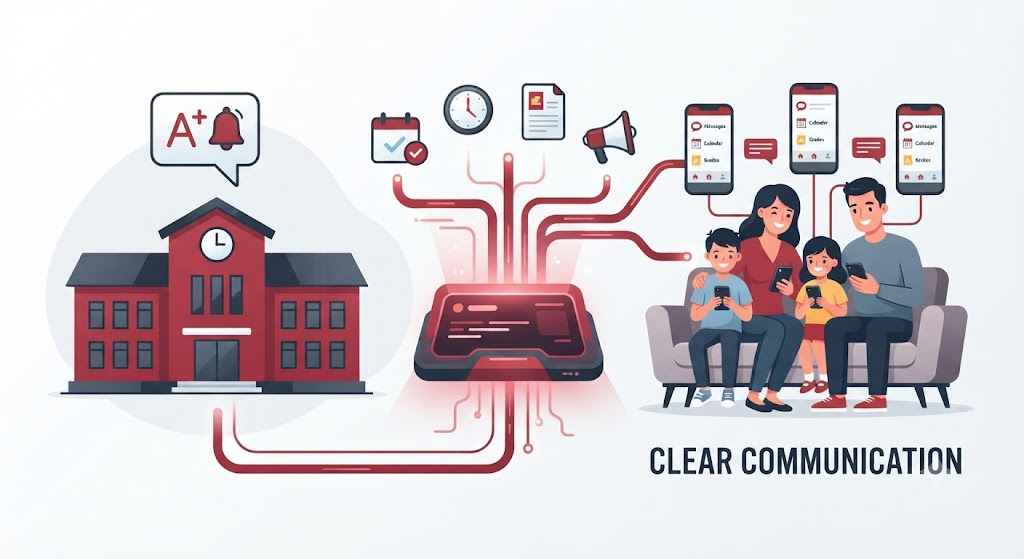
- Structured Communication: Ensure documentation and communication channels are in place to prevent losing information between teams.
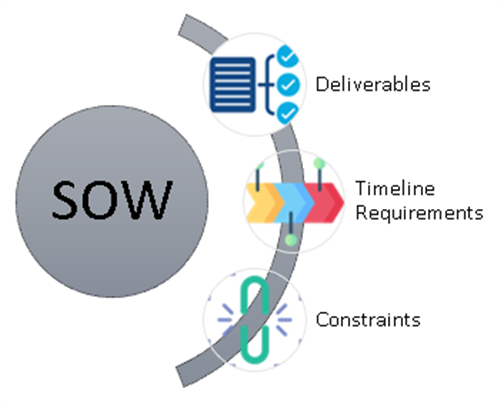
- Proper Planning: Despite the need for speed, foundational elements like Scope of Work (SOW) and Work Breakdown Structure (WBS) are essential to prevent scope creep.
- Balanced Risk Analysis: Use data-driven models to identify, measure, and address hidden uncertainties rather than rushing into decisions.
Note: In some contexts, this term can also be used for simply getting a project started rapidly ("hitting the ground running").
[{"displaySettingInfo":"[{\"isFullLayout\":false,\"layoutWidthRatio\":\"\",\"showBlogMetadata\":true,\"showAds\":true,\"showQuickNoticeBar\":true,\"includeSuggestedAndRelatedBlogs\":true,\"enableLazyLoad\":true,\"quoteStyle\":\"1\",\"bigHeadingFontStyle\":\"1\",\"postPictureFrameStyle\":\"1\",\"isFaqLayout\":false,\"isIncludedCaption\":false,\"faqLayoutTheme\":\"1\",\"isSliderLayout\":false}]"},{"articleSourceInfo":"[{\"sourceName\":\"\",\"sourceValue\":\"\"}]"},{"privacyInfo":"[{\"isOutsideVietnam\":false}]"},{"tocInfo":"[{\"isEnabledTOC\":false,\"isAutoNumbering\":false,\"isShowKeyHeadingWithIcon\":false}]"},{"termSettingInfo":"[{\"showTermsOnPage\":false,\"displaySequentialTermNumber\":false}]"}]
Via
{content}
 Explore more on these topics
Previous


























 Guest Blogging: The Definitive Guide

 Top Trending Topics
 Share This
 Link copied!
 Recently Updated News