


How Blockchain Is Transforming Digital Transactions
Last updated: March 30, 2026 Read in fullscreen view


 Recommended for you
- 05 Oct 2025
 The New Facebook Algorithm: A Paradigm Shift in Content Discovery 302/364
 - 21 Dec 2023 Top 12 Low-Code Platforms To Use in 2024 227/1528
- 01 Dec 2025 Manufacturing 4.0: AI Agents Enabling Self-Optimizing Production Systems 184/245
- 31 Dec 2025 10 Skills to Make You "Irreplaceable" in the Next 3 Years (even if AI changes everything) 179/213
- 25 Mar 2026 Token Bills: The "Cost Shock" After the AI Boom in Companies 170/196
- 20 Dec 2025 The Future of IT Consulting: Key Trends for 2026–2030 170/213
- 03 Oct 2025 Top CMS Trends 2026: The Future of Digital Content Management 168/202
- 26 Mar 2026 What Is a System Integrator (SI)? Why the Software Subscription Model Is Becoming the New Standard 156/190
- 12 May 2026 Top 6 AI AR/VR Filter Tools for Mind-Blowing Videos and Photos in 2026 152/173
- 06 Nov 2025 DataOps: The Next Frontier in Agile Data Management 143/202
- 18 Jul 2024 The 8 Best ways to Innovate your SAAS Business Model in 2024 140/397
- 29 Jan 2026 Why Headless Commerce Is Shaping the Future of the Online Store 127/154
- 14 Aug 2024 Blockchain Explained: Key Advantages and Limitations You Should Know 124/183
- 20 Feb 2025 How Machine Learning is Shaping the Future of Digital Advertising 118/241
- 16 Aug 2022 What is a Headless CMS? 115/401
- 16 Aug 2022 What is a Headless CMS? 115/401
- 27 Jul 2024 Positive Psychology in the Digital Age: Future Directions and Technologies 112/541
- 16 Mar 2023 10 Reasons to Choose a Best-of-Breed Tech Stack 109/323
- 02 Dec 2024 The Intersection of AI and Business Analytics: Key Concepts to Master in Your Business Analytics Course 108/404
- 03 Jan 2024 Why Partnership is important for Growth? 103/261
- 16 Sep 2022 Examples Of Augmented Intelligence In Today’s Workplaces Shaping the Business as Usual 99/536
- 11 Oct 2022 Why choose Billable Viable Product (BVP) over Minimum Viable Product (MVP) 99/441
- 16 Sep 2022 Examples Of Augmented Intelligence In Today’s Workplaces Shaping the Business as Usual 99/536
- 20 Aug 2025 What Is Agentic AI? The Next Phase of Artificial Intelligence 99/260
- 09 Sep 2025 Aligning BI Dashboards with KPIs: A Business + Data Collaboration Guide 99/187
- 18 Jan 2024 Self-healing code is the future of software development 98/315
- 23 Jun 2025 AI Avatars in the Metaverse: How Digital Beings Are Redefining Identity and Social Interaction 96/284
- 25 Sep 2024 Enhancing Decision-Making Skills with an MBA: Data-Driven Approaches for Business Growth 95/304
- 25 Jan 2025 The Decline of Traditional SaaS and the Rise of AI-first Applications 93/198
- 23 Apr 2026 A Complete Guide to Integrating Blockchain in Mobile App Development 92/109
- 30 Jul 2024 The Future of IT Consulting: Trends and Opportunities 91/305
- 31 Dec 2023 Software Development Outsourcing Trends to Watch Out for in 2024 90/320
- 24 Aug 2022 7 Ways to Improve Software Maintenance 89/392
- 01 May 2023 Understanding Business as Usual (BAU) and How to Transition 84/1210
- 03 Nov 2023 Why Is Billable Viable Product An Alternative To Minimum Viable Product? 83/274
- 17 Jun 2021 What is IT-business alignment? 83/455
- 22 Nov 2024 The Role of AI in Enhancing Business Efficiency and Decision-Making 82/277
- 18 Aug 2024 The Future of Web Development: Emerging Trends and Technologies Every Developer Should Know 80/275
- 20 Apr 2026 Role of AI and Blockchain in Healthcare Mobile App Development 79/96
- 31 Dec 2022 The New Normal for Software Development 76/430
- 10 Sep 2024 Leading Remote Teams in Hybrid Work Environments 76/220
- 27 Feb 2025 How AI Agents are Changing Software Development? 74/313
- 19 Dec 2023 How AI is Transforming Software Development? 74/367
- 27 May 2026 Best 5 Software Development Companies Ideal for Early-Stage Startups 72/100
- 03 May 2024 The Iceberg of Ignorance 71/500
- 09 Oct 2024 Short-Form Video Advertising: The Secret to Captivating Your Audience 70/202
- 05 Oct 2021 Shiny Object Syndrome: Why Your Business Isn't "Going Digital" 65/446
- 15 Aug 2025 Quantum Technology: Global Challenges and Opportunities for Innovators 65/203
- 29 May 2026 The Role of IoT in Modern Insurance App Development 64/75
- 17 Mar 2025 Integrating Salesforce with Yardi: A Guide to Achieving Success in Real Estate Business 61/269
- 10 Sep 2024 AI in Email Marketing: Personalization and Automation 60/237
- 17 Apr 2026 Blockchain Integration in Real Estate Mobile App Development 58/89
- 31 Dec 2022 Future of Software Development Trends and Predictions 48/199
- 13 Jul 2026 Why Every AI Initiative Needs Regular Audits 39/48
- 16 Jul 2026 AI + Blockchain App Development: Future of Smart Applications 37/45
- 13 Jul 2026 How to Choose the Best Blockchain App Development Company in 2026? 36/46
- 04 Mar 2026 CRM Trends Shaping Customer Engagement in 2026 1/150
The modern economy is now centered on digital transactions as everything, including online purchasing, is driven by them, as well as the entire financial system of the world. Nevertheless, the conventional ways of carrying out transactions have a number of weaknesses that include security threats, low levels of transparency, high processing costs, and reliance on third parties. This is the area where blockchain technology is creating a significant impact in transforming the way digital transactions are carried out within industries.
This article will discuss the transformation of digital transactions through blockchain, its most significant advantages, practical use, and the future of this technology.
Understanding Blockchain Technology
Blockchain is a decentralized and distributed digital registry that documents transactions between several computers in a secure and unalterable state. The transactions are recorded as a block, and these blocks are connected sequentially in a chain.
The blockchain is peer-to-peer compared to the traditional systems that are managed by a central authority. This is the decentralization that makes certain that no single entity has any overall authority over the data, and this makes the system more secure and transparent.
Key Challenges in Traditional Digital Transactions
Traditional systems have a number of limitations, which it is worth looking at before comprehending the transformation:
- Lack of transparency: The users are not always able to check the way the transactions are performed.
- High transaction fees: The banks and payment processors take big fees.
- Slow processing times: It may take days to process transactions across borders.
- Security risks: Central databases are susceptible to cyberattack and fraud.
- Limited accessibility: Not all people gain access to conventional banking.
Blockchain is able to solve these problems, and it provides a safer and more efficient solution.
How Blockchain Is Transforming Digital Transactions
1. Enhanced Security and Data Integrity
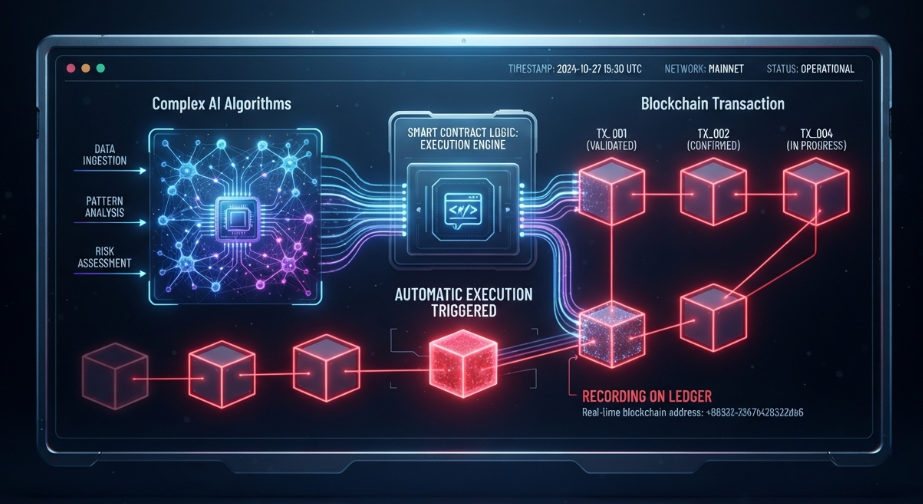
Blockchain involves the use of sophisticated cryptography in order to secure transactions. After a transaction has been documented, it cannot be changed or removed, hence data integrity.
The hash of each block is unique, and the block is attached to the prior block; that is why it is very hard for hackers to tamper with the information. This goes a long way to curb fraud and malpractice.
2. Decentralization Eliminates Intermediaries
The conventional mode of transactions is dependent on intermediaries like banks, payment gateways, and clearinghouses. By facilitating peer-to-peer transactions, blockchain eliminates the services of such third parties.
This saves money and time as well as improves efficiency. Companies that collaborate with a Blockchain App Development Company can develop decentralized solutions that facilitate operations and increase the level of trust among users.
3. Faster and Cost-Effective Transactions
Blockchain allows almost instant transaction processing, particularly between countries. Blockchain transactions are faster than traditional banking systems, which require several days.
Also, no middlemen are needed, and the transaction costs are reduced considerably, which makes it a cost-efficient solution both to the business and the consumer.
4. Transparency and Trust
Every operation on a blockchain is documented on a public or private registry, which is accessible by authorized members. This honesty creates confidence in the users because they would be able to confirm the transactions on-the-fly.
In the case of businesses, this will come in the form of better responsibility and fewer conflicts.
5. Smart Contracts Automation
Smart contracts are self-executing contracts that contain set rules that are coded into the blockchain. They will perform transactions automatically when certain conditions are satisfied.
For example:
- Release of payments automatically and when delivery is confirmed.
- Immediate coverage of claims in insurance.
- Live settlement in monetary dealings.
Through the use of smart contracts, the organizations will be able to automate all the manual processes and minimize human errors.
6. Improved Financial Inclusion
The blockchain makes financial services accessible to the unbanked and underbanked. By having only a smartphone and a connection to the internet, customers are able to engage in online transactions without having to go to traditional banking systems.
This especially works in the developing parts of the world where there is limited access to financial infrastructure.
Real-World Applications of Blockchain in Digital Transactions
1. Cross-Border Payments
Blockchain also facilitates the international payment system as it removes the middlemen and also shortens the processing duration. Businesses are able to make and accept payments across the world with very little charge and time wastage.
2. E-commerce and Retail
Blockchain has augmented online shopping with the way of secure methods of payment and clear supply chains. Customers will be able to identify the authenticity of goods and monitor their path from the manufacturer to delivery.
3. Banking and Financial Services
Banks are embracing blockchain as a way of enhancing the speed of transactions, minimizing fraud, and increasing compliance. It also allows settlement of trades and payments in real time.
4. Healthcare Payments
Blockchain ensures secure and transparent medical billing and payment systems. It helps reduce fraud, streamline claims processing, and improve patient data management.
Blockchain guarantees secure and transparent medical bills and payment systems. It assists in preventing fraudulent acts, enhancing claims administration, and handling patient data.
5. Digital Identity Verification
Identity systems based on blockchains enable users to manage their personal information and also share it safely. This can be of great help, especially in extending credit where identity checks are necessary.
Integration of Blockchain with Artificial Intelligence
The joint application of AI and blockchain is unveiling the opportunities of digital transactions. Blockchain guarantees the safe and transparent storing of data, whereas AI allows making smart decisions and conducting intellectual data analysis.
Blockchain data can be used to develop advanced solutions that can be used by an Artificial Intelligence Development Company, which are:
- Fraud detection systems
- Financial transaction predictive analytics.
- Individual consumer engagements.
- Automated risk assessment
This partnership increases efficiency, security, and innovation in digital ecosystems.
Benefits of Blockchain in Digital Transactions
This is a list of the significant benefits:
- Security: Sensitive data is secured by advanced encryption.
- Transparency: Live access to the records of transactions.
- Efficiency: Processing faster with fewer delays.
- Saving of costs: Reduction of transaction costs with the removal of middlemen.
- Immutability: Record books that cannot be changed or tampered with.
- Accessibility: Inclusion of non-traditional bankers.
Challenges of Blockchain Adoption
Regardless of its benefits, there is a set of difficulties related to blockchain adoption:
- Scalability problems: It can be complicated to handle a huge amount of transactions.
- Regulatory risk: Inconsistency in regulations in most areas.
- Complexity of integration: Blockchain needs a skill to integrate with current systems.
- Use of energy: Not all blockchain networks consume much energy.
Nevertheless, these issues are mitigated by constant improvements in technology that are raising blockchain to higher levels of scalability and sustainability.
Future of Blockchain in Digital Transactions
The blockchain has a bright future ahead of it as it will be adopted in more industries. Key trends include:
- Large-scale implementation of decentralized finance (DeFi).
- IoT integration to perform automated transactions.
- Increase in central bank digital currencies (CBDCs).
- Increased functionality of blockchain networks.
- More cooperation between AI and the blockchain.
Companies that are currently investing in blockchain are maneuvering themselves to succeed in the digital economy in the long term.
Conclusion
The digital transactions are being transformed using blockchain as they are being made more secure, transparent, efficient, and accessible. The technology is dismantling the middlemen and facilitating real-time payments and the automation of smart contracts, among other things. This is changing the way businesses and individuals transfer value.
As companies continue to harness their power, it is possible to collaborate with a trusted Blockchain App Development Company in order to create scalable and powerful solutions. Additionally, the integration of blockchain and AI effectiveness by means of an Artificial Intelligence Development Company will be an additional way of increasing innovation and creating additional opportunities.
In a world where digital interaction is becoming more of a determinant, blockchain is not merely a technological breakthrough, but it is a complete change in how transactions are carried out and trusted.
 Explore more on these topics
























 Guest Blogging: The Definitive Guide

 Top Trending Topics
 Share This
 Link copied!
 Recently Updated News
 thực chiến - Kiến tạo tương lai cho các nhà sáng tạo nội dung.