


A Complete Guide to Integrating Blockchain in Mobile App Development
Last updated: April 24, 2026 Read in fullscreen view


 Recommended for you
- 02 Dec 2025
 FIX vs. REST API: How to Choose the Right Integration Protocol for Modern Financial Systems 227/309
 - 14 Aug 2024 From Steel to Software: The Reluctant Evolution of Japan's Tech Corporates 203/748
- 02 Oct 2022 The Real Factors Behind Bill Gates’ Success: Luck, Skills, or Connections? 193/568
- 01 Dec 2025 Manufacturing 4.0: AI Agents Enabling Self-Optimizing Production Systems 179/240
- 17 Mar 2026 How Much Does it Cost to Build an AI Agent in 2026 172/242
- 05 Mar 2026 Top 7 Full-Cycle Web App Development Companies for Your Business in 2026 167/219
- 11 Mar 2026 OEM, ODM, and OBM in Software Development: Choosing the Right Growth Path 164/192
- 08 Oct 2024 Vietnam: The Rising Star in Global Outsourcing – Trends and Costs for 2025 159/523
- 07 Jul 2024 Top Fintech Companies in Vietnam Driving Innovation Across Digital Banking & Investment 146/283
- 12 May 2026 Top 6 AI AR/VR Filter Tools for Mind-Blowing Videos and Photos in 2026 145/166
- 19 Oct 2021 Software development life cycles 145/823
- 05 Aug 2025 Why Doesn’t South Korea Outsource Its IT Projects Like Other Developed Countries? 143/251
- 06 Nov 2025 DataOps: The Next Frontier in Agile Data Management 141/200
- 21 Apr 2026 Vibe Coding vs. Expert Shopify Development: What AI Tools Can (and Can't) Do? 138/163
- 12 May 2021 The Real Cost Between Outsourcing IT vs In-House: A Quick Comparison 138/584
- 16 Oct 2024 Building a Software Outsourcing Startup: Strategy Through Two Canvases 137/178
- 02 Feb 2026 What Is the Total Cost of Web Development for Small & Medium Businesses? 137/170
- 02 Jan 2026 The Trust Paradox in Fintech: How Data Transparency Reduces User Anxiety in Financial Recovery 135/171
- 04 Oct 2021 Product Validation: The Key to Developing the Best Product Possible 134/442
- 17 Mar 2026 Top 10 Product Development Companies in Chennai 2026 (Updated) 133/150
- 16 Feb 2026 Education App Development Cost in 2026: Benchmarks and Key Cost Drivers 133/193
- 13 Oct 2021 Outsourcing Software Development: MVP, Proof of Concept (POC) and Prototyping. Which is better? 130/608
- 21 Aug 2025 Top 30 Oldest IT Outsourcing Companies in Vietnam 129/235
- 10 Mar 2021 The 7 Biggest Mistakes to Avoid Before Outsourcing a Web Development Project 128/362
- 07 Oct 2025 Case Study: Using the “Messaging House” Framework to Build a Digital Transformation Roadmap 127/207
- 06 Feb 2026 How Much Does a CPA Cost for a Small Business? 125/148
- 29 Jan 2026 Why Headless Commerce Is Shaping the Future of the Online Store 124/151
- 03 Apr 2026 Best 10 FinTech Software Development Companies for SaaS Products 124/146
- 11 Mar 2024 Why You Should Hire Odoo Developers from Vietnam to Customize Your ERP System 122/228
- 14 Aug 2024 Blockchain Explained: Key Advantages and Limitations You Should Know 121/180
- 05 Jan 2022 What Outsourcing Engagement Model is Right For You? 119/431
- 01 Jan 2023 Top Software Development Challenges in 2023 119/438
- 12 Oct 2022 14 Common Reasons Software Projects Fail (And How To Avoid Them) 116/681
- 19 Oct 2020 The hidden costs of outsourcing software development 115/583
- 10 Jan 2024 Facts Chart: Reasons for outsourcing 115/270
- 28 Jul 2022 POC, Prototypes, Pilots and MVP: What Are the Differences? 115/857
- 25 Aug 2024 Mobile App Development Trends to Watch Out for 2025 113/366
- 12 Aug 2024 Understanding Google Analytics in Mumbai: A Beginner's Guide 112/219
- 27 Mar 2026 How Blockchain Is Transforming Digital Transactions 112/134
- 01 Jan 2024 What The World Is Flat Means to IT Outsourcing 112/280
- 16 Aug 2022 What is a Headless CMS? 111/397
- 01 Mar 2022 Top 5 reasons why outsourcing to Vietnam is a smart move 108/393
- 31 Oct 2025 The True ROI of Software Development Outsourcing for Tech Startups 107/189
- 16 Mar 2023 10 Reasons to Choose a Best-of-Breed Tech Stack 106/320
- 09 Sep 2022 Close Collaboration and Communication Can Overcome the Challenges of Distributed Teams 106/313
- 01 Jan 2023 4 New IT Outsourcing Pricing Models to consider in 2023 106/481
- 21 Oct 2021 Advantages and Disadvantages of IT Outsourcing 105/461
- 10 Feb 2026 8 FinTech Software Development Services That Drive Digital Transformation 104/147
- 24 Nov 2025 Top Blockchain Companies in Vietnam 103/148
- 10 May 2021 What are things you should look for in a good IT outsourcing company? 102/550
- 01 Sep 2019 Outsourcing Software To Vietnam: Facts, benefits and limitations 102/563
- 03 Dec 2025 IT Outsourcing Solutions Explained: What, How, Why, When 100/132
- 16 Sep 2022 Examples Of Augmented Intelligence In Today’s Workplaces Shaping the Business as Usual 99/536
- 24 Nov 2021 What is the Actual Cost of Hiring Cheap Developers? 98/494
- 12 Dec 2021 Zero Sum Games Agile vs. Waterfall Project Management Methods 97/511
- 31 Aug 2022 What are the best practices for software contract negotiations? 97/371
- 09 Sep 2025 Aligning BI Dashboards with KPIs: A Business + Data Collaboration Guide 97/185
- 05 Aug 2024 Revisiting the Mistake That Halted Japan's Software Surge 97/444
- 05 Sep 2023 The Cold Start Problem: How to Start and Scale Network Effects 95/293
- 01 Jan 2023 Software Development Outsourcing Trends to Watch Out for in 2023 95/418
- 01 Jan 2023 Top 5 IT outsourcing countries in 2023 94/369
- 01 Apr 2021 IT Outsourcing to vietnam: Why It Is A Good Choice? 94/392
- 15 Aug 2021 TIGO Rate Formula - Things the partners should know 94/627
- 05 Mar 2021 How do you minimize risks when you outsource software development? 93/426
- 26 May 2026 Cost Breakdown of Insurance App Development in 2026 89/104
- 24 Aug 2022 7 Ways to Improve Software Maintenance 88/391
- 15 Oct 2022 Project-based team model for one-off and pilot software development projects 88/919
- 19 Mar 2021 Selective Outsourcing of IT Functions - a new trend in business outsourcing 87/650
- 12 Jan 2023 Top 10 Trustworthy IT Outsourcing Companies in Vietnam 87/369
- 13 May 2026 Progressive Web Apps vs Native Apps: What’s the Difference? 87/113
- 13 Jan 2023 What are the Hourly Rates in Offshore Software Development? 86/328
- 13 Oct 2021 Why Outsourcing Software Development Services Is Gaining Traction With Non-Technical Leaders? 86/401
- 16 Dec 2021 Why outsource Python development of your project? 86/584
- 17 Jan 2024 What are the benefits and challenges of using multi-sourcing or single-sourcing strategies? 85/287
- 06 Mar 2024 [SemRush] What Are LSI Keywords & Why They Don‘t Matter 85/287
- 14 Dec 2021 The Top 10 Problems with Outsourcing Implementation and How to Solve Them 84/480
- 03 Oct 2020 Outsourcing Your MVP Development - Streamlined Solutions for future 83/509
- 17 Jun 2021 What is IT-business alignment? 82/454
- 03 Jan 2023 IT Outsourcing Costs: Is outsourcing really cost-effective? 81/291
- 01 Dec 2023 Laws of Project Management 80/395
- 02 Nov 2023 What are the pros and cons of iIT outsourcing? 80/293
- 22 Mar 2022 8 Mistakes Marketing Agencies or Consulting Firms Make When Outsourcing Web Development 80/425
- 04 Apr 2024 Unlock Vietnamese-Japanese outsourcing potential 80/314
- 19 Jun 2026 Who Offers AI Solutions Specifically Designed for Financial Services? Top Financial AI Companies in 2026 79/88
- 01 Jun 2025 10 Sustainable & Unique IT Outsourcing Companies in Vietnam 78/160
- 20 Apr 2026 Role of AI and Blockchain in Healthcare Mobile App Development 76/93
- 18 Jul 2021 How To Ramp Up An Offshore Software Development Team Quickly 76/668
- 28 Oct 2022 Expect the unexpected in 2023 - How Outsourcing Can Help? 76/280
- 04 Jan 2021 VIETNAM AS A BIG ATTRACTIVE DESTINATION IN THE FIELD OF OUTSOURCING 76/401
- 03 Nov 2021 7 phases of Odoo Implementation and Development: Can they be outsourced? 75/499
- 21 Aug 2022 Forbes: IT Outsourcing Hotspot: Vietnam, A Small But Mighty Powerhouse 74/329
- 02 May 2021 Outsourcing Software Development: Avoid 8 Mistakes 73/210
- 03 Nov 2022 Top questions and answers you must know before ask for software outsourcing 73/358
- 12 Oct 2021 Vietnam outsourcing path - the silk road connecting ASEAN with the developed countries (EU, US, Japan...) 73/414
- 06 Oct 2021 Intellectual property issues with outsourcing software development 73/458
- 04 Oct 2022 Which ERP implementation strategy is right for your business? 71/432
- 17 Oct 2020 How Outsourcing can Improve Time Management for Better Business 71/370
- 01 Jan 2024 Hiring Tech Talents in Asia: An Overview of Skills, Costs, and Potential 71/231
- 01 May 2024 Warren Buffett’s Golden Rule for Digital Transformation: Avoiding Tech Overload 70/278
- 15 Nov 2023 IT Staff Augmentation Types and the Best Choice for Your Business 70/283
- 10 May 2021 Project Audit and Second Opinion Services 69/315
- 09 Jan 2021 How can outsourcing enable business agility? 69/259
- 01 Oct 2022 Vietnam is a favorite supply of IT outsourcing services to Japan 64/300
- 01 Jan 2024 12 reasons for software development outsourcing 64/273
- 29 May 2026 The Role of IoT in Modern Insurance App Development 64/74
- 01 Jan 2024 Tech Partnerships: Choosing the Right Software Outsourcing Firm in Vietnam 63/235
- 15 Aug 2025 Quantum Technology: Global Challenges and Opportunities for Innovators 63/197
- 25 Sep 2025 A Practical Guide to Secure Online Work for Outsourced Teams 63/158
- 02 Mar 2021 Estimate the Cost of Software Development 63/427
- 01 Jan 2024 Software Outsourcing Questions for 2024 63/212
- 01 May 2023 Streamline Your Business with Outsourcing 62/267
- 11 Mar 2023 Common Pain Points in Software Development Outsourcing 62/327
- 28 Oct 2022 Build Operate Transfer (B.O.T) Model in Software Outsourcing 62/472
- 13 May 2026 Real AI Use Cases in Banking and Financial Services 62/70
- 17 Mar 2025 Integrating Salesforce with Yardi: A Guide to Achieving Success in Real Estate Business 60/267
- 07 Nov 2024 Outsourcing Crisis Looming: Will Trump's Policies Transform the Global IT Landscape? 59/242
- 08 Aug 2021 Why Nearshore Software Development is better than In-House Development? 59/255
- 01 Jan 2023 Why is Vietnam the Top IT Outsourcing Destination of 2023? 58/300
- 08 Feb 2022 Software Development: Fixed Cost or Opportunity Cost? 57/518
- 17 Apr 2026 Blockchain Integration in Real Estate Mobile App Development 57/88
- 31 Dec 2021 Outsourcing Software Development to mitigate the impact of COVID-19 52/375
- 16 Mar 2021 Outsource Data Engineering Services - TIGO Streamlined Solutions 51/307
- 08 Jan 2024 Outsourcing on an As-Needed Basis 51/219
- 01 Feb 2023 [InfoWorld] Is your outsourcer agile enough? 50/243
- 21 Oct 2022 Outsourcing Billable Rate 47/317
- 25 Nov 2021 Low-Cost Software Development: Buy Nice or Buy Twice? 44/412
- 13 Jul 2026 Why Every AI Initiative Needs Regular Audits 34/39
- 16 Jul 2026 AI + Blockchain App Development: Future of Smart Applications 29/34
- 13 Jul 2026 How to Choose the Best Blockchain App Development Company in 2026? 29/38
- 03 Jun 2026 Enterprise Guide to Choosing the Right Enterprise Application Development Services 1/42
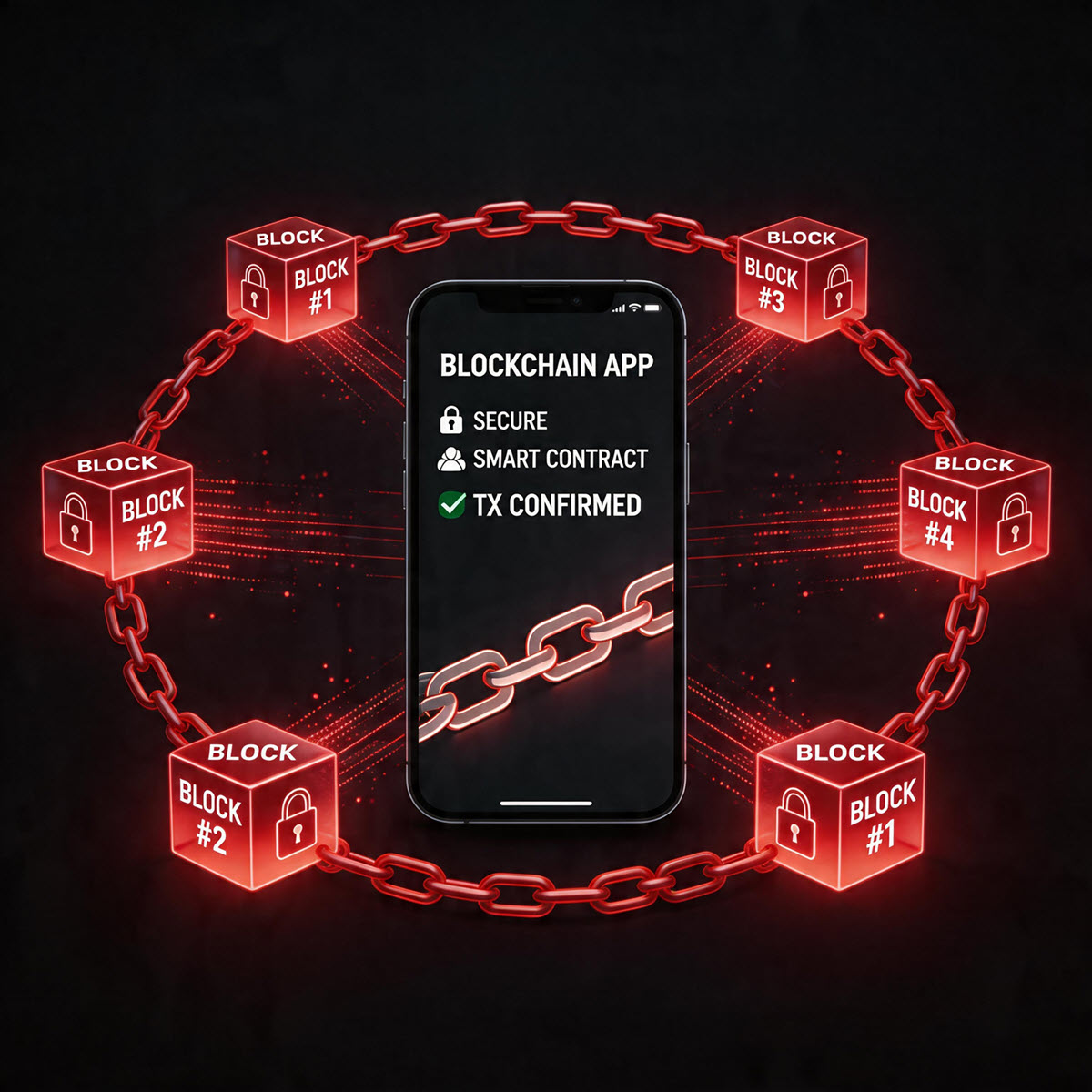
Today, blockchain is one of the key emerging technologies that enterprises trust. This is because it is redefining how we design and secure mobile applications in the complex business landscape. No doubt, it enables a decentralized architecture and tamper-proof data handling in your systems.
The result is teams handling financial transactions better through real-time data exchange. Owing to this aspect, we can say that the industry is transitioning towards an ecosystem where transparency and security are becoming the foundation for business growth.
This is a common reason why blockchain integration in mobile app development is being considered as a strategic shift. However, a blockchain mobile app development expert may still be needed to counter operational challenges on this roadmap, like scalability limitations, latency in transaction processing, regulatory uncertainty, and more. Furthermore, their long-term support can help improve the performance and efficiency of the systems, which can further upgrade your blockchain capabilities and add to the measurable business value.
In this guide, we walk through how a business can practically integrate blockchain into its mobile apps, covering key concepts, architecture, tech stack, and much more. Overall, this knowledge will help you build a secure, scalable, and business-aligned mobile application for your users, thereby adding to your output considerably.
Understanding Blockchain Mobile App Development
Undoubtedly, today, mobile apps manage a huge volume of financial transactions, thereby handling sensitive data, identity records, and data exchange in real time. This has allowed them to become a trusted engine for businesses.
And when it comes to mobile app development, this process needs to be more streamlined, verifiable, and secure to ensure that no single entity or person gets to tamper with the critical information that you have access to. This is why blockchain integration in mobile apps has become common.
At its core, this brings in real-world usability and decentralization, which is something that previous systems needed assistance with. What’s more, this development approach helps teams optimize their performance, scalability, and cost while still leveraging the core strengths of decentralization.
In this manner, by embedding blockchain into your systems, you may ensure that every transaction is verifiable, secure, and transparent by design.
How Blockchain Technology Fits in With Mobile App Development
Well, getting into the essence of blockchain mobile app development also involves understanding how it fits into your business architecture and what benefits it brings to the system.
That being said, the descriptive understanding of why blockchain integration matters for mobile app solutions is mentioned below:
Building Higher Trust in Interactions
For emerging fintech and healthcare leaders dealing with sensitive health records and transaction data, blockchain offers immense value. It helps teams reliably record and verify transactions and interactions.
Thus, for your business, this means that records can be maintained transparently, thus building customer trust.
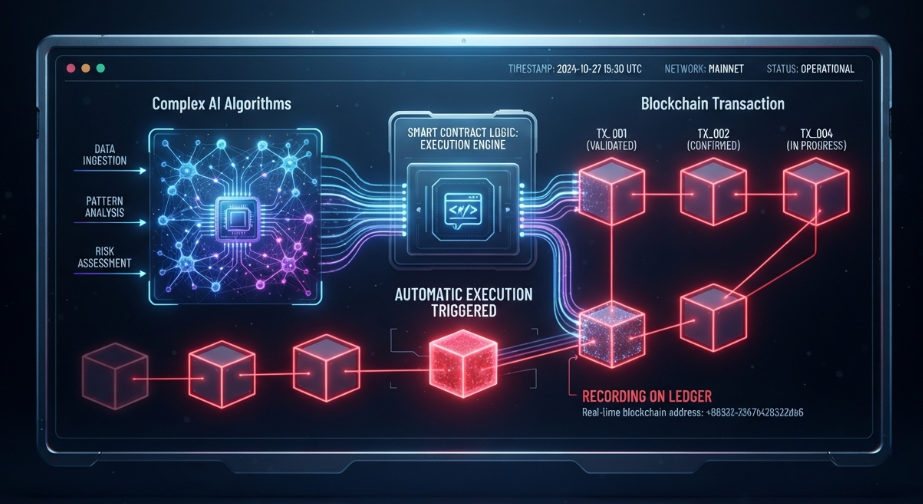
For Smart Contract Execution
As a firm grows, the need for smarter contract execution also increases. This helps in managing critical agreements (payments, approvals, workflows) without intermediaries.
So, for an enterprise, this translates as fewer process delays and a significant drop in operational costs.
Ensuring Secure Data Handling
Blockchain mobile app development also helps enhance the data integrity of your modern architecture. Here, large data stays off-chain, and critical records are stored using hashes, logs, and proofs.
For teams, this means better data authenticity, auditability, and protection against unauthorized data changes, which is a necessary security measure ultimately.
Security in Identity and Authentication Systems
Essentially, technology experts also leverage blockchain for decentralized identity (DID) within mobile apps. This helps them upgrade the authentication controls that most conventional apps work with.
As a result, it also contributes to improving data privacy and reducing the potential for data breaches that are prevalent in every industry today.
Strengthening the Backend of the Architecture
That being said, with blockchain integration, the traditional backend systems can undoubtedly be optimized to deliver better speed, performance, and scalability. Thus, it makes your system more reliable, secure, and powerful all at the same time.
Owing to these reasons, blockchain can be positioned as a strategic update to your app’s framework in 2026.
Common Use Cases of Blockchain in Mobile App Development
Gaining detailed insights into blockchain integration for modern mobile app solutions, it is necessary for leaders to understand this concept in terms of real industry cases. Essentially, this will bring more focus on this emerging technology’s outcomes for businesses.
That being said, here are some of its use cases mentioned below:
Secure Payments and Digital Wallets
With blockchain in mobile apps, there is no limit to what can be reached. In fact, secure payments across borders are a result of this technology. With this integration, you can build safer crypto wallets, payments apps, and other such solutions for companies.
Tracking Assets in Logistics
Beyond safety and transparency, blockchain provides end-to-end visibility of goods and assets. This aspect is also of immense value for businesses. By integrating blockchain in your supply chain networks, you can ensure better traceability, authenticity, and real-time tracking of your goods in transit.
Managing Healthcare Data
In the case of healthcare apps, blockchain helps ensure secure and interoperable data sharing of sensitive records. This further helps leaders meet the strict regulatory and compliance requirements that are necessary for their systems to adhere to.
Ensuring Well-Managed Digital Assets in Apps
Many modern NFTs and gaming platforms use blockchain to securely own, trade, and manage digital assets efficiently. Moreover, for teams, this enables more well-managed and decentralized workflows.
This is how blockchain can be trusted to deliver measurable business value in many industries today.
Core Tech Stack of Blockchain-driven Mobile Apps
After understanding how blockchain can practically add value to your mobile app solutions, leaders also need to gather insights on the tech stack that is needed to power an app’s framework with this technology.
That being said, here are the elements you need to assemble into your apps to foster blockchain-driven scalability and security.
| Layers | Technologies | How it Fits in the Mobile App Solutions |
|---|---|---|
| Frontend | Flutter, React Native, Swift, and more | Ensures delivering valuable and secure user experiences. |
| Blockchain Platforms | Ethereum, Solana, Hyperledger | Improves how records are stored and ensures secure transactions. |
| Smart Contracts Management | Solidity, Rust | Helps write business logic and automates transactions and workflows within the app. |
| Blockchain Integration Tools | Web3.js, Ethers.js | Enables connecting mobile apps to blockchain networks. |
| Storage Layer | Cloud Databases | Stores data while ensuring its security and integrity through strict measures. |
Integrating these elements can help your enterprise ensure that the system is up and ready to manage trustworthy transactions in real-time while maintaining the necessary speed and scalability in mind. That being said, this infrastructure layer for standard mobile app solutions costs from $15k to $150k. And factors like app complexity, choice of platform, security concerns, and other aspects can bring a variation in your blockchain investment costs.
Step-by-Step Process of Integrating Blockchain in Mobile App Solutions
The next important step in our roadmap is to examine the structured process of how blockchain can practically be integrated into mobile app development.
That being said, this section breaks down the clear steps for how teams can execute and manage this process responsibly.
Define use case and business objectives
Teams should start by defining where blockchain can add to their app development ecosystem. Here, the main focus can be on aspects like enhancing trust, transparency, and automation within the app.
Choose a blockchain platform
The next step is selecting the right platform (public, private, and hybrid), based on your scalability, cost, and use case needs.
Design architecture (on-chain vs off-chain)
Further, teams can start planning what data records will need a more critical security authentication, and which logic can go on-chain and off-chain accordingly.
Develop smart contracts
Now, professionals can begin working on automating the business logic and workflows as part of the app’s infrastructure, which falls under developing and managing smarter contracts through blockchain mobile app development.
Build mobile app frontend architecture
As teams work effectively to streamline their in-app workflows, they also need to approach the idea of developing the app’s front-end architecture. Here, the main focus is on developing a responsive and intuitive interface for the app. Overall, this can help with the search and task completion of the end-users.
Integrate blockchain APIs & wallets
Furthermore, professionals also need to connect the app securely across the functions by using blockchain APIs. This enables them to keep their transactions and wallet interactions safe and entirely secure.
Test, audit, and deploy
Finally, teams need to rigorously test their apps to ensure that their planned standards of security, compliance, and performance are being met before deployment. Otherwise, changes need to be made accordingly, and the app can be deployed for the end-users.
Best Practices for Blockchain Integration in Mobile App Solutions
As teams explore the right approach for blockchain integration into their modern app solutions, what becomes important is the key takeaways that can help them make this activity a success for your firm.
That being said, this section shares the following practices that can help enhance your app’s efficiency, security, and performance by adding the power of blockchain.
- Define use cases to understand where this technology can add value. And then integrate it accordingly. This means that applying blockchain selectively can truly add to your results.
- It is best to keep your critical data files on-chain. And the other files can be managed off-chain to reduce operational cost and latency.
- It is important to keep the design of the wallets and apps simple, so that the features can actually add value to the users in the long run.
Finally, focusing on security audits is a must, and keeping them well-documented is a great way to be compliant and audit-ready.
Final Thoughts
Wrapping up, we can say that blockchain is a valuable business investment in the modern app development landscape. And its impact on user trust, security, and transparency cannot be ignored, as it shows in terms of the measurable value added.
Additionally, it helps mobile app solutions become more future-ready and decentralized.
So, for enterprises, this means many clear benefits like stronger data handling, higher transparency, improved efficiency, automation, and others.
Thus, when applied correctly by experts and technical blockchain developers, this emerging technology can be a great way for enterprises to move forward toward their digital transformation, thereby also winning greater user trust and long-term cost optimization.
| About the Author | Riley Brooks | Technology content writer | Riley Brooks is a technology content writer exploring emerging technologies like blockchain, mobile app development, and digital transformation. With this understanding, she helps brands simplify complex concepts into actionable insights, thereby assisting them in smartly integrating blockchain into scalable and secure mobile applications. |
 Explore more on these topics





















 Guest Blogging: The Definitive Guide

 Top Trending Topics
 Share This
 Link copied!
 Recently Updated News