



How Artificial Intelligence is Transforming Software Development
Last updated: July 10, 2025 Read in fullscreen view


 Recommended for you
- 06 Mar 2026
 Next-Generation AI Agents Explained: OpenClaw, NanoClaw, IronClaw and the Rise of Agent Architectures 361/401
 - 05 Oct 2025 The New Facebook Algorithm: A Paradigm Shift in Content Discovery 294/356
- 21 Dec 2023 Top 12 Low-Code Platforms To Use in 2024 221/1520
- 23 Dec 2025 Microsoft Power Automate vs. n8n: What’s the Real Difference? 217/347
- 15 Feb 2024 What is a Cut-Over in Software Development? 207/1536
- 14 Aug 2024 From Steel to Software: The Reluctant Evolution of Japan's Tech Corporates 203/749
- 02 Oct 2022 The Real Factors Behind Bill Gates’ Success: Luck, Skills, or Connections? 193/568
- 29 Oct 2024 Top AI Tools and Frameworks You’ll Master in an Artificial Intelligence Course 189/594
- 02 Nov 2023 Differences between software walkthrough, review, and inspection 179/2329
- 02 Dec 2025 The Question That Shook Asia: What Happens When We Ask AI to Choose Between a Mother and a Wife? 176/216
- 05 Jun 2025 How AI-Driven Computer Vision Is Changing the Face of Retail Analytics 171/295
- 31 Dec 2025 10 Skills to Make You "Irreplaceable" in the Next 3 Years (even if AI changes everything) 169/203
- 25 Mar 2026 Token Bills: The "Cost Shock" After the AI Boom in Companies 167/190
- 23 Dec 2024 Garbage In, Megabytes Out (GIMO): How to Rise Above AI Slop and Create Real Signal 166/220
- 03 Oct 2025 Top CMS Trends 2026: The Future of Digital Content Management 166/199
- 09 Jul 2024 What Is Artificial Intelligence and How Is It Used Today? 165/423
- 20 Dec 2025 The Future of IT Consulting: Key Trends for 2026–2030 163/206
- 16 Oct 2025 AI Inference Explained Simply: What Developers Really Need to Know 163/197
- 24 Mar 2026 AI for Financial Reconciliation: Automating Finance Operations in 2026 158/189
- 06 Dec 2025 Enterprise Operations 2.0: Why AI Agents Are Replacing Traditional Automation 153/197
- 26 Mar 2026 What Is a System Integrator (SI)? Why the Software Subscription Model Is Becoming the New Standard 151/185
- 01 Dec 2022 Difference between Set-based development and Point-based development 148/514
- 19 Oct 2021 Software development life cycles 145/823
- 27 Oct 2020 8 principles of Agile Testing 142/1458
- 21 May 2022 "Fail Fast, Fail Often, Fail Forward" is the answer to Agile practices of software success 139/1188
- 21 Apr 2026 Vibe Coding vs. Expert Shopify Development: What AI Tools Can (and Can't) Do? 139/164
- 18 Jul 2024 The 8 Best ways to Innovate your SAAS Business Model in 2024 137/392
- 04 Oct 2021 Product Validation: The Key to Developing the Best Product Possible 134/442
- 25 Nov 2025 How AI Agents Are Redefining Enterprise Automation and Decision-Making 134/192
- 10 Apr 2022 Agile self-organizing teams: What are they? How do they work? 132/692
- 13 Oct 2021 Outsourcing Software Development: MVP, Proof of Concept (POC) and Prototyping. Which is better? 130/608
- 31 Jul 2025 Top WooCommerce Pre-Order Plugins with Countdown & Discounts 129/226
- 25 Dec 2025 What Is Algorithmic Fairness? Who Determines the Value of Content: Humans or Algorithms? 129/174
- 07 Oct 2025 Case Study: Using the “Messaging House” Framework to Build a Digital Transformation Roadmap 127/207
- 16 Jul 2022 What are disadvantages of Agile Methodology? How to mitigate the disadvantages ? 121/517
- 03 Jul 2022 Manifesto for Agile Software Development 121/391
- 15 Apr 2024 Weights & Biases: The AI Developer Platform 120/311
- 28 Nov 2023 Scrum Team Failure — Scrum Anti-Patterns Taxonomy 119/374
- 22 Dec 2025 The Role of Automotive Software in Building Smarter Vehicles 118/163
- 04 Mar 2026 CRM Trends Shaping Customer Engagement in 2026 117/148
- 28 Jul 2022 POC, Prototypes, Pilots and MVP: What Are the Differences? 116/858
- 12 Oct 2022 14 Common Reasons Software Projects Fail (And How To Avoid Them) 116/681
- 20 Feb 2025 How Machine Learning is Shaping the Future of Digital Advertising 116/238
- 17 Oct 2025 MLOps vs AIOps: What’s the Difference and Why It Matters 114/226
- 01 Jul 2025 The Hidden Costs of Not Adopting AI Agents: Risk of Falling Behind 113/262
- 16 Aug 2022 What is a Headless CMS? 113/399
- 12 Aug 2024 Understanding Google Analytics in Mumbai: A Beginner's Guide 112/219
- 27 Jul 2024 Positive Psychology in the Digital Age: Future Directions and Technologies 110/539
- 02 May 2022 What Is RAID in Project Management? (With Pros and Cons) 110/963
- 16 Dec 2025 Reducing Cognitive Friction in Software Development: A Guide to Faster, Happier Teams 107/181
- 02 Dec 2024 The Intersection of AI and Business Analytics: Key Concepts to Master in Your Business Analytics Course 105/400
- 10 Nov 2025 Multi-Modal AI Agents: Merging Voice, Text, and Vision for Better CX 104/218
- 27 Aug 2025 How AI Consulting Is Driving Smarter Diagnostics and Hospital Operations 103/203
- 12 Jan 2026 Companies Developing Custom AI Models for Brand Creative: Market Landscape and Use Cases 103/135
- 21 Nov 2025 The Rise of AgentOps: How Enterprises Are Managing and Scaling AI Agents 102/159
- 03 Jan 2024 Why Partnership is important for Growth? 102/260
- 16 Sep 2022 Examples Of Augmented Intelligence In Today’s Workplaces Shaping the Business as Usual 99/536
- 11 Oct 2022 Why choose Billable Viable Product (BVP) over Minimum Viable Product (MVP) 98/440
- 12 Dec 2021 Zero Sum Games Agile vs. Waterfall Project Management Methods 98/512
- 20 Nov 2022 Agile working method in software and football 98/438
- 24 Dec 2024 Artificial Intelligence and Cybersecurity: Building Trust in EFL Tutoring 98/268
- 15 May 2025 AI Consulting for Small Businesses: How to Leverage AI for Growth & Efficiency 98/291
- 21 Aug 2024 What is Singularity and Its Impact on Businesses? 98/560
- 05 Aug 2024 Revisiting the Mistake That Halted Japan's Software Surge 97/444
- 31 Aug 2022 What are the best practices for software contract negotiations? 97/371
- 07 Nov 2025 Online vs. Offline Machine Learning Courses in South Africa: Which One Should You Pick? 97/169
- 18 Jan 2024 Self-healing code is the future of software development 96/313
- 05 Sep 2023 The Cold Start Problem: How to Start and Scale Network Effects 95/293
- 25 Sep 2024 Enhancing Decision-Making Skills with an MBA: Data-Driven Approaches for Business Growth 95/302
- 20 Aug 2025 What Is Agentic AI? The Next Phase of Artificial Intelligence 95/255
- 06 May 2025 How Machine Learning Is Transforming Data Analytics Workflows 94/291
- 23 Jun 2025 AI Avatars in the Metaverse: How Digital Beings Are Redefining Identity and Social Interaction 94/281
- 25 Jan 2025 The Decline of Traditional SaaS and the Rise of AI-first Applications 93/198
- 05 Mar 2021 How do you minimize risks when you outsource software development? 93/426
- 07 Oct 2020 How To Manage Expectations at Work (and Why It's Important) 93/431
- 21 Oct 2025 Cloud-Native Development: Why It’s the Future of Enterprise IT 93/182
- 28 Nov 2025 How AI Will Transform Vendor Onboarding and Seller Management in 2026 88/218
- 30 Jul 2024 The Future of IT Consulting: Trends and Opportunities 88/300
- 24 Oct 2025 AI Agents in SaaS Platforms: Automating User Support and Onboarding 87/158
- 01 Jun 2022 How Your Agile Development Team is Just Like a Football Team? 86/304
- 31 Dec 2023 Software Development Outsourcing Trends to Watch Out for in 2024 86/316
- 01 Feb 2024 How long does it take to develop software? 85/295
- 06 Mar 2024 [SemRush] What Are LSI Keywords & Why They Don‘t Matter 85/287
- 22 Sep 2025 Why AI Is Critical for Accelerating Drug Discovery in Pharma 82/197
- 22 Nov 2024 The Role of AI in Enhancing Business Efficiency and Decision-Making 81/276
- 01 Dec 2023 Laws of Project Management 81/396
- 09 Oct 2022 Key Advantages and Disadvantages of Agile Methodology 80/784
- 04 Oct 2023 The Future of Work: Harnessing AI Solutions for Business Growth 80/361
- 18 Aug 2024 The Future of Web Development: Emerging Trends and Technologies Every Developer Should Know 79/274
- 03 Nov 2023 Why Is Billable Viable Product An Alternative To Minimum Viable Product? 79/270
- 31 Dec 2022 The New Normal for Software Development 76/429
- 18 Jul 2021 How To Ramp Up An Offshore Software Development Team Quickly 76/668
- 10 Sep 2024 Leading Remote Teams in Hybrid Work Environments 76/220
- 27 Feb 2025 How AI Agents are Changing Software Development? 74/312
- 19 Dec 2023 How AI is Transforming Software Development? 74/367
- 12 Oct 2020 The Agile Manifesto - Principle #8 73/568
- 04 Oct 2022 Which ERP implementation strategy is right for your business? 71/432
- 21 Apr 2025 Agent AI in Multimodal Interaction: Transforming Human-Computer Engagement 71/266
- 27 May 2026 Best 5 Software Development Companies Ideal for Early-Stage Startups 71/98
- 01 May 2024 Warren Buffett’s Golden Rule for Digital Transformation: Avoiding Tech Overload 70/278
- 09 Oct 2024 Short-Form Video Advertising: The Secret to Captivating Your Audience 69/201
- 05 Aug 2024 Affordable Tech: How Chatbots Enhance Value in Healthcare Software 64/295
- 15 Aug 2025 Quantum Technology: Global Challenges and Opportunities for Innovators 63/197
- 28 Oct 2022 Build Operate Transfer (B.O.T) Model in Software Outsourcing 62/472
- 29 Aug 2025 How AI Is Transforming Modern Management Science 60/128
- 10 Sep 2024 AI in Email Marketing: Personalization and Automation 58/235
- 01 Mar 2022 Why Does Scrum Fail in Large Companies? 55/319
- 10 Oct 2022 Should Your Business Go Agile? (Infographic) 51/175
- 21 Oct 2022 Virtual meeting - How does TIGO save cost, reduce complexity and improve quality by remote communication? 51/241
- 25 Jun 2026 Vercel: The "Secret Weapon" for Modern, High-Performance Web Deployment 49/57
- 31 Dec 2022 Future of Software Development Trends and Predictions 48/199
- 02 Nov 2022 Frequently Asked Questions about Agile and Scrum 47/444
- 06 Nov 2025 Top AI Development Companies in the USA to Watch in 2026 19/260
Introduction
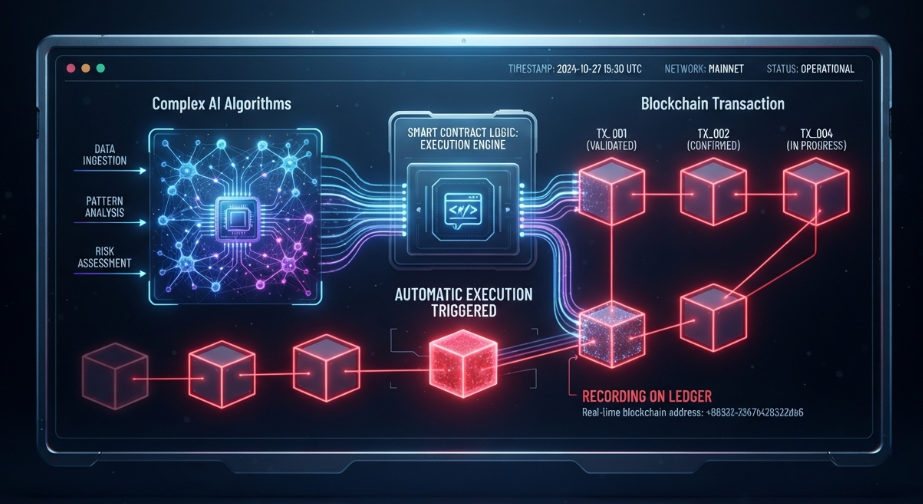
The rapid advancements in artificial intelligence (AI) are reshaping the landscape of the software development industry. Intelligent systems that learn, predict, and automate processes are not just enhancing but reinventing what was once a purely manual, logic-based operation. This transformation is fundamental to how we develop, test, and maintain software systems; it represents a profound shift rather than a fleeting trend. Throughout the software development life cycle, developers, project managers, testers, and other stakeholders are increasingly relying on AI as a collaborative partner.
Let’s explore how AI is driving change across the key domains of software development.
1. Intelligent Code Generation
The auto-generation of code stands as one of the most significant applications of AI in software development. Tools like Amazon CodeWhisperer, GitHub Copilot, and Tabnine are revolutionizing the way developers write code. By utilizing large models trained on hundreds of billions of lines of code, these tools can suggest context-aware snippets, entire functions, or even fully developed modules based on natural language commands. Developers can articulate their coding needs in standard English, allowing them to focus on innovation rather than rote work.
Principal Advantages:
- Increased Efficiency: Developers spend less time on boilerplate or repetitive code.
- Faster Prototyping: AI accelerates the creation of Minimum Viable Products (MVPs) by streamlining manual tasks.
- Support for Novices: Entry-level developers gain valuable examples and ideas that help lower their learning curves.
While AI will not replace developers, it undoubtedly enhances their productivity and allows them to concentrate on solving original problems.
2. Enhanced Software Testing
Software testing has long been a labor-intensive part of the development cycle. However, thanks to predictive analytics and intelligent test automation, AI is streamlining this process.
- AI Applications in Testing: Generating Test Cases: AI tools can automatically create test cases based on application logs, user behavior, or historical defect data.
- Error Prediction: Machine learning models help teams focus their testing on code segments most likely to harbor errors.
- Visual Testing: Tools like Applitools utilize AI to compare screenshots pixel-by-pixel, identifying UI regressions efficiently.
Platforms such as Testim.io and Functionize leverage AI to automatically adjust test scripts in response to UI changes, saving valuable time on script maintenance.
3. Bug Detection and Resolution
Bug fixing is among the most time-consuming tasks for developers. Fortunately, AI enhances this process by identifying errors early—often before the code is executed.
AI's Potential for Bug Detection:
- Static Code Analysis: AI can analyze code logic and syntax without executing the program, identifying potential issues.
- Pattern Recognition: AI models detect patterns in mistakes and suggest immediate fixes by reviewing millions of bug reports and code commits.
- Automated Debugging: Advanced systems can autonomously recommend or implement solutions for common problems.
Tools like CodeGuru by AWS and DeepCode (now part of Snyk) provide real-time code reviews, highlighting logical errors, security vulnerabilities, and optimization opportunities. This proactive issue resolution promotes greater stability in programs and saves development teams countless hours.
4. Improved Project Management
Managing software development projects is inherently complex, involving scope management, resource allocation, timelines, and risk mitigation.
Benefits of AI for Project Managers:
- Resource Forecasting: AI analyzes past project data to predict developer availability, workload, and timelines.
- Timeline Estimation: Machine learning offers more accurate completion estimates by examining team productivity trends.
- Risk Management: AI can anticipate potential delays, high-risk modules, and budget overruns before they impact the project.
For instance, AI is integrated into tools like Jira and ClickUp to assess team velocity, automatically refine sprint planning, and identify workflow bottlenecks.
5. Emergence of AI-First Platforms
A new generation of development platforms is emerging, with AI capabilities built into their core, rather than merely being added on.
Features of AI-First Platforms:
- Auto-refactoring: These platforms suggest improvements to the design, logic, and structure of existing code.
- Performance Monitoring: They analyze app performance in real-time and recommend optimizations.
- Autonomous Development: Certain low-code/no-code platforms utilize AI to create complete applications based on user input.
For example, Builder.ai allows users to articulate their needs in simple language to create apps, while Cogram assists teams with AI-driven SQL generation and data tool integration. These technologies empower developers to focus more on creativity and less on repetitive or structural tasks.
6. Personalized Upskilling and Developer Education
AI is not only transforming software development but also reshaping how we learn to code.
- Impact on Education: Adaptive Learning Platforms: AI identifies learners' weaknesses and tailors curricula accordingly.
- Real-time Code Review Feedback: Students receive instant analysis and suggestions from AI-powered mentors, enabling continuous improvement.
- Skill Mapping: AI tracks student progress and recommends emerging projects or skills based on market trends.
Educational institutions like IDM Techpark Coimbatore, India, are embracing AI-driven approaches to ensure that students master both traditional development and modern, AI-augmented techniques.
Challenges and Ethical Considerations
- Despite the many advantages of AI, several challenges must be addressed.
- Data Privacy: AI systems often require access to user data or source code.
- Algorithm Bias: Training data can introduce biases into AI-generated code.
- Over-reliance: Excessive dependence on AI may hinder developers' critical thinking skills.
Responsible software development requires a careful balance between human oversight and AI assistance.
Conclusion
AI is designed to empower developers, not replace them. By automating repetitive tasks, enhancing decision-making, and providing predictive insights, AI allows developers to focus on high-impact, creative work. Organizations that embrace AI in software development can achieve improved quality assurance, faster time-to-market, and smarter collaboration.
At IDM Techpark Coimbatore, a leading software training center in Coimbatore, India, we recognize the growing influence of AI in the IT landscape. Our courses aim to bridge the gap between current industry expectations and future demands. Whether you are a student, working professional, or business owner, we prepare you for a future where AI plays a pivotal role in all digital interactions.
 Explore more on these topics






























 Guest Blogging: The Definitive Guide

 Top Trending Topics
 Share This
 Link copied!
 Recently Updated News