


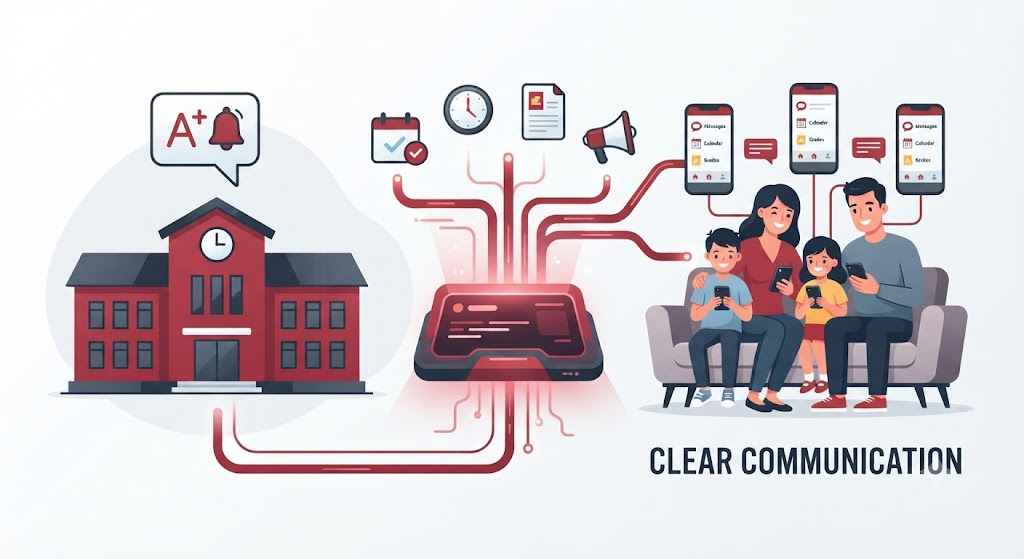


Humanizer Tool in Action: Make AI Marketing Messages Sound Human
Last updated: December 18, 2025 Read in fullscreen view


 Recommended for you
- 06 Mar 2026
 Next-Generation AI Agents Explained: OpenClaw, NanoClaw, IronClaw and the Rise of Agent Architectures 354/394
 - 05 Oct 2025 The New Facebook Algorithm: A Paradigm Shift in Content Discovery 283/345
- 21 Dec 2023 Top 12 Low-Code Platforms To Use in 2024 217/1513
- 02 Oct 2022 The Real Factors Behind Bill Gates’ Success: Luck, Skills, or Connections? 187/560
- 29 Oct 2024 Top AI Tools and Frameworks You’ll Master in an Artificial Intelligence Course 185/590
- 25 Nov 2025 FaceSearchEngine.com Review: Can It Really Find Someone with Just a Photo? 167/270
- 02 Dec 2025 The Question That Shook Asia: What Happens When We Ask AI to Choose Between a Mother and a Wife? 165/201
- 03 Oct 2025 Top CMS Trends 2026: The Future of Digital Content Management 165/195
- 05 Jun 2025 How AI-Driven Computer Vision Is Changing the Face of Retail Analytics 165/288
- 09 Jul 2024 What Is Artificial Intelligence and How Is It Used Today? 164/419
- 23 Dec 2024 Garbage In, Megabytes Out (GIMO): How to Rise Above AI Slop and Create Real Signal 164/218
- 25 Mar 2026 Token Bills: The "Cost Shock" After the AI Boom in Companies 162/185
- 16 Oct 2025 AI Inference Explained Simply: What Developers Really Need to Know 162/196
- 31 Dec 2025 10 Skills to Make You "Irreplaceable" in the Next 3 Years (even if AI changes everything) 158/189
- 20 Dec 2025 The Future of IT Consulting: Key Trends for 2026–2030 155/198
- 06 Nov 2025 Top 10 AI Development Companies in the USA to Watch in 2026 153/229
- 06 Dec 2025 Enterprise Operations 2.0: Why AI Agents Are Replacing Traditional Automation 149/193
- 24 Mar 2026 AI for Financial Reconciliation: Automating Finance Operations in 2026 148/178
- 19 Oct 2021 Software development life cycles 144/822
- 26 Mar 2026 What Is a System Integrator (SI)? Why the Software Subscription Model Is Becoming the New Standard 142/176
- 28 Oct 2025 The Future of Real Estate: Key Trends and Essential Lessons in Digital Transformation 142/213
- 18 Jul 2024 The 8 Best ways to Innovate your SAAS Business Model in 2024 136/391
- 01 Nov 2025 Best AI Writing Tools in 2025 for Bloggers, Marketers, & Creators 133/194
- 25 Nov 2025 How AI Agents Are Redefining Enterprise Automation and Decision-Making 133/191
- 04 Oct 2021 Product Validation: The Key to Developing the Best Product Possible 131/439
- 13 Oct 2021 Outsourcing Software Development: MVP, Proof of Concept (POC) and Prototyping. Which is better? 129/607
- 06 Nov 2023 How do you streamline requirement analysis and modeling? 128/365
- 07 Oct 2025 Case Study: Using the “Messaging House” Framework to Build a Digital Transformation Roadmap 127/207
- 20 Jan 2021 Fail early, fail often, fail cheap, fail safe but always fail forward 125/941
- 15 Apr 2024 Weights & Biases: The AI Developer Platform 119/310
- 25 Dec 2025 What Is Algorithmic Fairness? Who Determines the Value of Content: Humans or Algorithms? 119/162
- 04 Mar 2026 CRM Trends Shaping Customer Engagement in 2026 117/145
- 20 Feb 2025 How Machine Learning is Shaping the Future of Digital Advertising 114/236
- 01 Jul 2025 The Hidden Costs of Not Adopting AI Agents: Risk of Falling Behind 113/262
- 17 Sep 2024 JPGConverters.com Review: Fast, Reliable, & User-Friendly Image Conversion 113/344
- 12 Oct 2022 14 Common Reasons Software Projects Fail (And How To Avoid Them) 112/677
- 16 Aug 2022 What is a Headless CMS? 110/396
- 12 Aug 2024 Understanding Google Analytics in Mumbai: A Beginner's Guide 110/217
- 27 Jul 2024 Positive Psychology in the Digital Age: Future Directions and Technologies 109/538
- 28 Jul 2022 POC, Prototypes, Pilots and MVP: What Are the Differences? 109/850
- 02 Nov 2021 [Case Study] Streamlined Data Reporting using Tableau 109/412
- 29 Nov 2021 Memorandum of Understanding (MOU) for Partnership Agreements 108/678
- 17 Oct 2025 MLOps vs AIOps: What’s the Difference and Why It Matters 105/216
- 02 Dec 2024 The Intersection of AI and Business Analytics: Key Concepts to Master in Your Business Analytics Course 103/398
- 03 Jan 2024 Why Partnership is important for Growth? 102/260
- 11 Nov 2021 What is an IT Self-service Portal? Why is it Important to Your Business? 102/551
- 27 Aug 2025 How AI Consulting Is Driving Smarter Diagnostics and Hospital Operations 102/202
- 10 Nov 2025 Multi-Modal AI Agents: Merging Voice, Text, and Vision for Better CX 101/215
- 20 Dec 2021 What is Hybrid Mobile App Development? 101/502
- 12 Jan 2026 Companies Developing Custom AI Models for Brand Creative: Market Landscape and Use Cases 100/132
- 21 Nov 2025 The Rise of AgentOps: How Enterprises Are Managing and Scaling AI Agents 99/154
- 16 Sep 2022 Examples Of Augmented Intelligence In Today’s Workplaces Shaping the Business as Usual 99/536
- 11 Oct 2022 Why choose Billable Viable Product (BVP) over Minimum Viable Product (MVP) 98/440
- 07 Nov 2022 Why Design Thinking can save the outsourcing industry 98/289
- 31 Aug 2022 What are the best practices for software contract negotiations? 97/371
- 21 Aug 2024 What is Singularity and Its Impact on Businesses? 97/559
- 12 Dec 2021 Zero Sum Games Agile vs. Waterfall Project Management Methods 96/510
- 20 Aug 2025 What Is Agentic AI? The Next Phase of Artificial Intelligence 95/255
- 24 Dec 2024 Artificial Intelligence and Cybersecurity: Building Trust in EFL Tutoring 95/265
- 18 Jan 2024 Self-healing code is the future of software development 95/312
- 05 Sep 2023 The Cold Start Problem: How to Start and Scale Network Effects 94/292
- 25 Sep 2024 Enhancing Decision-Making Skills with an MBA: Data-Driven Approaches for Business Growth 94/301
- 25 Jan 2025 The Decline of Traditional SaaS and the Rise of AI-first Applications 93/198
- 06 May 2025 How Machine Learning Is Transforming Data Analytics Workflows 93/290
- 07 Nov 2025 Online vs. Offline Machine Learning Courses in South Africa: Which One Should You Pick? 93/164
- 05 Mar 2021 How do you minimize risks when you outsource software development? 91/424
- 23 Jun 2025 AI Avatars in the Metaverse: How Digital Beings Are Redefining Identity and Social Interaction 90/277
- 21 Jul 2025 AI for Marketing: Create Content That Drives Results 86/148
- 01 Jan 2024 The pros and cons of the Centralized Enterprise Automation Operating model 85/309
- 30 Jul 2024 The Future of IT Consulting: Trends and Opportunities 84/296
- 28 Nov 2025 How AI Will Transform Vendor Onboarding and Seller Management in 2026 84/214
- 22 Sep 2025 Why AI Is Critical for Accelerating Drug Discovery in Pharma 82/197
- 06 Mar 2024 [SemRush] What Are LSI Keywords & Why They Don‘t Matter 82/284
- 22 Nov 2024 The Role of AI in Enhancing Business Efficiency and Decision-Making 81/276
- 31 Dec 2023 Software Development Outsourcing Trends to Watch Out for in 2024 81/311
- 03 Apr 2021 How digital asset management streamlines your content workflow? 81/412
- 01 Dec 2023 Laws of Project Management 79/394
- 20 Jan 2022 TIGO Self-Organization Practice: Change Management Workflow 79/550
- 18 Aug 2024 The Future of Web Development: Emerging Trends and Technologies Every Developer Should Know 79/274
- 02 Dec 2022 Success Story: Satsuki - Sales Management Software, back office app for School Subscription Management 79/319
- 07 Aug 2024 7 Advantages of the Image to Text Converter Tool for Business Entities 79/218
- 24 Oct 2025 AI Agents in SaaS Platforms: Automating User Support and Onboarding 78/149
- 04 Oct 2023 The Future of Work: Harnessing AI Solutions for Business Growth 78/359
- 03 Nov 2023 Why Is Billable Viable Product An Alternative To Minimum Viable Product? 78/269
- 31 Dec 2022 The New Normal for Software Development 76/429
- 18 Jul 2021 How To Ramp Up An Offshore Software Development Team Quickly 76/668
- 10 Sep 2024 Leading Remote Teams in Hybrid Work Environments 76/220
- 27 Feb 2025 How AI Agents are Changing Software Development? 74/311
- 03 Sep 2022 The secret of software success: Simplicity is the ultimate sophistication 74/279
- 19 Dec 2023 How AI is Transforming Software Development? 73/366
- 21 Apr 2025 Agent AI in Multimodal Interaction: Transforming Human-Computer Engagement 71/266
- 13 Feb 2021 Why is TIGOSOFT a software house for Enterprise Application Development? 71/451
- 04 Oct 2022 Which ERP implementation strategy is right for your business? 70/430
- 01 May 2024 Warren Buffett’s Golden Rule for Digital Transformation: Avoiding Tech Overload 69/277
- 09 Oct 2024 Short-Form Video Advertising: The Secret to Captivating Your Audience 68/200
- 27 May 2026 Best 5 Software Development Companies Ideal for Early-Stage Startups 67/93
- 05 Aug 2024 Affordable Tech: How Chatbots Enhance Value in Healthcare Software 63/293
- 15 Aug 2025 Quantum Technology: Global Challenges and Opportunities for Innovators 62/194
- 21 Jun 2021 6 Useful Tips To Streamline Business Processes and Workflows 61/592
- 28 Oct 2022 Build Operate Transfer (B.O.T) Model in Software Outsourcing 60/470
- 16 Jun 2022 Rapid Application Development (RAD): Pros and Cons 60/942
- 06 Dec 2024 Steps For Integrating Sustainable Practices Into Business Operations 60/209
- 17 Mar 2025 Integrating Salesforce with Yardi: A Guide to Achieving Success in Real Estate Business 60/267
- 29 Aug 2025 How AI Is Transforming Modern Management Science 59/126
- 10 Sep 2024 AI in Email Marketing: Personalization and Automation 55/232
- 31 Dec 2022 Future of Software Development Trends and Predictions 48/199
- 03 Dec 2025 Templafy Features Explained: The Ultimate Guide to Streamlined Content Management 9/178
Humanizer Tool in Action: Elevating AI Marketing Messages with Authentic Ton
When you read AI-written text, it looks unnatural & robotic.
The words flow without mistakes & everything looks neat. But something important isn’t there. The human touch. It feels artificial, like a person didn’t write it.
Now imagine sending that robotic text to your audience. Would they connect with it?
Absolutely not.
Why?
Because when people notice AI wrote it, they won’t be excited.
The worst part?
They might skip it. Or ignore it completely.
Here’s the solution. Humanizer tools. These tools edit AI text. They adjust the tone & make it sound like a real person wrote it. That’s what makes marketing click.
In this article, we’ll explain what a humanizer tool is, how it functions, & how to use it for better marketing.
What Is a Humanizer Tool & How Does It Work?
An AI text humanizer tool edits AI-generated content so it feels authentic. The functioning is simple: It translates robotic writing into a natural human tone.
Here’s how these tools work:
1. Tone Adjustment
The content written by AI tools usually sounds too formal. AI humanization tools spot that & make it more friendly.
2. Rephrasing for Flow
AI repeats itself a lot. Humanizers fix this so the text flows better. Basically, they clean things up so it feels natural.
3. Context Awareness
Smart tools take care of the context. They tweak the words to fit the context. Why does this matter? Because people want text that speaks to them, not at them.
Why an Authentic Tone Matters in Marketing
The main goal of marketing is to build a bond between a brand & its audience.
People don’t only care about what you sell. They care about the brand’s values & personality too. Trust grows when messages sound natural & human, not robotic.
Below is a list of reasons why sounding real matters.
It Builds Trust: When marketing feels human, people trust it more. Robots? Not so much.
It Drives Engagement: Talking like a real person pulls people in & makes them respond, which is the point of marketing.
It Encourages Loyalty: A personal tone makes customers want to stay with you for the long run. Simple. Powerful.
It Improves Conversion: Friendly messages don’t just create good vibes; they actually increase sales & sign-ups.
In simple words, marketing isn’t only about sharing facts. Connection matters even more. The secret ingredient? Authenticity. It connects information & emotion.
How to Use a Humanizer Tool in Marketing
Since you already know why these tools are important, here’s how to use them in marketing every day.
1. Personal Emails
AI is fast at creating marketing emails.
The problem?
They feel unnatural.
Using a humanizer tool helps you fix the tone & make it sound like you wrote it yourself.
2. Better Social Media Posts
Social media is all about interaction.
Boring, AI-sounding posts? People scroll past.
Humanizer tools make posts feel authentic, so your audience wants to react.
3. Stronger Ad Copy
Ads have one job: persuade people. But AI’s default tone can be too plain.
A humanizer tool simplifies AI-generated tone so people actually want to click or buy. Strong ad copy doesn’t just inform. It triggers action.
4. Authentic Blog Writing
AI writes blogs fast, but readers notice the robotic tone. That’s where humanizers help. They smooth out the writing.
The payoff? Readers stay longer, trust your content more, & are more likely to return.
5. Bypass AI Detection
Here’s another hidden benefit: avoiding AI detectors.
Many platforms now scan content to spot AI-written text. That’s where you need to humanize ai text naturally. A humanizer tool adjusts your writing so that it sounds authentic. This makes it harder for AI detectors to mark machine patterns.
Tips for Getting the Best Results
Humanizer tools work great, but only if you use them wisely. They don’t replace strategy; they support it.
Know Your Brand Voice
Every brand has a personality. Define yours first (formal, creative, or casual). Then, use the tool to mold AI text into that voice. Without this step, your writing risks sounding random & disconnected.
Mix Human & AI
AI writes fast, but humans bring insight. Always review AI drafts with a human eye. That’s how you turn plain words into meaningful messages. A balance of both = the best outcome.
Keep Things Simple
Don’t over-edit. Too many tweaks make text sound fake. The real goal? Smooth & natural content. Less is more here.
Test What Works
Different audiences respond to different tones. Try variations, track responses, & adjust. Experimenting is how you discover your winning formula.
Common Mistakes You Should Avoid
Even good tools can mislead you if used wrong. Watch out for these traps.
Too Casual = Unprofessional
Making content sound human doesn’t mean stuffing it with slang. If you go too casual, it feels messy. Keep it clean & polished to stay trustworthy.
Forgetting the Audience
Human tone is good, but relevance is better. Always shape your message around what your audience needs & wants.
Breaking Brand Consistency
Switching tones often confuses readers. Stay steady with your voice; it builds recognition & credibility.
Skipping a Final Review
Even the smartest tool misses details. A human check before publishing prevents errors & tone mismatches.
Conclusion
AI is fast & powerful.
But speed alone isn’t enough. Without the human touch, even perfectly written messages can fall flat.
That’s where humanizer tools can give a helping hand. They shape your content into an authentic output.
Would you read a message that feels robotic?
Probably not.
For businesses & marketers, this shift is huge. Campaigns don’t just reach people; they connect with them. And that connection is what builds trust. From emails & ads to social media & blogs, every message can carry the natural tone your audience actually wants to hear.
The truth is simple. Your audience craves authenticity. They want to feel heard, not managed by algorithms. Humanizer tools bridge that gap between efficiency & emotion.
If you want your marketing to stand out with automated content, don’t settle for robotic language. Put a humanizer tool into action.
 Explore more on these topics
























 Guest Blogging: The Definitive Guide

 Top Trending Topics
 Share This
 Link copied!
 Recently Updated News