

Understanding Shift Left Testing in Software Development
Last updated: September 29, 2025 Read in fullscreen view


 Recommended for you
- 23 Dec 2025
 Microsoft Power Automate vs. n8n: What’s the Real Difference? 217/347
 - 14 Aug 2024 From Steel to Software: The Reluctant Evolution of Japan's Tech Corporates 203/749
- 17 Jul 2023 What Is SSL? A Simple Explanation Even a 10-Year-Old Can Understand 194/289
- 20 Mar 2022 What is a Multi-Model Database? Pros and Cons? 172/1398
- 18 Oct 2020 How to use the "Knowns" and "Unknowns" technique to manage assumptions 168/1263
- 08 Dec 2021 What Are The 4 Types of Maintenance Strategies? 152/1347
- 19 Oct 2021 Software development life cycles 145/823
- 21 Apr 2026 Vibe Coding vs. Expert Shopify Development: What AI Tools Can (and Can't) Do? 139/164
- 10 Dec 2021 What is a Kano Analysis? 138/1062
- 13 Nov 2021 What Is Bleeding Edge Technology? Are bleeding edge technologies cheaper? 137/706
- 21 Nov 2025 The Pressure of Short-Term Funding on Small-Budget IT Projects 137/167
- 04 Oct 2021 Product Validation: The Key to Developing the Best Product Possible 134/442
- 03 Jul 2022 What is the difference between Project Proposal and Software Requirements Specification (SRS) in software engineering? 133/1174
- 28 Oct 2023 The GOLDEN Rules of Software Engineering 131/706
- 13 Oct 2021 Outsourcing Software Development: MVP, Proof of Concept (POC) and Prototyping. Which is better? 130/608
- 05 Jul 2020 What is Sustaining Software Engineering? 129/1474
- 23 Sep 2021 INFOGRAPHIC: Top 9 Software Outsourcing Mistakes 129/552
- 06 Nov 2023 How do you streamline requirement analysis and modeling? 129/366
- 31 Jul 2025 Top WooCommerce Pre-Order Plugins with Countdown & Discounts 129/226
- 11 Oct 2021 10 Myths About Low-End Project Management Software 128/467
- 13 Oct 2021 What is Bug Convergence? Why is it important for User Acceptance Testing (UAT)? 128/899
- 20 Jan 2021 Fail early, fail often, fail cheap, fail safe but always fail forward 127/946
- 07 Oct 2025 Case Study: Using the “Messaging House” Framework to Build a Digital Transformation Roadmap 127/207
- 18 Aug 2022 What are the consequences of poor requirements with software development projects? 126/394
- 18 Dec 2025 AI: Act Now or Wait Until You’re “Ready”? 125/165
- 11 Jan 2024 What are the Benefits and Limitations of Augmented Intelligence? 120/606
- 13 Dec 2020 Move fast, fail fast, fail-safe 120/461
- 01 Oct 2020 Fail fast, learn faster with Agile methodology 119/1193
- 22 Dec 2025 The Role of Automotive Software in Building Smarter Vehicles 118/163
- 28 Jul 2022 POC, Prototypes, Pilots and MVP: What Are the Differences? 117/859
- 06 Feb 2021 Why fail fast and learn fast? 116/594
- 12 Oct 2022 14 Common Reasons Software Projects Fail (And How To Avoid Them) 116/681
- 02 Dec 2022 3 Levels of Quality in KANO Analysis Model 114/1295
- 12 Aug 2024 Understanding Google Analytics in Mumbai: A Beginner's Guide 112/219
- 22 Sep 2022 Why is it important to have a “single point of contact (SPoC)” on an IT project? 111/1108
- 02 Nov 2021 [Case Study] Streamlined Data Reporting using Tableau 110/413
- 10 Apr 2022 What is predictive analytics? Why it matters? 110/291
- 13 May 2022 IT Training and Development: The most effective options for upskilling IT staff 107/1359
- 16 Dec 2025 Reducing Cognitive Friction in Software Development: A Guide to Faster, Happier Teams 107/181
- 11 Nov 2021 What is an IT Self-service Portal? Why is it Important to Your Business? 106/557
- 14 Mar 2024 Why should you opt for software localization from a professional agency? 102/241
- 10 Oct 2023 Exploratory Testing: A Creative and Adaptive Approach to Software Quality 101/183
- 30 Jan 2022 What Does a Sustaining Engineer Do? 100/735
- 14 Oct 2021 Advantages and Disadvantages of Time and Material Contract (T&M) 99/997
- 12 Dec 2021 Zero Sum Games Agile vs. Waterfall Project Management Methods 98/512
- 31 Aug 2022 What are the best practices for software contract negotiations? 97/371
- 05 Aug 2024 Revisiting the Mistake That Halted Japan's Software Surge 97/444
- 31 Oct 2025 Cloud-Based Testing for Retail: Faster, Smarter, Scalable 96/181
- 05 Jun 2023 Bespoke Solution: Annual Maintenance Contract (AMC) Software 96/289
- 28 Dec 2021 8 types of pricing models in software development outsourcing 96/530
- 25 Apr 2021 What is outstaffing? 95/367
- 05 Sep 2023 The Cold Start Problem: How to Start and Scale Network Effects 95/293
- 07 Dec 2023 The Myths Of Requirements 94/356
- 31 Dec 2021 What is a Data Pipeline? 94/299
- 05 Mar 2021 How do you minimize risks when you outsource software development? 93/426
- 20 Oct 2025 How to Automate API Testing for Faster Release Cycles? 93/192
- 01 Jan 2024 The pros and cons of the Centralized Enterprise Automation Operating model 91/315
- 17 Feb 2022 Prioritizing Software Requirements with Kano Analysis 90/394
- 05 May 2021 TIGO Magic Scale - PoC tool for you to apply dichotomous thinking before submitting RFP 89/421
- 19 Oct 2021 Is gold plating good or bad in project management? 88/919
- 08 Oct 2022 KPI - The New Leadership 87/696
- 10 Nov 2022 Poor Code Indicators and How to Improve Your Code? 85/302
- 06 Mar 2024 [SemRush] What Are LSI Keywords & Why They Don‘t Matter 85/287
- 10 Nov 2021 Automated QA Outsourcing – Hire a Professional Software Testing Team 84/670
- 03 Apr 2021 How digital asset management streamlines your content workflow? 83/414
- 10 Dec 2023 Pain points of User Acceptance Testing (UAT) 83/544
- 01 Dec 2023 Laws of Project Management 81/396
- 01 Mar 2023 What is Unit Testing? Pros and cons of Unit Testing? 80/506
- 02 Dec 2022 Success Story: Satsuki - Sales Management Software, back office app for School Subscription Management 80/320
- 14 Oct 2021 Stream Story - Low land stream or fast moving stream? 80/706
- 20 Jan 2022 TIGO Self-Organization Practice: Change Management Workflow 79/551
- 12 Mar 2024 How do you create FOMO in software prospects? 78/252
- 18 Jul 2021 How To Ramp Up An Offshore Software Development Team Quickly 76/668
- 01 Mar 2023 Bug Prioritization - What are the 5 levels of priority? 75/304
- 03 Sep 2022 The secret of software success: Simplicity is the ultimate sophistication 75/280
- 13 Feb 2021 Why is TIGOSOFT a software house for Enterprise Application Development? 73/453
- 19 Apr 2021 7 Most Common Time-Wasters For Software Development 72/617
- 04 Oct 2022 Which ERP implementation strategy is right for your business? 71/432
- 31 Oct 2021 Tips to Fail Fast With Outsourcing 70/461
- 01 May 2024 Warren Buffett’s Golden Rule for Digital Transformation: Avoiding Tech Overload 70/278
- 02 Apr 2022 Productivity vs. Efficiency – What Are the Differences? 64/273
- 16 Jun 2022 Rapid Application Development (RAD): Pros and Cons 64/946
- 05 Jan 2024 Easy ASANA tips & tricks for you and your team 63/262
- 21 Jun 2021 6 Useful Tips To Streamline Business Processes and Workflows 63/594
- 01 Oct 2020 Handling tight project deadlines as a business analyst 62/391
- 28 Oct 2022 Build Operate Transfer (B.O.T) Model in Software Outsourcing 62/472
- 05 Feb 2024 Bespoke Solution: Visitor Management System for Corporate 58/322
- 26 Dec 2023 Improving Meeting Effectiveness Through the Six Thinking Hats 54/330
- 06 Nov 2019 How to Access Software Project Size? 49/307
- 03 Nov 2022 Questions and answers about Kano Model 49/945
- 25 Jun 2026 Vercel: The "Secret Weapon" for Modern, High-Performance Web Deployment 49/57
Shift Left testing is a concept in software development and software testing that emphasizes moving testing activities earlier in the software development life cycle (SDLC).
Instead of waiting until the end of development—after the code is complete—Shift Left encourages testing to begin during the requirements, design, and coding phases.
1. What Does "Shift Left" Mean?
In traditional SDLC models (like Waterfall or V-model), the development timeline flows from left to right:
Requirements → Design → Coding → Testing → Deployment
"Shift Left" means moving testing activities to the left on this timeline—closer to requirements and design—rather than only testing at the end.
2. Why Shift Left Matters
- Early defect detection reduces cost: Fixing a requirement-related issue early is much cheaper than fixing it after deployment.
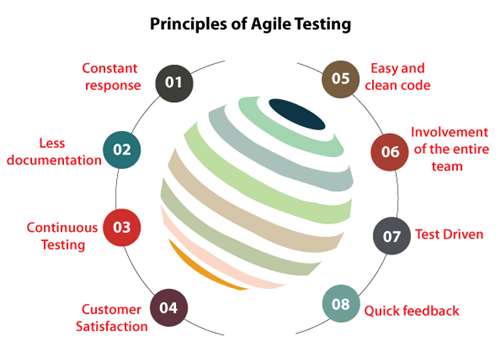
- Improves software quality: Continuous testing throughout development leads to fewer issues in production.
- Supports faster release cycles: Ideal for Agile and DevOps environments where development and testing happen continuously.
- Enhances customer satisfaction: Fewer defects translate to more reliable and stable products.
3. How to Implement Shift Left
- Requirement Testing: Verify that requirements are clear, consistent, and feasible.
- Design Review: Evaluate architecture, UI/UX, and business rules before coding begins.
- Unit Testing & Test-Driven Development (TDD): Write test cases before coding.
- Early Automation Testing: Integrate automated tests into the CI/CD pipeline.
- Static Code Analysis: Use tools to scan code during development to catch issues early.
4. Benefits of Shift Left Testing
- Reduces defect leakage to later stages.
- Saves time and cost in development.
- Improves efficiency of both development and QA teams.
- Results in more stable, maintainable software.
Conclusion
Shift Left Testing means “test early, test often, test continuously throughout the development lifecycle”, rather than only testing after the code is completed.
 Explore more on these topics





















 Guest Blogging: The Definitive Guide

 Top Trending Topics
 Share This
 Link copied!
 Recently Updated News