


Harnessing the Power of Ekiden Methodology Across Multiple Domains
Last updated: October 20, 2025 Read in fullscreen view


 Recommended for you
- 01 Aug 2024
 The Standish Group report 83.9% of IT projects partially or completely fail 788/2605
 - 02 Nov 2023 Unlocking Success with The Amoeba Management Model: Key Lessons, Pros & Cons, and Finding the Perfect Fit 368/1054
- 09 Sep 2022 Kaizen, Kaikaku and Kakushin – what’s the difference? 356/3430
- 24 Nov 2022 Genba Genbutsu Genjitsu (3Gs), (Go to the Genba & see for yourself!) 268/3274
- 10 Nov 2021 5S methodology - the SECRET to Japanese SUCCESS 267/2014
- 01 Dec 2023 What is Amoeba Management? 256/1249
- 13 Apr 2024 Lessons on Teamwork and Leadership from Chinese story book "Journey to the West" 249/1334
- 13 Oct 2025 Mastering the Dynamic Squad Model: A Modern Approach to Agile Teams 204/408
- 03 Jan 2024 What is the Ringi process? 200/1216
- 07 Mar 2023 Japan’s Unusual Farming Strategy: Renting Land and Leaving It Fallow for 5 Years — Here’s the Truth… 185/308
- 02 Nov 2021 What is Terms of Reference (ToR)? 166/1742
- 18 Oct 2020 How to use the "Knowns" and "Unknowns" technique to manage assumptions 163/1257
- 01 Mar 2022 The Toyota Way Management Principles 148/960
- 02 Feb 2022 Yokoten: Best Practice Sharing from a success 134/1558
- 01 Apr 2022 Ishikawa (fishbone) diagram in software project management 133/3322
- 09 Sep 2022 What is 5 Whys (Five Whys)? 121/1096
- 11 Jan 2024 What are the Benefits and Limitations of Augmented Intelligence? 119/605
- 06 Jun 2022 HEIJUNKA: The art of leveling production 118/738
- 29 Jan 2026 Honne and Tatemae: Why Do Japanese People Seem Excessively Polite and Indirect? 118/142
- 13 Dec 2020 Move fast, fail fast, fail-safe 117/456
- 18 Aug 2022 What are the consequences of poor requirements with software development projects? 116/384
- 19 Sep 2022 Jidoka in Software Development and Odoo ERP/MRP 115/665
- 23 Jun 2024 Best Practices for Managing Project Escalations 113/318
- 06 Feb 2021 Why fail fast and learn fast? 113/588
- 01 Oct 2020 Fail fast, learn faster with Agile methodology 112/1186
- 29 Aug 2022 Difference between Kaizen and Innovation 112/1017
- 27 Aug 2022 Kaizen - Culture of Continuous Improvement and Lean Thinking 111/1003
- 31 Dec 2025 26 Things You Should Do Now to Prepare for 2026 109/155
- 15 Jul 2022 Hansei Methodology: Continuously Engaging People in Improvement 105/858
- 02 May 2022 What Is RAID in Project Management? (With Pros and Cons) 104/947
- 01 Mar 2024 10 Project Management Myths 104/276
- 03 Apr 2022 Microsoft Solutions Framework (MSF) 103/1445
- 12 Aug 2022 What is End-to-end project management? 102/608
- 12 Mar 2022 The u-Japan concept 102/391
- 17 Mar 2023 Reduce waste in software development with 3M model: Muda, Mura, Muri 100/1070
- 14 Mar 2024 Why should you opt for software localization from a professional agency? 100/239
- 04 Mar 2024 Tree Ring Management: Take the Long Term View and Grow Your Business Slowly 99/543
- 01 Jan 2023 How To Use Poka-Yoke (Mistake Proofing) Technique To Improve Software Quality 99/758
- 13 Jul 2022 Applying the business mantra "HORENSO" to Achieve 360-degree Communication 99/1059
- 01 Jan 2024 6 Japanese Life Principles That Quietly Transform You 99/224
- 23 Sep 2021 INFOGRAPHIC: Top 9 Software Outsourcing Mistakes 98/521
- 15 Apr 2022 Total Quality Management (TQM) - Japanese-style management approach to quality improvement. 97/821
- 03 Jan 2023 Organizing your agile teams? Think about M.A.T (Mastery, Autonomy, Purpose) 96/493
- 14 Oct 2021 Advantages and Disadvantages of Time and Material Contract (T&M) 92/985
- 12 Dec 2024 Danshari: A Japanese Minimalist Philosophy for Cleaner Code and Leaner IT Operations 92/175
- 02 Nov 2022 Difference between Change Management and Project Management 88/320
- 08 Oct 2022 KPI - The New Leadership 85/692
- 28 Dec 2021 8 types of pricing models in software development outsourcing 85/519
- 09 May 2022 Build one to throw away vs Second-system effect: What are differences? 85/396
- 10 Apr 2024 The Parking Lot Method: Unlocking a Simple Secret to Supercharge Your Productivity 84/603
- 18 Dec 2023 The Cone of Uncertainty in Scrum & Requirement Definition 80/814
- 01 Aug 2022 Is planning "set it and forget it" or "set it and check it"? 79/376
- 10 Nov 2022 Poor Code Indicators and How to Improve Your Code? 79/296
- 17 Oct 2021 Does Fast Tracking increase project cost? 78/451
- 19 Oct 2021 Is gold plating good or bad in project management? 78/909
- 22 May 2022 What are common mistakes that new or inexperienced managers make? 78/359
- 10 Dec 2023 Pain points of User Acceptance Testing (UAT) 77/535
- 07 Dec 2023 12 project management myths to avoid 75/267
- 14 Jun 2022 Example and Excel template of a RACI chart in Software Development 75/947
- 17 Feb 2022 Prioritizing Software Requirements with Kano Analysis 75/379
- 18 Oct 2021 Key Elements to Ramping Up a Large Team 74/1331
- 07 Jul 2022 Managing Project Execution Terms 74/481
- 18 Feb 2026 "Hit and Run" Project Management: Balancing Speed with Sustainability 74/100
- 01 Jun 2020 Japan Business Review (JBR) 73/408
- 19 Apr 2021 7 Most Common Time-Wasters For Software Development 72/617
- 01 Mar 2023 Bug Prioritization - What are the 5 levels of priority? 68/297
- 12 Mar 2024 How do you create FOMO in software prospects? 67/240
- 27 Jan 2020 Should a project manager push developers to work more hours due to mistakes of manager schedule setting? 67/508
- 31 Oct 2021 Tips to Fail Fast With Outsourcing 65/456
- 15 May 2022 20 Common Mistakes Made by New or Inexperienced Project Managers 63/345
- 02 Dec 2021 3 Ways to Avoid Scope Creep in IT Consulting 62/271
- 20 Jul 2022 Software Myths and Realities 60/1001
- 05 Jan 2024 Easy ASANA tips & tricks for you and your team 60/258
- 24 Nov 2023 The project management paradox: Achieving MORE by doing LESS 59/289
- 06 Jun 2022 Change Management at the Project Level 58/364
- 02 Jun 2024 Reviving Ancient Wisdom: The Spiritual Side of Project Management 58/314
- 05 Jun 2023 Fractional, Part-Time (virtual) or Interim CTO: Who Will Cover Your Business Needs? 58/200
- 26 Nov 2024 Harnessing Time Management Skills for Remote Team Effectiveness 58/276
- 26 Sep 2024 Successful Project Management Techniques You Need to Look Out For 57/454
- 13 Jan 2020 Quiz: Test your understanding project cost management 55/701
- 10 May 2022 Levels of Teamwork 54/249
- 26 Dec 2023 Improving Meeting Effectiveness Through the Six Thinking Hats 53/329
- 30 Nov 2023 Project Managers, Focus on Outcomes — Not Deliverables 52/213
- 21 Jun 2024 Dead Horses and the Escalation of Commitment 45/183
- 06 Nov 2019 How to Access Software Project Size? 39/296
The Ekiden methodology draws inspiration from Japan’s long-distance relay races, where teams pass a tasuki sash to maintain momentum, and from the Ekiden blockchain platform, which runs confidential off-chain smart contracts. Both emphasize sequential handoffs, teamwork, and efficiency.
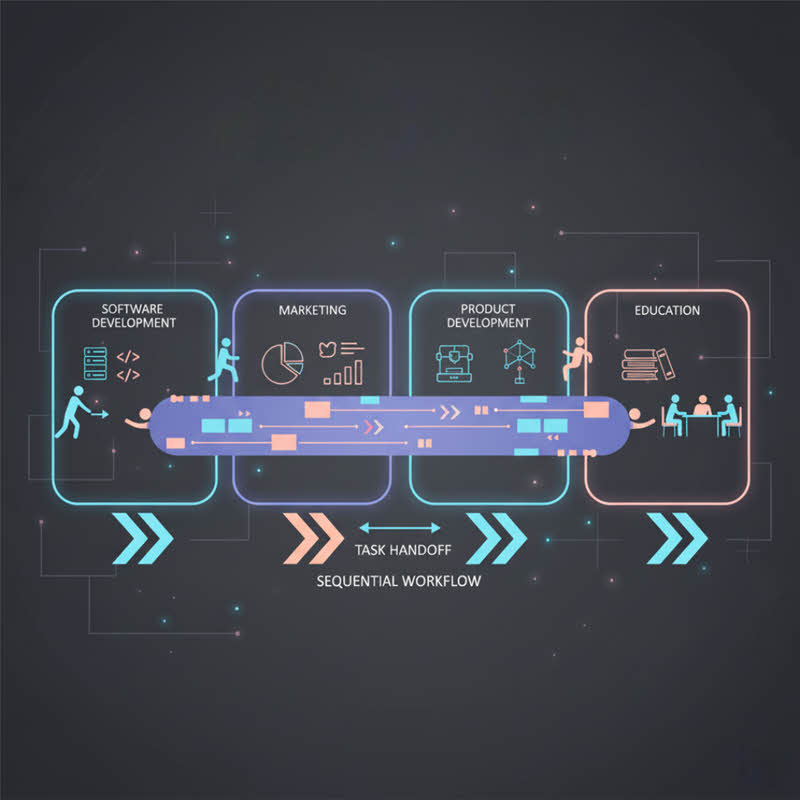
In business and technology, Ekiden enhances agile workflows by ensuring tasks move smoothly from one team member to another. In software development, squads can pick up sprints from previous stages, while marketing teams can relay campaigns from creative design to analytics. Product development, healthcare, and education also benefit from structured, iterative collaboration.
Adopting Ekiden methodology leads to enhanced accountability, reduced bottlenecks, and scalable collaboration, transforming how teams operate in modern organizations.
In today’s fast-paced business environment, agility, collaboration, and efficiency are more than just buzzwords—they are critical success factors. One approach that has been gaining traction among project managers, product teams, and operational leaders is the Ekiden methodology. Rooted in principles of sequential teamwork and iterative delivery, Ekiden provides a framework that enhances productivity and adaptability in various contexts.
What is Ekiden Methodology?
Inspired by the Japanese long-distance relay race, Ekiden methodology emphasizes relay-style collaboration within teams. Instead of working in isolated silos or strictly linear processes, teams pass responsibilities smoothly from one member or squad to another, ensuring continuity, accountability, and consistent momentum. Each “leg” of the project builds on the previous one, with clear checkpoints, handoffs, and shared objectives.
The term "Ekiden methodology" can refer to two different concepts:
- A Japanese long-distance relay running race
- A blockchain platform for confidential, off-chain smart contract execution
Ekiden as a Running Race
- Definition: A type of long-distance relay race, particularly popular in Japan.
- Teamwork: Teams of runners cover consecutive legs of a race.
- The Tasuki: The defining feature is the passing of a sash called a tasuki, symbolizing teamwork and continuity.
- History: The name "ekiden" means "station message," originating from a historical system of passing messages along postal routes.
The race emphasizes relay-style collaboration, where each runner contributes to the collective goal, creating momentum and accountability. This concept directly inspired the Ekiden methodology in business and technology, emphasizing sequential handoffs, clear responsibilities, and iterative progress.
Ekiden as a Blockchain Platform
- Definition: A platform for running smart contracts off-chain while maintaining privacy and security.
- Architecture: It separates computation from blockchain consensus, with smart contract computations happening off-chain in secure environments.
- Technology: Uses Trusted Execution Environments (TEEs) to ensure confidentiality and integrity for private data and computations.
- Benefits: Provides high performance, low cost, and privacy protection compared to on-chain execution.
- Implementation: Can be built on top of various blockchains and supports contract development in languages like Rust and the EVM.
This blockchain-based approach extends the relay principle to computation, passing tasks securely through multiple stages while maintaining trust, privacy, and efficiency.
Key characteristics of Ekiden methodology include:
- Sequential collaboration with parallel efficiency: Tasks move forward without bottlenecks.
- Transparent handoffs: Every team member knows what has been done and what is next.
- Iterative progress with feedback loops: Continuous improvements at each stage.
- Cross-functional integration: Encourages diverse expertise to contribute at appropriate stages.
Applications of Ekiden Methodology in Business
1. Software Development and IT Projects
Ekiden methodology is naturally suited for software development, where modularity and iterative delivery are essential.
- Agile-friendly integration: Teams can implement sprints in a relay fashion, where each squad or developer picks up work from the previous stage.
- Quality assurance handoff: Continuous integration and testing can follow the relay principle, reducing bugs and improving release cycles.
- Cross-functional squads: Developers, testers, UX designers, and DevOps engineers can collaborate sequentially while maintaining overall velocity.
2. Marketing and Content Production
Marketing campaigns often involve multiple departments: creative, strategy, analytics, and operations. Ekiden methodology ensures smooth coordination:
- Campaign relay: Creative content moves seamlessly from design to copywriting, review, and distribution.
- Analytics feedback loops: Performance insights feed back into the next campaign phase, enhancing adaptability.
- Multi-channel alignment: Teams working on social media, email marketing, and PR can integrate efficiently without duplication of effort.
3. Product Development and Manufacturing
From concept to market-ready products, the Ekiden approach provides structure and clarity:
- Sequential prototyping: Design, engineering, and testing phases can be clearly segmented yet interconnected.
- Supply chain coordination: Handoffs between suppliers, manufacturers, and logistics teams are optimized for timing and accountability.
- Continuous improvement: Feedback at each stage informs iterative product enhancements.
4. Healthcare and Research
Healthcare projects—clinical trials, hospital operations, and research studies—benefit from a structured relay approach:
- Patient care coordination: Medical teams can ensure each phase of treatment is delivered efficiently.
- Research collaboration: Data collection, analysis, and reporting can follow a clear, relay-style workflow, reducing errors and delays.
- Policy implementation: Public health initiatives can be rolled out in stages with clear responsibilities.
5. Education and Training Programs
Ekiden methodology enhances collaborative learning and program delivery:
- Curriculum development: Subject matter experts can pass modules to instructional designers and educators efficiently.
- Project-based learning: Students work in teams, handing off deliverables and learning from each stage.
- Continuous assessment: Feedback loops allow instructors to refine the learning path progressively.
Why Organizations Should Consider Ekiden
Implementing Ekiden methodology offers several benefits:
- Enhanced accountability: Each team member knows their role and contribution.
- Reduced bottlenecks: Sequential handoffs prevent delays and duplicated effort.
- Scalable collaboration: Works for small teams or large enterprises.
- Resilient workflows: Iterative feedback allows for continuous improvement and adaptability.
In conclusion, Ekiden methodology is more than just a project management style; it is a philosophy of teamwork, continuity, and efficiency. Whether in software development, marketing, product design, healthcare, or education, adopting a relay-style workflow can transform how teams operate, boosting productivity, accountability, and overall success.
 Explore more on these topics























 Guest Blogging: The Definitive Guide

 Top Trending Topics
 Share This
 Link copied!
 Recently Updated News