
What Are The 4 Types of Maintenance Strategies?
Last updated: December 22, 2025 Read in fullscreen view


 Recommended for you
- 15 Feb 2024
 What is a Cut-Over in Software Development? 202/1530
 - 02 Nov 2023 Differences between software walkthrough, review, and inspection 170/2317
- 05 Mar 2026 Top 7 Full-Cycle Web App Development Companies for Your Business in 2026 166/217
- 17 Mar 2026 How Much Does it Cost to Build an AI Agent in 2026 164/233
- 08 Oct 2024 Vietnam: The Rising Star in Global Outsourcing – Trends and Costs for 2025 156/519
- 11 Mar 2026 OEM, ODM, and OBM in Software Development: Choosing the Right Growth Path 147/174
- 07 Jul 2024 Top Fintech Companies in Vietnam Driving Innovation Across Digital Banking & Investment 144/280
- 12 May 2021 The Real Cost Between Outsourcing IT vs In-House: A Quick Comparison 136/582
- 02 Feb 2026 What Is the Total Cost of Web Development for Small & Medium Businesses? 133/166
- 17 Mar 2026 Top 10 Product Development Companies in Chennai 2026 (Updated) 132/149
- 16 Oct 2024 Building a Software Outsourcing Startup: Strategy Through Two Canvases 132/172
- 16 Feb 2026 Education App Development Cost in 2026: Benchmarks and Key Cost Drivers 129/187
- 11 Oct 2021 10 Myths About Low-End Project Management Software 127/466
- 10 Mar 2021 The 7 Biggest Mistakes to Avoid Before Outsourcing a Web Development Project 126/360
- 13 Oct 2021 What is Bug Convergence? Why is it important for User Acceptance Testing (UAT)? 125/894
- 28 Oct 2023 The GOLDEN Rules of Software Engineering 125/699
- 21 Aug 2025 Top 30 Oldest IT Outsourcing Companies in Vietnam 125/230
- 05 Aug 2025 Why Doesn’t South Korea Outsource Its IT Projects Like Other Developed Countries? 124/230
- 06 Feb 2026 How Much Does a CPA Cost for a Small Business? 124/147
- 11 Mar 2024 Why You Should Hire Odoo Developers from Vietnam to Customize Your ERP System 122/228
- 05 Jan 2022 What Outsourcing Engagement Model is Right For You? 119/431
- 01 Jan 2023 Top Software Development Challenges in 2023 119/438
- 10 Jan 2024 Facts Chart: Reasons for outsourcing 114/269
- 19 Oct 2020 The hidden costs of outsourcing software development 111/579
- 02 Dec 2022 3 Levels of Quality in KANO Analysis Model 110/1288
- 13 May 2022 IT Training and Development: The most effective options for upskilling IT staff 107/1358
- 02 May 2022 What Is RAID in Project Management? (With Pros and Cons) 107/954
- 01 Mar 2022 Top 5 reasons why outsourcing to Vietnam is a smart move 106/391
- 01 Jan 2023 4 New IT Outsourcing Pricing Models to consider in 2023 106/481
- 01 Jan 2024 What The World Is Flat Means to IT Outsourcing 104/272
- 09 Sep 2022 Close Collaboration and Communication Can Overcome the Challenges of Distributed Teams 103/310
- 21 Oct 2021 Advantages and Disadvantages of IT Outsourcing 103/459
- 24 Nov 2025 Top Blockchain Companies in Vietnam 100/145
- 10 May 2021 What are things you should look for in a good IT outsourcing company? 99/547
- 24 Nov 2021 What is the Actual Cost of Hiring Cheap Developers? 98/494
- 31 Oct 2025 The True ROI of Software Development Outsourcing for Tech Startups 98/178
- 03 Dec 2025 IT Outsourcing Solutions Explained: What, How, Why, When 98/130
- 01 Sep 2019 Outsourcing Software To Vietnam: Facts, benefits and limitations 97/558
- 01 Jan 2023 Software Development Outsourcing Trends to Watch Out for in 2023 93/416
- 21 Oct 2025 Cloud-Native Development: Why It’s the Future of Enterprise IT 93/182
- 01 Jan 2023 Top 5 IT outsourcing countries in 2023 92/367
- 01 Apr 2021 IT Outsourcing to vietnam: Why It Is A Good Choice? 92/390
- 15 Aug 2021 TIGO Rate Formula - Things the partners should know 90/620
- 05 May 2021 TIGO Magic Scale - PoC tool for you to apply dichotomous thinking before submitting RFP 89/421
- 15 Oct 2022 Project-based team model for one-off and pilot software development projects 87/915
- 13 Jan 2023 What are the Hourly Rates in Offshore Software Development? 86/327
- 12 Jan 2023 Top 10 Trustworthy IT Outsourcing Companies in Vietnam 86/368
- 16 Dec 2021 Why outsource Python development of your project? 85/583
- 04 Mar 2023 [Medium] Box-Ticking: The Management Strategy That’s Killing your Productivity 85/751
- 13 Oct 2021 Why Outsourcing Software Development Services Is Gaining Traction With Non-Technical Leaders? 84/399
- 19 Mar 2021 Selective Outsourcing of IT Functions - a new trend in business outsourcing 84/646
- 17 Jan 2024 What are the benefits and challenges of using multi-sourcing or single-sourcing strategies? 82/284
- 03 Jan 2023 IT Outsourcing Costs: Is outsourcing really cost-effective? 81/291
- 03 Oct 2020 Outsourcing Your MVP Development - Streamlined Solutions for future 81/507
- 14 Dec 2021 The Top 10 Problems with Outsourcing Implementation and How to Solve Them 81/477
- 01 Feb 2024 How long does it take to develop software? 80/290
- 02 Nov 2023 What are the pros and cons of iIT outsourcing? 78/291
- 14 Oct 2021 Stream Story - Low land stream or fast moving stream? 77/703
- 04 Apr 2024 Unlock Vietnamese-Japanese outsourcing potential 76/310
- 01 Jun 2025 10 Sustainable & Unique IT Outsourcing Companies in Vietnam 76/158
- 22 Mar 2022 8 Mistakes Marketing Agencies or Consulting Firms Make When Outsourcing Web Development 75/420
- 04 Jan 2021 VIETNAM AS A BIG ATTRACTIVE DESTINATION IN THE FIELD OF OUTSOURCING 75/400
- 21 Aug 2022 Forbes: IT Outsourcing Hotspot: Vietnam, A Small But Mighty Powerhouse 74/329
- 03 Nov 2021 7 phases of Odoo Implementation and Development: Can they be outsourced? 74/498
- 28 Oct 2022 Expect the unexpected in 2023 - How Outsourcing Can Help? 74/278
- 03 Nov 2022 Top questions and answers you must know before ask for software outsourcing 73/358
- 17 Dec 2025 Unaligned Escalation Logic: A Silent Risk in Complex Organizations 72/96
- 12 Oct 2021 Vietnam outsourcing path - the silk road connecting ASEAN with the developed countries (EU, US, Japan...) 71/412
- 06 Oct 2021 Intellectual property issues with outsourcing software development 71/456
- 02 May 2021 Outsourcing Software Development: Avoid 8 Mistakes 70/207
- 17 Oct 2020 How Outsourcing can Improve Time Management for Better Business 69/367
- 10 May 2021 Project Audit and Second Opinion Services 69/315
- 09 Jan 2021 How can outsourcing enable business agility? 68/258
- 01 Jan 2024 Hiring Tech Talents in Asia: An Overview of Skills, Costs, and Potential 68/228
- 15 Nov 2023 IT Staff Augmentation Types and the Best Choice for Your Business 66/279
- 01 Oct 2022 Vietnam is a favorite supply of IT outsourcing services to Japan 64/300
- 02 Mar 2021 Estimate the Cost of Software Development 63/427
- 01 Jan 2024 Tech Partnerships: Choosing the Right Software Outsourcing Firm in Vietnam 63/235
- 25 Sep 2025 A Practical Guide to Secure Online Work for Outsourced Teams 62/157
- 01 May 2023 Streamline Your Business with Outsourcing 62/267
- 11 Mar 2023 Common Pain Points in Software Development Outsourcing 62/327
- 01 Jan 2024 12 reasons for software development outsourcing 62/267
- 01 Oct 2020 Handling tight project deadlines as a business analyst 61/390
- 01 Jan 2024 Software Outsourcing Questions for 2024 60/209
- 08 Aug 2021 Why Nearshore Software Development is better than In-House Development? 59/254
- 07 Nov 2024 Outsourcing Crisis Looming: Will Trump's Policies Transform the Global IT Landscape? 59/242
- 01 Jan 2023 Why is Vietnam the Top IT Outsourcing Destination of 2023? 57/298
- 08 Feb 2022 Software Development: Fixed Cost or Opportunity Cost? 55/516
- 08 Jan 2024 Outsourcing on an As-Needed Basis 51/216
- 16 Mar 2021 Outsource Data Engineering Services - TIGO Streamlined Solutions 51/307
- 31 Dec 2021 Outsourcing Software Development to mitigate the impact of COVID-19 50/373
- 01 Feb 2023 [InfoWorld] Is your outsourcer agile enough? 50/243
- 03 Nov 2022 Questions and answers about Kano Model 48/943
- 21 Oct 2022 Outsourcing Billable Rate 46/316
- 25 Nov 2021 Low-Cost Software Development: Buy Nice or Buy Twice? 44/408
- 03 Jun 2026 Enterprise Guide to Choosing the Right Enterprise Application Development Services 34/37
Ensuring optimal machine operation is of central importance in any industrial activity. Any degradation in operation, be it availability, performance, or quality, impacts the bottom line, which can be millions of dollars in high volume manufacturing. Therefore planned maintenance at regularly scheduled intervals is a broadly accepted concept and practice in the industry. However, such a practice is sub-optimal in serving the goal of optimal machine operation. Regularly scheduled maintenance can be overkill on the one hand, leading to unnecessary scheduled machine downtime and therefore productivity loss. On the other hand it doesn’t entirely prevent an unforeseen machine break down. The Holy Grail is to be able to predict when to schedule necessary maintenance under any circumstance before a break down occurs. Big data analytics and machine learning are the primary tools available to manufacturers to predict when to schedule maintenance.
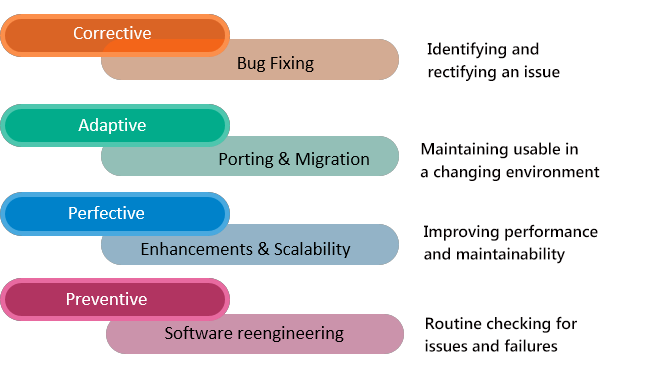
4 software maintenance categories
Maintenance strategies can be categorized as follows:- Reactive maintenance: Maintenance is only performed when the machine breaks down.
- Preventive maintenance: Maintenance is performed at regular intervals.
- Conditional maintenance: Maintenance is scheduled in anticipation of a breakdown, based on monitoring of the asset and using prior experience to assess the need to schedule maintenance.
- Predictive maintenance: Maintenance is scheduled in anticipation of a breakdown, using big data analytics and machine learning to predict the probability of a failure by models trained on discerning usage and wear data patterns. Since maintenance is scheduled not later and not sooner, but at the right moment, predictive maintenance can also be called just-in-time maintenance.
Reactive maintenance sits at the highest end of the cost impact scale and at the lowest end of the maintenance anticipation scale, whereas predictive maintenance sits at the lowest end of the cost impact scale and at the highest end of the maintenance anticipation scale.
Another very important distinction between predictive maintenance and the other maintenance strategies is the fact that the former will be able to predict maintenance to be performed ahead of time even when machine conditions change relatively more rapidly than usual. In contrast, the preventive maintenance strategy will need to fall back to reactive maintenance in case of such conditions, while in case of the conditional maintenance strategy the unusually rapid changes may not be recognized early enough, causing here too the need to fall back to reactive maintenance.An important aspect of predictive maintenance is that machine learning is able to learn at a much faster rate from historical data then humans are capable of. For instance, if years of recorded machine data are already available, then machine learning algorithms can learn from this data in a matter of hours, whereas a person would need days, weeks, or even longer to analyze the data and learn from it. And even then, it may not be possible at all for a person to learn from it if the data is only available in numeric form and not in a form that is suitable for any of the five senses. Furthermore, if the person leaves the manufacturing organization after having learned from the data, the knowledge is lost and the process has to start all over again.
Preventive software maintenance
Preventive maintenance refers to software changes carried out to futureproof your product. So, software maintenance changes are preventive when they prepare for any potential changes ahead.
This includes making your code easier to scale or maintain and managing your legacy content. It also covers finding and fixing latent faults in your product, before they evolve into operational faults.
Preventive software maintenance, then, tends to be behind the scenes. Think tidying and preparation, rather than headline changes.
Your users are unlikely to notice preventive software changes – but they still have a positive effect later. This is because preventive maintenance can mean the smoother implementation of bigger changes later down the line. (As well as ongoing stability day to day.)
Corrective software maintenance
Corrective changes in software maintenance are those that fix bugs, flaws and defects in the software. It often comes in the form of quick, small updates on a semi-regular basis.
For users, corrective software maintenance is unlikely to cause negative sentiment. Who, after all, is unhappy about annoying bugs, glitches or issues getting fixed? This category of change helps make the user experience instantly and obviously smoother, as well as more reliable.
However, on the odd occasion, a corrective change may cause some disruption to users. This might happen when a bug or flaw in the software is long-standing – and the user has grown accustomed to it.
In such a case, a user may have adapted their behaviour around a flaw in your software. When it’s fixed, they must change their behaviour again, which can cause a negative response. Another time that a corrective change might upset a user is if they struggle with a certain bug or issue, but it isn’t fixed when other issues (that don’t affect them) are fixed.
So, with corrective software maintenance, it’s important to act quickly and often. That helps you offset any potential user problems, and keep your product in shipshape.
Adaptive software maintenance
The tech environment is constantly changing. New knowledge, hardware, and cybersecurity threats mean that software quickly becomes outdated. Adaptive software maintenance addresses this issue.
Adaptive changes focus on the infrastructure of the software. They’re made in response to new operating systems, new hardware, and new platforms, to keep the program compatible.
Adaptive software changes tend to be low impact for users as they deal with the internal workings of the software. (Making sure it can integrate with new tech) Users may notice a small improvement in speed or scalability but are otherwise unaffected.
In fact, users are more likely to notice when adaptive maintenance isn’t completed. For example, it would mean their software stops working on their up-to-date devices.
Perfective software maintenance
The last software maintenance category is the biggest. Perfective software maintenance addresses the functionality and usability of the software. Perfective maintenance involves changing existing product functionality by refining, deleting, or adding new features.
As well as changing the way a product works, perfective changes might also change the way it looks. Any user interface tweaks, redesigns, or in-app user journey changes fall under the perfective maintenance category, too.
This scope and palpability make perfective maintenance the most likely to elicit change aversion in users. After all, perfective changes are highly noticeable. Users won’t notice a bit of refactored back-end code, but they’ll notice any chops and changes visible up-front.
So, managing perfective changes means communicating with your users to mitigate any potential negative sentiment. Try using product feedback, dogfooding, and offering accessible support. Change is necessary: but make sure you manage it effectively.
Manage your maintenance
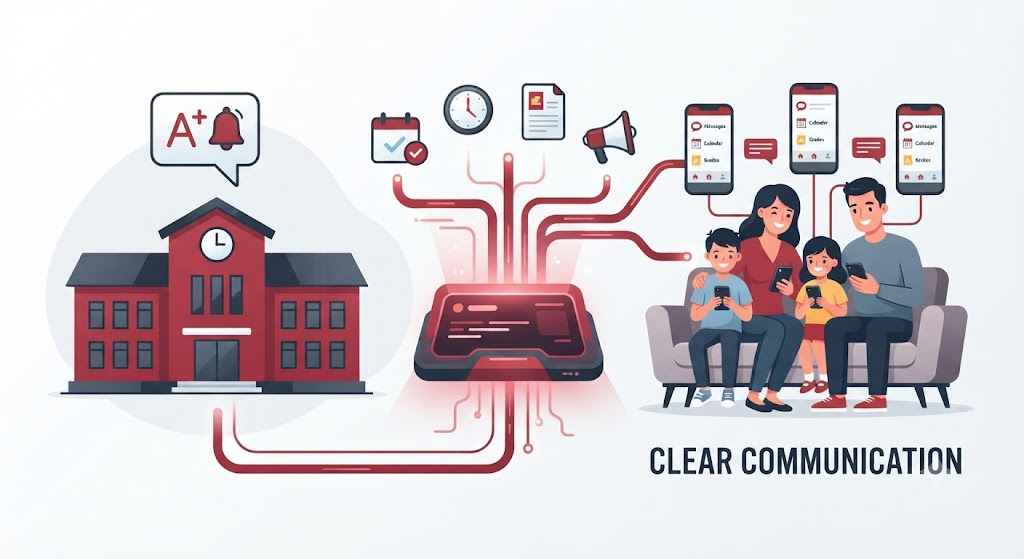
Software maintenance is integral to keeping software running smoothly. But it’s not enough to merely make your changes and deploy them unannounced. When performing software maintenance, it’s important to consider what effect the changes you make could have on your users.
If your software maintenance could cause confusion, you need to make sure you’re effectively communicating with – and supporting – your users. That way, you avoid the potential disruption of change and ensure that maintenance stays your product’s mainstay.
 Explore more on these topics





















 Guest Blogging: The Definitive Guide

 Top Trending Topics
 Share This
 Link copied!
 Recently Updated News