

3 Ways to Avoid Scope Creep in IT Consulting
Last updated: July 13, 2024 Read in fullscreen view


 Recommended for you
- 01 Aug 2024
 The Standish Group report 83.9% of IT projects partially or completely fail 811/2634
 - 13 Apr 2024 Lessons on Teamwork and Leadership from Chinese story book "Journey to the West" 273/1365
- 17 Jul 2023 What Is SSL? A Simple Explanation Even a 10-Year-Old Can Understand 197/292
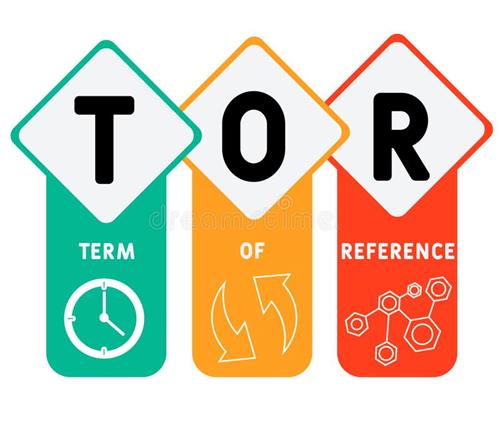
- 02 Nov 2021 What is Terms of Reference (ToR)? 181/1760
- 20 Mar 2022 What is a Multi-Model Database? Pros and Cons? 175/1403
- 18 Oct 2020 How to use the "Knowns" and "Unknowns" technique to manage assumptions 169/1264
- 09 Jan 2022 How to Bridge the Gap Between Business and IT? 161/364
- 30 Oct 2022 How Much Does MVP Development Cost in 2023? 158/419
- 01 Dec 2022 Difference between Set-based development and Point-based development 148/514
- 27 Oct 2020 8 principles of Agile Testing 143/1459
- 21 May 2022 "Fail Fast, Fail Often, Fail Forward" is the answer to Agile practices of software success 139/1188
- 13 Nov 2021 What Is Bleeding Edge Technology? Are bleeding edge technologies cheaper? 137/707
- 23 Sep 2021 INFOGRAPHIC: Top 9 Software Outsourcing Mistakes 135/558
- 10 Apr 2022 Agile self-organizing teams: What are they? How do they work? 135/696
- 01 Sep 2022 Facts Chart: Why Do Software Projects Fail? 134/729
- 03 Jul 2022 What is the difference between Project Proposal and Software Requirements Specification (SRS) in software engineering? 133/1174
- 05 Jul 2020 What is Sustaining Software Engineering? 129/1475
- 18 Aug 2022 What are the consequences of poor requirements with software development projects? 128/396
- 07 Dec 2023 12 project management myths to avoid 127/319
- 10 Apr 2021 RFP vs POC: Why the proof of concept is replacing the request for proposal 124/452
- 16 Jul 2022 What are disadvantages of Agile Methodology? How to mitigate the disadvantages ? 123/519
- 01 Oct 2020 Fail fast, learn faster with Agile methodology 123/1197
- 03 Jul 2022 Manifesto for Agile Software Development 122/392
- 11 Jan 2024 What are the Benefits and Limitations of Augmented Intelligence? 121/608
- 23 Jun 2024 Best Practices for Managing Project Escalations 120/326
- 13 Dec 2020 Move fast, fail fast, fail-safe 120/463
- 28 Nov 2023 Scrum Team Failure — Scrum Anti-Patterns Taxonomy 120/375
- 06 Feb 2021 Why fail fast and learn fast? 118/596
- 01 Mar 2024 10 Project Management Myths 116/291
- 22 Sep 2022 Why is it important to have a “single point of contact (SPoC)” on an IT project? 112/1109
- 10 Apr 2022 What is predictive analytics? Why it matters? 111/292
- 07 Jul 2021 The 5 Levels of IT Help Desk Support 111/591
- 02 May 2022 What Is RAID in Project Management? (With Pros and Cons) 110/963
- 03 Apr 2022 Microsoft Solutions Framework (MSF) 110/1457
- 12 Aug 2022 What is End-to-end project management? 103/611
- 14 Mar 2024 Why should you opt for software localization from a professional agency? 102/241
- 03 Dec 2025 IT Outsourcing Solutions Explained: What, How, Why, When 102/134
- 16 Feb 2021 Choose Outsourcing for Your Non Disclosure Agreement (NDA) 100/270
- 30 Jan 2022 What Does a Sustaining Engineer Do? 100/735
- 14 Oct 2021 Advantages and Disadvantages of Time and Material Contract (T&M) 100/999
- 08 Nov 2022 4 tips for meeting tough deadlines when outsourcing projects to software vendor 99/391
- 02 Nov 2022 Difference between Change Management and Project Management 99/331
- 03 Jan 2023 Organizing your agile teams? Think about M.A.T (Mastery, Autonomy, Purpose) 98/497
- 20 Nov 2022 Agile working method in software and football 98/438
- 28 Dec 2021 8 types of pricing models in software development outsourcing 98/532
- 25 Apr 2021 What is outstaffing? 96/368
- 31 Dec 2021 What is a Data Pipeline? 95/300
- 07 Aug 2022 Things to Consider When Choosing a Technology Partner 94/377
- 07 Oct 2020 How To Manage Expectations at Work (and Why It's Important) 94/432
- 17 Feb 2022 Prioritizing Software Requirements with Kano Analysis 91/396
- 09 May 2022 Build one to throw away vs Second-system effect: What are differences? 91/403
- 08 Oct 2022 KPI - The New Leadership 89/698
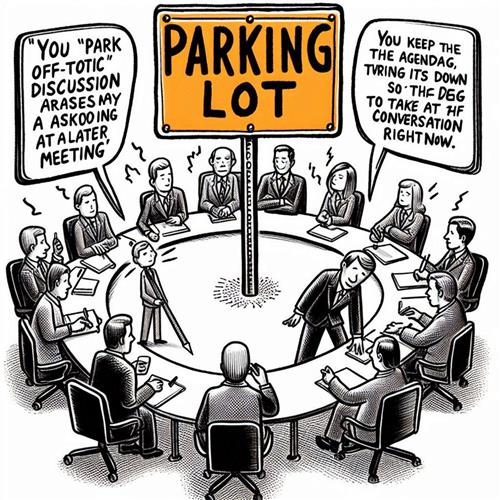
- 10 Apr 2024 The Parking Lot Method: Unlocking a Simple Secret to Supercharge Your Productivity 89/611
- 19 Oct 2021 Is gold plating good or bad in project management? 88/920
- 22 May 2022 What are common mistakes that new or inexperienced managers make? 87/368
- 01 Jun 2022 How Your Agile Development Team is Just Like a Football Team? 87/305
- 09 Feb 2023 The Challenge of Fixed-Bid Software Projects 86/335
- 10 Nov 2022 Poor Code Indicators and How to Improve Your Code? 86/303
- 10 Jul 2025 Building AI-Driven Knowledge Graphs from Unstructured Data 86/248
- 01 Aug 2022 Is planning "set it and forget it" or "set it and check it"? 85/384
- 17 Oct 2021 Does Fast Tracking increase project cost? 84/469
- 14 Jun 2022 Example and Excel template of a RACI chart in Software Development 84/959
- 10 Dec 2023 Pain points of User Acceptance Testing (UAT) 83/544
- 18 Dec 2023 The Cone of Uncertainty in Scrum & Requirement Definition 83/819
- 12 Mar 2024 How do you create FOMO in software prospects? 80/254
- 01 Mar 2023 What is Unit Testing? Pros and cons of Unit Testing? 80/506
- 18 Oct 2021 Key Elements to Ramping Up a Large Team 80/1342
- 09 Oct 2022 Key Advantages and Disadvantages of Agile Methodology 80/784
- 07 Jul 2022 Managing Project Execution Terms 78/486
- 18 Feb 2026 "Hit and Run" Project Management: Balancing Speed with Sustainability 78/105
- 01 Mar 2023 Bug Prioritization - What are the 5 levels of priority? 75/304
- 03 Nov 2022 Top questions and answers you must know before ask for software outsourcing 74/359
- 12 Oct 2020 The Agile Manifesto - Principle #8 73/568
- 19 Apr 2021 7 Most Common Time-Wasters For Software Development 72/617
- 31 Oct 2021 Tips to Fail Fast With Outsourcing 70/461
- 16 Apr 2021 Insightful Business Technology Consulting at TIGO 70/525
- 20 Nov 2022 Software Requirements Are A Communication Problem 69/312
- 06 Mar 2021 4 things you need to do before getting an accurate quote for your software development 69/767
- 27 Jan 2020 Should a project manager push developers to work more hours due to mistakes of manager schedule setting? 68/509
- 15 May 2022 20 Common Mistakes Made by New or Inexperienced Project Managers 68/351
- 24 Nov 2023 The project management paradox: Achieving MORE by doing LESS 66/296
- 07 Oct 2022 Digital Transformation: Become a Technology Powerhouse 65/312
- 05 Jun 2023 Fractional, Part-Time (virtual) or Interim CTO: Who Will Cover Your Business Needs? 65/208
- 02 Jun 2024 Reviving Ancient Wisdom: The Spiritual Side of Project Management 65/330
- 05 Jan 2024 Easy ASANA tips & tricks for you and your team 64/263
- 06 Jun 2022 Change Management at the Project Level 64/370
- 20 Jul 2022 Software Myths and Realities 63/1007
- 30 Nov 2023 Project Managers, Focus on Outcomes — Not Deliverables 62/224
- 26 Sep 2024 Successful Project Management Techniques You Need to Look Out For 62/459
- 01 May 2023 CTO Interview Questions 60/395
- 13 Jan 2020 Quiz: Test your understanding project cost management 57/705
- 01 Mar 2022 Why Does Scrum Fail in Large Companies? 56/320
- 10 May 2022 Levels of Teamwork 56/251
- 26 Dec 2023 Improving Meeting Effectiveness Through the Six Thinking Hats 54/330
- 21 Jun 2024 Dead Horses and the Escalation of Commitment 52/191
- 09 Mar 2022 Consultant Implementation Pricing 51/265
- 21 Oct 2022 Virtual meeting - How does TIGO save cost, reduce complexity and improve quality by remote communication? 51/241
- 10 Oct 2022 Should Your Business Go Agile? (Infographic) 51/175
- 06 Nov 2019 How to Access Software Project Size? 50/309
- 01 Mar 2023 How do you deal with disputes and conflicts that may arise during a software consulting project? 50/211
- 02 Nov 2022 Frequently Asked Questions about Agile and Scrum 48/445
- 17 Mar 2025 IT Consultants in Digital Transformation 42/133
As a consultant, be it IT or creative, you’ve probably experienced a moment of doubt or uncertainty at some point in your career - and in most cases, it’s been related to your overall profitability.
There are many consultants and creative managers who can’t even get to sleep at night without worrying about where money is being spent, or why their bottom line looks the way it does - they’re just lying in bed trying to figure out ways to recover lost revenue.
If this sounds all too familiar, don’t stress - we’ve found a way for you to avoid these restless nights. With service operations automation, you’ll be able to deliver on those short term projects which can negatively affect your bottom line. For example, a two-month project represents roughly 16% of your total revenue (before interest and taxes) and that kind of percentage can mean the difference between overall profitability or a major loss.
So with that in mind, here are some ways to manage your profits and avoid feeling overwhelmed:
1. Streamline Everything For Real-Time Visibility
If your data is spread out between different tools, it’s really hard to get a clear overview of what’s actually happening inside your business. But what if you had a smart platform that could show you just how profitable you are, in real-time?
With the right business software, you’ll be able to schedule resources more efficiently, double down on certain projects (or pull back), and make sure you and your team’s workloads are manageable - so that everyone can get some sleep at night.
2. Automate Repeatable Processes
A Harvard Business Review study found that on average, 27% of service-based projects go over budget because time isn’t being used effectively. By automating your repetitive admin tasks, you’ll have more time to spend on the important things like projects that drive revenue and clients that bring in money.
Additionally, optimize the way you spend your time even further with Retainers and Contracts. They can be used for recurring work or returning clients - saving you from the brain-numbing task of rehashing old work.
3. Bulk Invoicing
With projects running over time and budget more often than not, it's important to have a fast-tracked billing cycle. Select a platform that offers Bulk Invoicing which is ideal for when you have a lot of clients to bill (for a lot of work) at the end of the month - we're talking days to minutes. Filter and search through all of your contacts and all of the work done for them, to find the specific types of work you want to invoice for. Then use the Bulk Invoicing feature to quickly create and send invoices to all of your clients in an instant!
FAQ - "Food for thoughts"
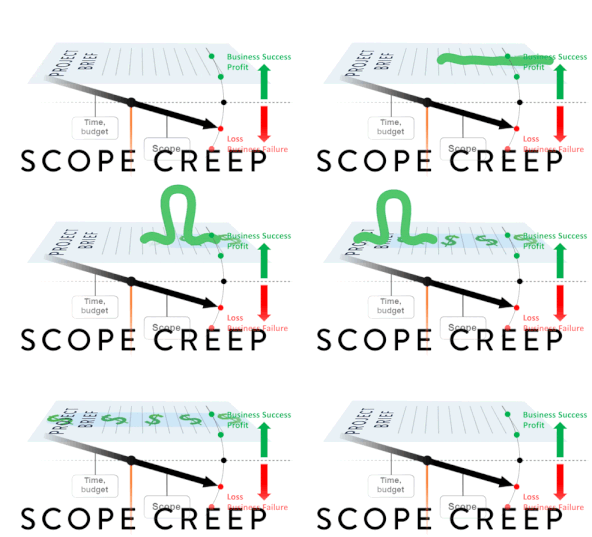
What is an example of scope creep?
An example of scope creep is when a client’s needs change. For instance, a freelance writer may deliver a technical proposal that they have written in accordance with the client's specifications only to be asked to add more unexpected sections to the deliverable. Another example would be that after a product's design has been decided upon, customers could request significant revisions to the product's functionality. These projects ultimately take more time and money to finish.
How can scope creep be prevented?
You can avoid scope creep by clearly defining a project’s requirements before project initiation, ensuring all stakeholders agree on these requirements, clearly communicating the scope creep risks, creating a clear scope creep management plan and training stakeholders to execute this control plan. Adding extra costs to the project's cost for scope increases or replying "no" to change requests are two other strategies used by businesses to prevent scope creep.
How does scope creep differ from gold plating?
Scope creep is frequently the result of extra features being added to a project at the client's request; this can lead to delays and increased costs, among other problems. When extra features are added to a project internally rather than at the client's request, this is known as "gold plating." Sometimes gold plating is done to please management or to attract more clients to the project. It can also sometimes be used to draw attention away from other issues related to the project.
 Explore more on these topics























 Guest Blogging: The Definitive Guide

 Top Trending Topics
 Share This
 Link copied!
 Recently Updated News
 thực chiến - Kiến tạo tương lai cho các nhà sáng tạo nội dung.