

AI Agents in SaaS Platforms: Automating User Support and Onboarding
Last updated: December 07, 2025 Read in fullscreen view


 Recommended for you
- 06 Mar 2026
 Next-Generation AI Agents Explained: OpenClaw, NanoClaw, IronClaw and the Rise of Agent Architectures 354/394
 - 05 Oct 2025 The New Facebook Algorithm: A Paradigm Shift in Content Discovery 279/341
- 21 Dec 2023 Top 12 Low-Code Platforms To Use in 2024 216/1512
- 23 Dec 2025 Microsoft Power Automate vs. n8n: What’s the Real Difference? 212/338
- 14 Aug 2024 From Steel to Software: The Reluctant Evolution of Japan's Tech Corporates 196/741
- 29 Oct 2024 Top AI Tools and Frameworks You’ll Master in an Artificial Intelligence Course 185/590
- 01 Dec 2025 Manufacturing 4.0: AI Agents Enabling Self-Optimizing Production Systems 174/235
- 03 Oct 2025 Top CMS Trends 2026: The Future of Digital Content Management 165/195
- 02 Dec 2025 The Question That Shook Asia: What Happens When We Ask AI to Choose Between a Mother and a Wife? 165/201
- 05 Jun 2025 How AI-Driven Computer Vision Is Changing the Face of Retail Analytics 165/288
- 09 Jul 2024 What Is Artificial Intelligence and How Is It Used Today? 164/419
- 23 Dec 2024 Garbage In, Megabytes Out (GIMO): How to Rise Above AI Slop and Create Real Signal 164/218
- 16 Oct 2025 AI Inference Explained Simply: What Developers Really Need to Know 162/196
- 25 Mar 2026 Token Bills: The "Cost Shock" After the AI Boom in Companies 162/185
- 21 Nov 2025 Top 8 Cloud Transformation Companies in USA in 2026 162/218
- 31 Dec 2025 10 Skills to Make You "Irreplaceable" in the Next 3 Years (even if AI changes everything) 157/188
- 20 Dec 2025 The Future of IT Consulting: Key Trends for 2026–2030 155/198
- 06 Nov 2025 Top 10 AI Development Companies in the USA to Watch in 2026 153/229
- 06 Dec 2025 Enterprise Operations 2.0: Why AI Agents Are Replacing Traditional Automation 148/192
- 24 Mar 2026 AI for Financial Reconciliation: Automating Finance Operations in 2026 147/177
- 26 Mar 2026 What Is a System Integrator (SI)? Why the Software Subscription Model Is Becoming the New Standard 142/176
- 28 Oct 2025 The Future of Real Estate: Key Trends and Essential Lessons in Digital Transformation 140/211
- 06 Nov 2025 DataOps: The Next Frontier in Agile Data Management 139/198
- 12 May 2026 Top 6 AI AR/VR Filter Tools for Mind-Blowing Videos and Photos in 2026 137/157
- 18 Jul 2024 The 8 Best ways to Innovate your SAAS Business Model in 2024 136/391
- 04 Feb 2026 Top Workflow Automation Services Driving Digital Transformation 134/169
- 25 Nov 2025 How AI Agents Are Redefining Enterprise Automation and Decision-Making 132/190
- 21 Apr 2026 Vibe Coding vs. Expert Shopify Development: What AI Tools Can (and Can't) Do? 130/155
- 31 Jul 2025 Top WooCommerce Pre-Order Plugins with Countdown & Discounts 127/224
- 15 Apr 2024 Weights & Biases: The AI Developer Platform 119/310
- 04 Mar 2026 CRM Trends Shaping Customer Engagement in 2026 117/145
- 22 Dec 2025 The Role of Automotive Software in Building Smarter Vehicles 117/159
- 25 Dec 2025 What Is Algorithmic Fairness? Who Determines the Value of Content: Humans or Algorithms? 117/160
- 20 Feb 2025 How Machine Learning is Shaping the Future of Digital Advertising 114/236
- 01 Jul 2025 The Hidden Costs of Not Adopting AI Agents: Risk of Falling Behind 113/262
- 21 Aug 2023 30 Must-Know IT Consulting Buzzwords Explained 113/141
- 12 Aug 2024 Creately: A Versatile Tool for Visual Thinkers 111/236
- 16 Aug 2022 What is a Headless CMS? 110/396
- 16 Aug 2022 What is a Headless CMS? 110/396
- 27 Jul 2024 Positive Psychology in the Digital Age: Future Directions and Technologies 109/538
- 29 Nov 2021 Memorandum of Understanding (MOU) for Partnership Agreements 108/678
- 17 Oct 2025 MLOps vs AIOps: What’s the Difference and Why It Matters 105/216
- 16 Dec 2025 Reducing Cognitive Friction in Software Development: A Guide to Faster, Happier Teams 104/177
- 06 Jan 2026 Risk & Change Management Through the 3P Model 103/148
- 02 Dec 2024 The Intersection of AI and Business Analytics: Key Concepts to Master in Your Business Analytics Course 103/398
- 03 Jan 2024 Why Partnership is important for Growth? 102/260
- 27 Aug 2025 How AI Consulting Is Driving Smarter Diagnostics and Hospital Operations 102/202
- 16 Mar 2023 10 Reasons to Choose a Best-of-Breed Tech Stack 102/316
- 10 Nov 2025 Multi-Modal AI Agents: Merging Voice, Text, and Vision for Better CX 101/215
- 20 Dec 2021 What is Hybrid Mobile App Development? 101/502
- 12 Jan 2026 Companies Developing Custom AI Models for Brand Creative: Market Landscape and Use Cases 100/132
- 15 Dec 2025 What Does ERP-Friendly Mean? A Practical Guide for Modern Enterprises 99/143
- 16 Sep 2022 Examples Of Augmented Intelligence In Today’s Workplaces Shaping the Business as Usual 99/535
- 16 Sep 2022 Examples Of Augmented Intelligence In Today’s Workplaces Shaping the Business as Usual 99/535
- 21 Nov 2025 The Rise of AgentOps: How Enterprises Are Managing and Scaling AI Agents 99/154
- 11 Oct 2022 Why choose Billable Viable Product (BVP) over Minimum Viable Product (MVP) 98/440
- 07 Nov 2022 Why Design Thinking can save the outsourcing industry 97/288
- 21 Aug 2024 What is Singularity and Its Impact on Businesses? 96/558
- 20 Aug 2025 What Is Agentic AI? The Next Phase of Artificial Intelligence 95/255
- 09 Sep 2025 Aligning BI Dashboards with KPIs: A Business + Data Collaboration Guide 95/183
- 18 Jan 2024 Self-healing code is the future of software development 95/312
- 24 Dec 2024 Artificial Intelligence and Cybersecurity: Building Trust in EFL Tutoring 95/265
- 25 Jan 2025 The Decline of Traditional SaaS and the Rise of AI-first Applications 93/198
- 25 Sep 2024 Enhancing Decision-Making Skills with an MBA: Data-Driven Approaches for Business Growth 93/300
- 06 May 2025 How Machine Learning Is Transforming Data Analytics Workflows 93/290
- 07 Nov 2025 Online vs. Offline Machine Learning Courses in South Africa: Which One Should You Pick? 92/163
- 05 Aug 2024 Revisiting the Mistake That Halted Japan's Software Surge 90/437
- 23 Jun 2025 AI Avatars in the Metaverse: How Digital Beings Are Redefining Identity and Social Interaction 89/276
- 24 Aug 2022 7 Ways to Improve Software Maintenance 85/388
- 28 Nov 2025 How AI Will Transform Vendor Onboarding and Seller Management in 2026 84/214
- 30 Jul 2024 The Future of IT Consulting: Trends and Opportunities 84/296
- 22 Sep 2025 Why AI Is Critical for Accelerating Drug Discovery in Pharma 82/197
- 31 Dec 2023 Software Development Outsourcing Trends to Watch Out for in 2024 81/311
- 22 Nov 2024 The Role of AI in Enhancing Business Efficiency and Decision-Making 81/276
- 18 Aug 2024 The Future of Web Development: Emerging Trends and Technologies Every Developer Should Know 79/274
- 04 Oct 2023 The Future of Work: Harnessing AI Solutions for Business Growth 78/359
- 03 Nov 2023 Why Is Billable Viable Product An Alternative To Minimum Viable Product? 77/268
- 31 Dec 2022 The New Normal for Software Development 76/429
- 10 Sep 2024 Leading Remote Teams in Hybrid Work Environments 76/220
- 27 Feb 2025 How AI Agents are Changing Software Development? 74/311
- 19 Dec 2023 How AI is Transforming Software Development? 73/366
- 21 Apr 2025 Agent AI in Multimodal Interaction: Transforming Human-Computer Engagement 71/266
- 09 Oct 2024 Short-Form Video Advertising: The Secret to Captivating Your Audience 68/200
- 05 Aug 2024 Affordable Tech: How Chatbots Enhance Value in Healthcare Software 63/293
- 15 Aug 2025 Quantum Technology: Global Challenges and Opportunities for Innovators 61/193
- 29 May 2026 The Role of IoT in Modern Insurance App Development 61/71
- 17 Mar 2025 Integrating Salesforce with Yardi: A Guide to Achieving Success in Real Estate Business 60/267
- 06 Dec 2024 Steps For Integrating Sustainable Practices Into Business Operations 60/209
- 29 Aug 2025 How AI Is Transforming Modern Management Science 59/126
- 10 Sep 2024 AI in Email Marketing: Personalization and Automation 55/232
- 25 Jun 2026 Vercel: The "Secret Weapon" for Modern, High-Performance Web Deployment 49/55
- 31 Dec 2022 Future of Software Development Trends and Predictions 48/199
- 13 Jul 2026 Why Every AI Initiative Needs Regular Audits 22/27
- 03 Dec 2025 Templafy Features Explained: The Ultimate Guide to Streamlined Content Management 9/178
| About the Author | Anand Subramanian | Technology expert and AI enthusiast |
Anand Subramanian is a technology expert and AI enthusiast currently leading the marketing function at Intellectyx, a Data, Digital, and AI solutions provider with over a decade of experience working with enterprises and government departments. |
In the competitive world of Software-as-a-Service (SaaS), user experience is everything. You may have the most powerful product, but if your users struggle to get started or find help when needed, your growth will suffer. Every SaaS company aims to deliver a seamless, scalable, and personalized experience, yet traditional methods for onboarding and support often fail to meet modern expectations.
This is where AI agents for SaaS are transforming the game. These intelligent systems go far beyond simple chatbots. They can understand user intent, automate workflows, provide proactive support, and continuously learn from interactions. From onboarding to customer service, SaaS AI agents are helping companies deliver faster, smarter, and more human-like experiences at scale.
Let’s explore how AI agents are reshaping SaaS platforms by automating user support and onboarding, and why embracing them can drive business growth and customer loyalty.
The SaaS Experience Challenge
SaaS platforms are powerful but often complex. A typical user might face steep learning curves, unclear configurations, or slow support responses. Research by Wyzowl shows that 63 percent of customers consider onboarding a deciding factor in whether they continue using a product. Yet many SaaS platforms still rely on lengthy documentation or one-size-fits-all video tutorials.
Meanwhile, users now expect instant answers. Human support teams are valuable but cannot be available 24 hours a day or handle repetitive questions efficiently. This creates frustration, slows adoption, and leads to high churn rates.
AI agents for SaaS address these challenges by combining automation, personalization, and intelligence into every customer touchpoint.
How AI Agents Differ from Traditional Chatbots
It is important to understand that AI agents are not just chatbots. Chatbots usually follow prewritten scripts and fail when asked unexpected questions. AI agents, on the other hand, rely on large language models and contextual understanding to engage in natural, intelligent conversations.
Instead of simply directing users to contact support, an AI agent can walk them through integrating APIs, troubleshooting issues, or setting up billing preferences directly inside the SaaS platform.
This level of intelligence and adaptability makes AI in SaaS platforms far more effective at improving satisfaction and scaling operations compared to traditional chat-based systems.
How AI Agents Automate User Support in SaaS
AI agents are changing customer support from reactive to proactive, ensuring that users get the help they need at the right time.
1. Smart Ticket Resolution
AI agents can identify, classify, and resolve support tickets automatically. For example, if a user reports a login issue, the AI agent can verify credentials, analyze logs, and reset access without human help.
This shortens resolution times and allows support teams to focus on complex queries. Platforms such as Zendesk and Intercom have already implemented AI capabilities that autonomously resolve nearly 70 percent of support tickets.
2. 24/7 Global Support
SaaS products serve users across regions and time zones. Instead of expanding human support teams, companies can use SaaS AI agents to provide continuous multilingual assistance. Users can get instant help in their preferred language, improving accessibility and customer satisfaction.
3. Contextual, Real-Time Help
AI agents can recognize when a user is stuck. If a user struggles to connect an integration or configure a feature, the AI can step in with contextual guidance, tutorial prompts, or step-by-step instructions directly in the interface.
4. Intelligent Escalation
When human support is needed, AI agents transfer the request with complete context, including prior actions and potential causes. This ensures human agents spend less time diagnosing and more time solving, improving both efficiency and user trust.
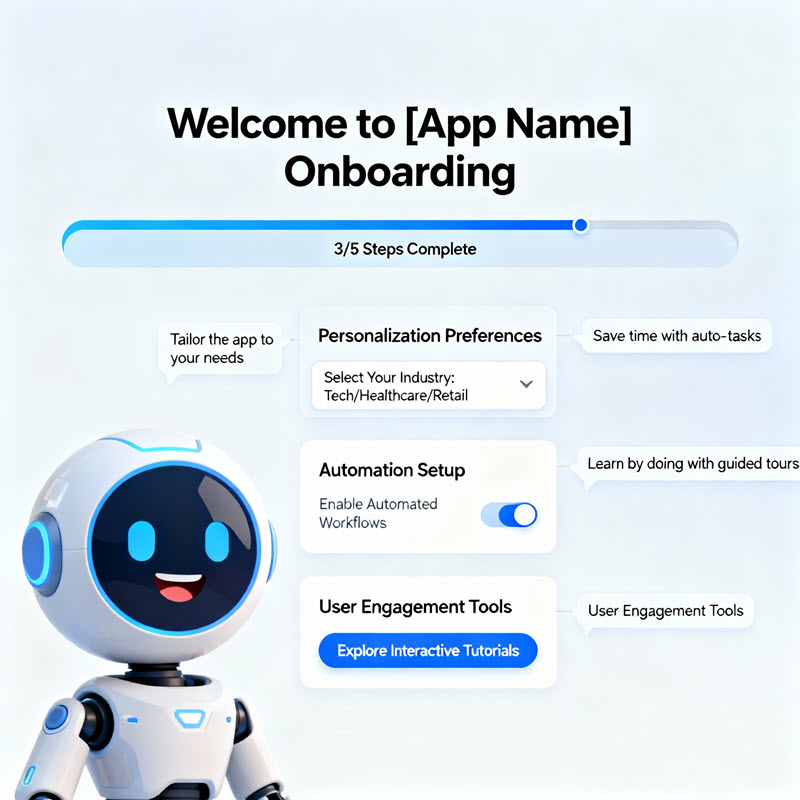
How AI Agents Enhance Onboarding in SaaS Platforms
Onboarding defines a customer’s first impression. A well-designed onboarding experience leads to faster adoption and long-term loyalty. AI agents for SaaS bring personalization and automation to this critical process.
1. Personalized Guidance
AI agents act as virtual onboarding specialists, customizing experiences based on each user’s goals, role, and industry. For example, a marketing professional might receive help setting up campaigns, while a sales leader gets assistance integrating lead tracking.
2. Proactive User Engagement
AI agents can identify when users stop progressing and offer help. If someone pauses midway through setup, the AI can ask, “Would you like me to walk you through the next step?” This proactive approach reduces drop-offs and improves activation rates.
3. Continuous Learning and Optimization
Unlike static tutorials, SaaS AI agents learn from user behavior. They analyze patterns, identify recurring issues, and update onboarding flows automatically. Every interaction makes the next experience better.
4. Cross-Platform Integration
AI agents can integrate with CRMs, analytics tools, and email platforms to provide cohesive onboarding experiences. When a user signs up, the agent can sync their data, trigger welcome messages, and offer in-app guidance in real time.
Business Benefits of AI Agents for SaaS Companies
Implementing AI agents is not only a technology decision but also a strategic investment that impacts the entire customer lifecycle.
1. Lower Support Costs
Automating repetitive tasks and FAQs can cut operational costs by up to 60 percent. This lets teams focus on strategic areas like retention, upselling, and customer expansion.
2. Faster Time to Value
AI-guided onboarding helps users achieve their first success faster. When customers see value early, they are more likely to stay engaged and renew subscriptions.
3. Higher Retention and Satisfaction
Personalized and proactive experiences create trust. Users who receive timely support and guidance are far more likely to continue using a SaaS product.
4. Actionable Insights
Every AI interaction generates data that reveals user patterns, common pain points, and product improvement opportunities. This insight helps SaaS businesses enhance both product design and customer experience.
Real-World Use Cases of AI Agents in SaaS
Several successful SaaS companies have already integrated AI agents into their workflows to drive measurable results.
- HubSpot uses AI assistants to guide new users through setting up marketing campaigns and automation workflows, boosting user activation rates.
- Notion AI assists users in organizing content, writing, and automating tasks, simplifying the onboarding process for individuals and teams.
- Atlassian applies AI in Jira and Confluence to help users troubleshoot integration issues, manage projects, and optimize productivity.
These examples show how AI agents for SaaS can deliver better customer experiences while reducing dependency on human intervention.
Key Considerations for Implementing SaaS AI Agents
While the potential of AI agents is enormous, success requires thoughtful implementation.
- Set clear objectives: Define where automation creates the most impact, such as onboarding, support, or both.
- Train with your data: Provide the AI agent access to your knowledge base, FAQs, and historical tickets to make responses accurate and relevant.
- Maintain human collaboration: Combine automation with human oversight to ensure complex cases receive the right attention.
- Ensure data compliance: Adhere to data protection laws like GDPR and SOC 2 to maintain user trust and security.
The Future of AI in SaaS Platforms
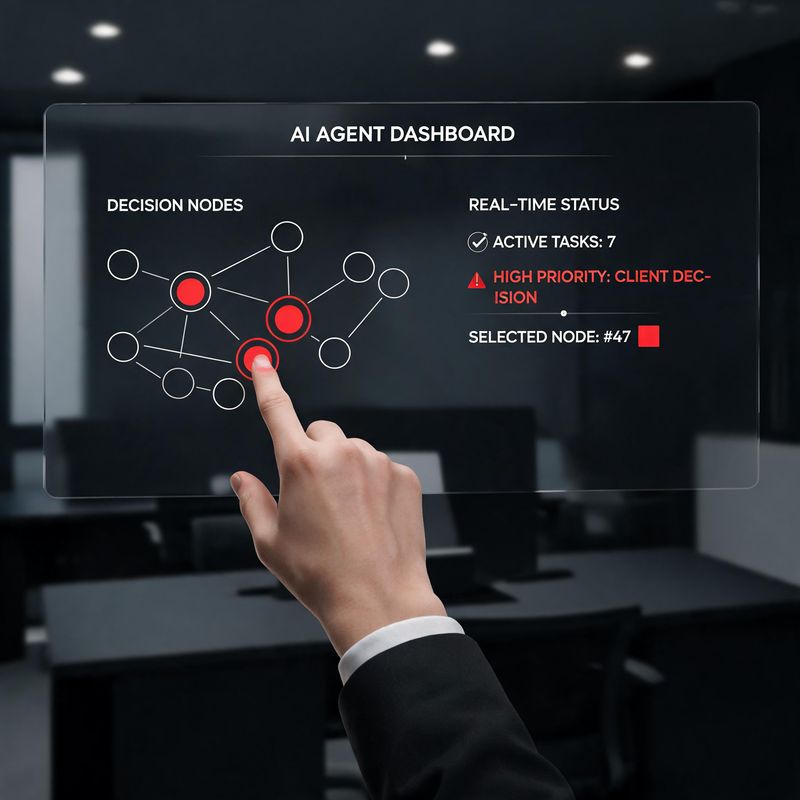
AI agents are evolving into intelligent collaborators capable of managing end-to-end user interactions. In the near future, they will not just assist users but also predict their needs, optimize configurations, and recommend new features based on behavior.
This evolution marks the shift from static software to intelligent SaaS ecosystems that continuously adapt to users. For SaaS leaders, the real question is not whether to adopt AI agents, but how quickly they can integrate them to remain competitive.
Conclusion: Empowering SaaS Growth with AI Agents
The SaaS industry is entering a new era where instant support, adaptive onboarding, and personalized engagement define success. Traditional methods alone cannot meet these expectations.
By adopting AI agents for SaaS, companies can deliver scalable, intelligent, and personalized experiences that keep customers engaged and loyal. The future of SaaS belongs to platforms that think and act intelligently, and SaaS AI agents are the foundation of that transformation.
If you want your SaaS product to stand out, now is the time to explore how AI agents can revolutionize your user support and onboarding strategy. The next generation of SaaS growth will be powered by automation, intelligence, and human-like understanding all made possible through AI agents.
Anand Subramanian
Technology expert and AI enthusiast
Anand Subramanian is a technology expert and AI enthusiast currently leading the marketing function at Intellectyx, a Data, Digital, and AI solutions provider with over a decade of experience working with enterprises and government departments.
 Explore more on these topics

























 Guest Blogging: The Definitive Guide

 Top Trending Topics
 Share This
 Link copied!
 Recently Updated News