



What is Adaptive CMS?
Last updated: December 11, 2025 Read in fullscreen view


 Recommended for you
- 05 Oct 2025
 The New Facebook Algorithm: A Paradigm Shift in Content Discovery 225/286
 - 21 Dec 2023 Top 12 Low-Code Platforms To Use in 2024 175/1467
- 20 Mar 2022 What is a Multi-Model Database? Pros and Cons? 154/1372
- 17 Jul 2023 What Is SSL? A Simple Explanation Even a 10-Year-Old Can Understand 147/238
- 14 Aug 2024 From Steel to Software: The Reluctant Evolution of Japan's Tech Corporates 142/685
- 03 Oct 2025 Top CMS Trends 2026: The Future of Digital Content Management 140/167
- 25 Mar 2026 Token Bills: The "Cost Shock" After the AI Boom in Companies 137/156
- 18 Jul 2024 The 8 Best ways to Innovate your SAAS Business Model in 2024 121/376
- 20 Dec 2025 The Future of IT Consulting: Key Trends for 2026–2030 116/155
- 05 Jul 2020 What is Sustaining Software Engineering? 110/1454
- 13 Nov 2021 What Is Bleeding Edge Technology? Are bleeding edge technologies cheaper? 108/674
- 13 Oct 2021 What is Bug Convergence? Why is it important for User Acceptance Testing (UAT)? 106/870
- 03 Dec 2025 Templafy Features Explained: The Ultimate Guide to Streamlined Content Management 106/138
- 20 Feb 2025 How Machine Learning is Shaping the Future of Digital Advertising 105/226
- 28 Oct 2023 The GOLDEN Rules of Software Engineering 105/678
- 04 Mar 2026 CRM Trends Shaping Customer Engagement in 2026 103/126
- 26 Mar 2026 What Is a System Integrator (SI)? Why the Software Subscription Model Is Becoming the New Standard 103/136
- 08 Dec 2021 What Are The 4 Types of Maintenance Strategies? 102/1284
- 03 Jul 2022 What is the difference between Project Proposal and Software Requirements Specification (SRS) in software engineering? 102/1142
- 21 Apr 2026 Vibe Coding vs. Expert Shopify Development: What AI Tools Can (and Can't) Do? 101/121
- 31 Dec 2025 10 Skills to Make You "Irreplaceable" in the Next 3 Years (even if AI changes everything) 99/127
- 27 Jul 2024 Positive Psychology in the Digital Age: Future Directions and Technologies 97/522
- 28 Oct 2025 The Future of Real Estate: Key Trends and Essential Lessons in Digital Transformation 96/166
- 13 May 2022 IT Training and Development: The most effective options for upskilling IT staff 96/1332
- 03 Jan 2024 Why Partnership is important for Growth? 95/253
- 16 Aug 2022 What is a Headless CMS? 92/376
- 02 Jan 2024 What is User Provisioning & Deprovisioning? 91/675
- 28 Nov 2025 Best Kentico CMS Development Practices for Agile Software Teams 89/142
- 02 Dec 2024 The Intersection of AI and Business Analytics: Key Concepts to Master in Your Business Analytics Course 88/383
- 22 Sep 2022 Why is it important to have a “single point of contact (SPoC)” on an IT project? 88/1071
- 18 Jan 2024 Self-healing code is the future of software development 87/303
- 11 Oct 2021 10 Myths About Low-End Project Management Software 87/422
- 02 Dec 2022 3 Levels of Quality in KANO Analysis Model 87/1258
- 20 Dec 2021 What is Hybrid Mobile App Development? 87/484
- 07 Nov 2022 Why Design Thinking can save the outsourcing industry 86/275
- 25 Sep 2024 Enhancing Decision-Making Skills with an MBA: Data-Driven Approaches for Business Growth 86/290
- 20 Aug 2025 What Is Agentic AI? The Next Phase of Artificial Intelligence 85/241
- 29 Nov 2021 Memorandum of Understanding (MOU) for Partnership Agreements 84/648
- 30 Jan 2022 What Does a Sustaining Engineer Do? 83/717
- 05 May 2021 TIGO Magic Scale - PoC tool for you to apply dichotomous thinking before submitting RFP 81/412
- 31 Dec 2021 What is a Data Pipeline? 81/285
- 25 Jan 2025 The Decline of Traditional SaaS and the Rise of AI-first Applications 79/183
- 10 Apr 2022 What is predictive analytics? Why it matters? 78/259
- 25 Apr 2021 What is outstaffing? 77/346
- 16 Sep 2022 Examples Of Augmented Intelligence In Today’s Workplaces Shaping the Business as Usual 75/511
- 11 Oct 2022 Why choose Billable Viable Product (BVP) over Minimum Viable Product (MVP) 74/416
- 18 Aug 2024 The Future of Web Development: Emerging Trends and Technologies Every Developer Should Know 73/267
- 23 Jun 2025 AI Avatars in the Metaverse: How Digital Beings Are Redefining Identity and Social Interaction 73/256
- 05 Aug 2024 Revisiting the Mistake That Halted Japan's Software Surge 72/418
- 30 Jul 2024 The Future of IT Consulting: Trends and Opportunities 70/277
- 22 May 2025 Role of Self-Service in CRM: Customer & Partner Portals for Automation 70/153
- 12 May 2025 Tech for Non-Techies: How to Understand IT Without Writing a Single Line of Code 70/119
- 31 Dec 2022 The New Normal for Software Development 70/423
- 14 Oct 2021 Stream Story - Low land stream or fast moving stream? 70/695
- 01 Mar 2023 What is Unit Testing? Pros and cons of Unit Testing? 67/492
- 10 Sep 2024 Leading Remote Teams in Hybrid Work Environments 67/208
- 22 Nov 2024 The Role of AI in Enhancing Business Efficiency and Decision-Making 67/259
- 27 Feb 2025 How AI Agents are Changing Software Development? 65/286
- 03 Nov 2023 Why Is Billable Viable Product An Alternative To Minimum Viable Product? 65/255
- 19 Dec 2023 How AI is Transforming Software Development? 63/356
- 31 Dec 2023 Software Development Outsourcing Trends to Watch Out for in 2024 61/290
- 09 Oct 2024 Short-Form Video Advertising: The Secret to Captivating Your Audience 60/190
- 06 Dec 2024 Steps For Integrating Sustainable Practices Into Business Operations 58/205
- 04 Apr 2025 To Act or Not to Act – A Manager’s Persistent Dilemma 58/173
- 01 Oct 2020 Handling tight project deadlines as a business analyst 58/386
- 17 Mar 2025 Integrating Salesforce with Yardi: A Guide to Achieving Success in Real Estate Business 53/258
- 10 Sep 2024 AI in Email Marketing: Personalization and Automation 47/222
- 03 Nov 2022 Questions and answers about Kano Model 45/938
- 31 Dec 2022 Future of Software Development Trends and Predictions 42/193
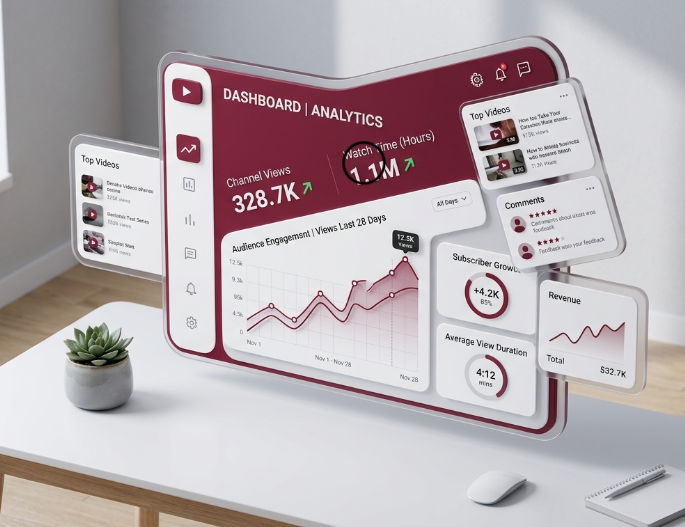
Adaptive CMS is a new CMS structure that different from traditional CMS and headless CMS. The biggest different about Adaptive CMS is that it decouples both view and data layer. It builds data interfaces to connect to single or multiple data sources.
CMS trends
Recently the main trend of CMS swift from traditional to Headless CMS because it decouples it’s view to APIs, which enables developers to connect CMS data to web, mobile apps and even IoT, moreover, it provide composite API and CMS structure that developers can design it’s CMS and API specification in the same time.
What’s different in Adaptive CMS?
Adaptive CMS move a step further, it’s a CMS framework that provides different adapters to connect to different backend services such as Firebase, Parse and GraphCool. This allow developers to choose where they want to put their data without binding it’s data source to a single data source.
Advantages of Adaptive CMS:
- Own your data: CMS doesn’t own your data, you can host it on your backend services.
- Easy to learn: Support main backend services, you don’t need to learn another API.
- Hybrid CMS solution: You could host on both public and private clouds in a single CMS.
Why now? The raise of backend services
As backend services user base grow rapidly, and these backend services do terrific jobs on dealing with web and mobile apps backend features such as push notifications, authentication, storage, crash report, cloud functions, etc … . With Adaptive CMS, we could leverage it’s platform and build CMS fast and scalable.
There are millions of developers using those backend services already. If you build a CMS that adapts to those platforms, developers don’t need to learn new APIs, they can pick up easily.
 Explore more on these topics





















 Guest Blogging: The Definitive Guide

 Top Trending Topics
 Share This
 Link copied!
 Recently Updated News