



Pain points of User Acceptance Testing (UAT)
Published on: December 10, 2023
Last updated: December 11, 2023 Read in fullscreen view
Last updated: December 11, 2023 Read in fullscreen view

 Recommended for you
- 15 Feb 2024
 What is a Cut-Over in Software Development? 194/1521
 - 18 Oct 2020 How to use the "Knowns" and "Unknowns" technique to manage assumptions 165/1259
- 02 Nov 2023 Differences between software walkthrough, review, and inspection 161/2303
- 30 Oct 2022 How Much Does MVP Development Cost in 2023? 154/413
- 09 Jan 2022 How to Bridge the Gap Between Business and IT? 148/351
- 01 Sep 2022 Facts Chart: Why Do Software Projects Fail? 128/721
- 23 Sep 2021 INFOGRAPHIC: Top 9 Software Outsourcing Mistakes 123/546
- 11 Jan 2024 What are the Benefits and Limitations of Augmented Intelligence? 119/605
- 18 Aug 2022 What are the consequences of poor requirements with software development projects? 118/386
- 13 Dec 2020 Move fast, fail fast, fail-safe 118/457
- 06 Feb 2021 Why fail fast and learn fast? 114/590
- 01 Oct 2020 Fail fast, learn faster with Agile methodology 113/1187
- 10 Apr 2021 RFP vs POC: Why the proof of concept is replacing the request for proposal 111/438
- 02 May 2022 What Is RAID in Project Management? (With Pros and Cons) 105/948
- 14 Mar 2024 Why should you opt for software localization from a professional agency? 102/241
- 07 Jul 2021 The 5 Levels of IT Help Desk Support 102/578
- 08 Nov 2022 4 tips for meeting tough deadlines when outsourcing projects to software vendor 97/387
- 03 Dec 2025 IT Outsourcing Solutions Explained: What, How, Why, When 97/129
- 16 Feb 2021 Choose Outsourcing for Your Non Disclosure Agreement (NDA) 95/265
- 14 Oct 2021 Advantages and Disadvantages of Time and Material Contract (T&M) 95/988
- 21 Oct 2025 Cloud-Native Development: Why It’s the Future of Enterprise IT 92/181
- 07 Aug 2022 Things to Consider When Choosing a Technology Partner 88/371
- 08 Oct 2022 KPI - The New Leadership 87/694
- 28 Dec 2021 8 types of pricing models in software development outsourcing 87/521
- 09 Feb 2023 The Challenge of Fixed-Bid Software Projects 83/332
- 10 Nov 2022 Poor Code Indicators and How to Improve Your Code? 81/298
- 19 Oct 2021 Is gold plating good or bad in project management? 79/910
- 01 Feb 2024 How long does it take to develop software? 77/287
- 17 Feb 2022 Prioritizing Software Requirements with Kano Analysis 75/379
- 03 Nov 2022 Top questions and answers you must know before ask for software outsourcing 73/358
- 19 Apr 2021 7 Most Common Time-Wasters For Software Development 72/617
- 12 Mar 2024 How do you create FOMO in software prospects? 70/243
- 16 Apr 2021 Insightful Business Technology Consulting at TIGO 69/523
- 01 Mar 2023 Bug Prioritization - What are the 5 levels of priority? 69/298
- 10 Jul 2025 Building AI-Driven Knowledge Graphs from Unstructured Data 68/230
- 31 Oct 2021 Tips to Fail Fast With Outsourcing 66/457
- 20 Nov 2022 Software Requirements Are A Communication Problem 63/305
- 06 Mar 2021 4 things you need to do before getting an accurate quote for your software development 61/758
- 05 Jan 2024 Easy ASANA tips & tricks for you and your team 60/258
- 01 May 2023 CTO Interview Questions 60/395
- 07 Oct 2022 Digital Transformation: Become a Technology Powerhouse 59/306
- 26 Dec 2023 Improving Meeting Effectiveness Through the Six Thinking Hats 53/329
- 09 Mar 2022 Consultant Implementation Pricing 49/261
- 01 Mar 2023 How do you deal with disputes and conflicts that may arise during a software consulting project? 47/207
- 06 Nov 2019 How to Access Software Project Size? 42/299
- 17 Mar 2025 IT Consultants in Digital Transformation 41/131
User acceptance testing (UAT) is a crucial phase in software development, and it's important to be aware of common pitfalls to ensure its effectiveness. Here are some common pitfalls of UAT and strategies to avoid them:
- Incomplete or unclear requirements: If the requirements are ambiguous or incomplete, it can lead to ineffective testing and misunderstandings. To avoid this, ensure that requirements are well-defined, clearly documented, and communicated to all stakeholders. Regular collaboration between the development team and end-users is essential to clarify requirements and expectations.
- Insufficient user involvement: Lack of involvement from end-users during UAT can lead to testing scenarios that do not reflect real-world usage. To mitigate this, involve end-users early in the development process, seek their input, and actively engage them during UAT. Their insights and feedback will help validate the system against actual user needs.
- Limited test coverage: Testing only a small subset of the system or focusing solely on positive scenarios can lead to overlooked defects and limited coverage. Ensure that test cases cover a broad range of user workflows, edge cases, error conditions, and system integrations. Develop a comprehensive test plan to guide testing activities and prioritize areas that carry higher risks.
- Insufficient time and resources: Tight timelines and inadequate resources can hamper UAT effectiveness. Plan for sufficient time and resources to conduct thorough testing, allowing users to provide meaningful feedback and identify potential issues. Adequate staffing, test environment setup, and realistic schedules are essential to avoid rushed or incomplete testing.
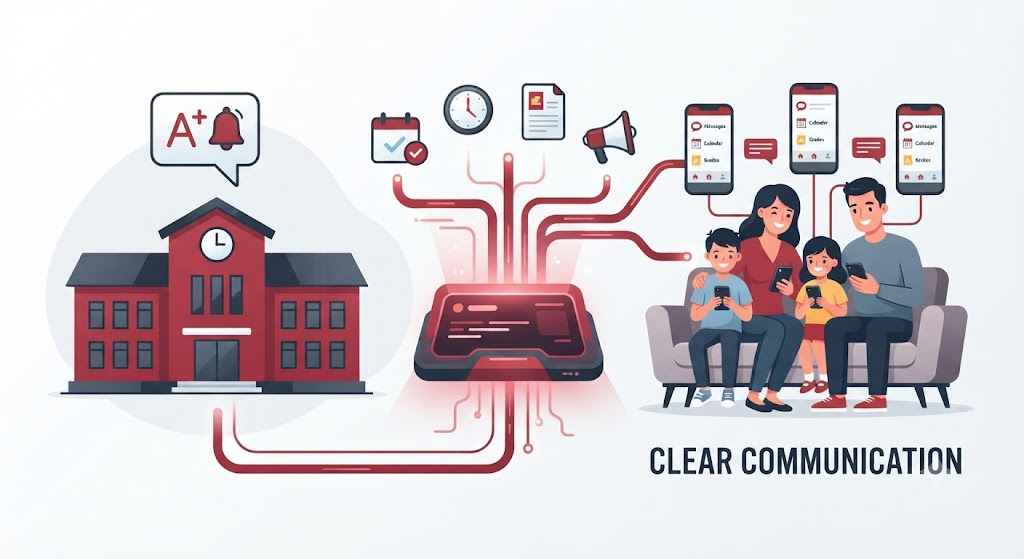
- Ineffective communication and collaboration: Poor communication among stakeholders can result in misalignment and misunderstandings during UAT. Establish clear channels of communication, foster open dialogue between developers, testers, and end-users, and provide a centralized platform to report issues and track their resolution. Regular meetings and status updates help ensure everyone is on the same page.
- Ignoring user feedback: Dismissing or ignoring user feedback can lead to missed opportunities for improvement and a lack of user satisfaction. Actively listen to user feedback, consider their suggestions, and address reported issues promptly. Engage in open discussions and encourage users to provide feedback throughout the UAT process.
By being proactive in addressing these pitfalls, you can enhance the effectiveness of user acceptance testing and ensure that the developed software meets user expectations, leading to higher quality and user satisfaction.
[{"displaySettingInfo":"[{\"isFullLayout\":false,\"layoutWidthRatio\":\"\",\"showBlogMetadata\":true,\"includeSuggestedAndRelatedBlogs\":true,\"enableLazyLoad\":true,\"quoteStyle\":\"1\",\"bigHeadingFontStyle\":\"1\",\"postPictureFrameStyle\":\"1\",\"isFaqLayout\":false,\"isIncludedCaption\":false,\"faqLayoutTheme\":\"1\",\"isSliderLayout\":false}]"},{"articleSourceInfo":"[{\"sourceName\":\"\",\"sourceValue\":\"\"}]"},{"privacyInfo":"[{\"isOutsideVietnam\":false}]"},{"tocInfo":"[{\"isEnabledTOC\":true,\"isAutoNumbering\":false,\"isShowKeyHeadingWithIcon\":false}]"}]
Via
{content}
 Explore more on these topics
























 Guest Blogging: The Definitive Guide

 Top Trending Topics
 Share This
 Link copied!
 Recently Updated News