



Importance of Domain Knowhow for Business Analysts
Last updated: January 26, 2024 Read in fullscreen view


 Recommended for you
- 05 Oct 2025
 The New Facebook Algorithm: A Paradigm Shift in Content Discovery 295/357
 - 21 Dec 2023 Top 12 Low-Code Platforms To Use in 2024 222/1523
- 31 Dec 2025 10 Skills to Make You "Irreplaceable" in the Next 3 Years (even if AI changes everything) 172/206
- 18 Oct 2020 How to use the "Knowns" and "Unknowns" technique to manage assumptions 169/1264
- 25 Mar 2026 Token Bills: The "Cost Shock" After the AI Boom in Companies 168/193
- 20 Dec 2025 The Future of IT Consulting: Key Trends for 2026–2030 167/210
- 03 Oct 2025 Top CMS Trends 2026: The Future of Digital Content Management 166/199
- 26 Mar 2026 What Is a System Integrator (SI)? Why the Software Subscription Model Is Becoming the New Standard 154/188
- 18 Jul 2024 The 8 Best ways to Innovate your SAAS Business Model in 2024 138/395
- 23 Sep 2021 INFOGRAPHIC: Top 9 Software Outsourcing Mistakes 131/554
- 06 Nov 2023 How do you streamline requirement analysis and modeling? 129/366
- 18 Aug 2022 What are the consequences of poor requirements with software development projects? 127/395
- 20 Jan 2021 Fail early, fail often, fail cheap, fail safe but always fail forward 127/946
- 01 Oct 2020 Fail fast, learn faster with Agile methodology 122/1196
- 13 Dec 2020 Move fast, fail fast, fail-safe 120/461
- 11 Jan 2024 What are the Benefits and Limitations of Augmented Intelligence? 120/606
- 04 Mar 2026 CRM Trends Shaping Customer Engagement in 2026 117/148
- 06 Feb 2021 Why fail fast and learn fast? 117/595
- 20 Feb 2025 How Machine Learning is Shaping the Future of Digital Advertising 116/238
- 16 Aug 2022 What is a Headless CMS? 114/400
- 27 Jul 2024 Positive Psychology in the Digital Age: Future Directions and Technologies 112/541
- 11 Nov 2021 What is an IT Self-service Portal? Why is it Important to Your Business? 110/561
- 02 Nov 2021 [Case Study] Streamlined Data Reporting using Tableau 110/413
- 02 Dec 2024 The Intersection of AI and Business Analytics: Key Concepts to Master in Your Business Analytics Course 108/404
- 03 Jan 2024 Why Partnership is important for Growth? 103/261
- 14 Mar 2024 Why should you opt for software localization from a professional agency? 102/241
- 14 Oct 2021 Advantages and Disadvantages of Time and Material Contract (T&M) 100/998
- 16 Sep 2022 Examples Of Augmented Intelligence In Today’s Workplaces Shaping the Business as Usual 99/536
- 11 Oct 2022 Why choose Billable Viable Product (BVP) over Minimum Viable Product (MVP) 98/440
- 28 Dec 2021 8 types of pricing models in software development outsourcing 96/530
- 18 Jan 2024 Self-healing code is the future of software development 96/313
- 25 Sep 2024 Enhancing Decision-Making Skills with an MBA: Data-Driven Approaches for Business Growth 95/302
- 23 Jun 2025 AI Avatars in the Metaverse: How Digital Beings Are Redefining Identity and Social Interaction 95/282
- 20 Aug 2025 What Is Agentic AI? The Next Phase of Artificial Intelligence 95/255
- 25 Jan 2025 The Decline of Traditional SaaS and the Rise of AI-first Applications 93/198
- 01 Jan 2024 The pros and cons of the Centralized Enterprise Automation Operating model 93/317
- 17 Feb 2022 Prioritizing Software Requirements with Kano Analysis 90/394
- 30 Jul 2024 The Future of IT Consulting: Trends and Opportunities 89/301
- 08 Oct 2022 KPI - The New Leadership 88/697
- 19 Oct 2021 Is gold plating good or bad in project management? 88/919
- 31 Dec 2023 Software Development Outsourcing Trends to Watch Out for in 2024 88/318
- 10 Nov 2022 Poor Code Indicators and How to Improve Your Code? 85/302
- 10 Dec 2023 Pain points of User Acceptance Testing (UAT) 83/544
- 03 Apr 2021 How digital asset management streamlines your content workflow? 83/414
- 22 Nov 2024 The Role of AI in Enhancing Business Efficiency and Decision-Making 82/277
- 03 Nov 2023 Why Is Billable Viable Product An Alternative To Minimum Viable Product? 81/272
- 02 Dec 2022 Success Story: Satsuki - Sales Management Software, back office app for School Subscription Management 80/320
- 18 Aug 2024 The Future of Web Development: Emerging Trends and Technologies Every Developer Should Know 79/274
- 12 Mar 2024 How do you create FOMO in software prospects? 79/253
- 20 Jan 2022 TIGO Self-Organization Practice: Change Management Workflow 79/551
- 01 May 2023 Understanding Business as Usual (BAU) and How to Transition 78/1203
- 10 Sep 2024 Leading Remote Teams in Hybrid Work Environments 76/220
- 31 Dec 2022 The New Normal for Software Development 76/429
- 03 Sep 2022 The secret of software success: Simplicity is the ultimate sophistication 75/280
- 01 Mar 2023 Bug Prioritization - What are the 5 levels of priority? 75/304
- 19 Dec 2023 How AI is Transforming Software Development? 74/367
- 27 Feb 2025 How AI Agents are Changing Software Development? 74/313
- 13 Feb 2021 Why is TIGOSOFT a software house for Enterprise Application Development? 73/453
- 19 Apr 2021 7 Most Common Time-Wasters For Software Development 72/617
- 03 May 2024 The Iceberg of Ignorance 71/500
- 31 Oct 2021 Tips to Fail Fast With Outsourcing 70/461
- 09 Oct 2024 Short-Form Video Advertising: The Secret to Captivating Your Audience 69/201
- 05 Jan 2024 Easy ASANA tips & tricks for you and your team 64/263
- 16 Jun 2022 Rapid Application Development (RAD): Pros and Cons 64/946
- 21 Jun 2021 6 Useful Tips To Streamline Business Processes and Workflows 63/594
- 05 Oct 2021 Shiny Object Syndrome: Why Your Business Isn't "Going Digital" 63/444
- 10 Sep 2024 AI in Email Marketing: Personalization and Automation 59/236
- 26 Dec 2023 Improving Meeting Effectiveness Through the Six Thinking Hats 54/330
- 06 Nov 2019 How to Access Software Project Size? 49/307
- 31 Dec 2022 Future of Software Development Trends and Predictions 48/199
In today's dynamic and rapidly evolving business landscape, the role of a business analyst has become increasingly vital. They serve as the bridge between business objectives and technological solutions, playing a crucial role in driving organizational success. However, it is not just their analytical and technical skills that set them apart; having a deep understanding of the specific industry or domain in which they operate is equally essential.
The term "domain knowhow" refers to the knowledge and expertise a business analyst possesses about a particular industry, sector, or business area. It encompasses an in-depth understanding of the industry's unique challenges, trends, regulations, processes, and key stakeholders. While analytical tools and methodologies are important, the ability to leverage domain knowhow sets exceptional business analysts apart from their peers.
So, why is domain knowhow so crucial for business analysts? Let's delve deeper into its benefits and explore how it transforms them into invaluable assets for any organization seeking growth and competitiveness in today's complex business environment.
1. Understanding business processes: Domain knowledge allows a business analyst to comprehend the intricacies of the business domain they are working in. This understanding helps them analyze and document current processes, identify gaps, and propose effective software solutions.
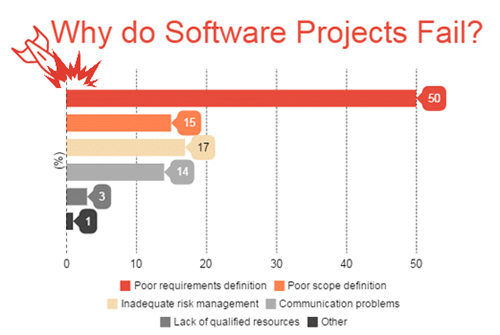
2. Effective requirements gathering: By possessing domain knowledge, a business analyst can engage in meaningful discussions with subject matter experts (SMEs) and users. This facilitates gathering accurate and detailed requirements, as the analyst can ask relevant questions and comprehend the underlying business needs.
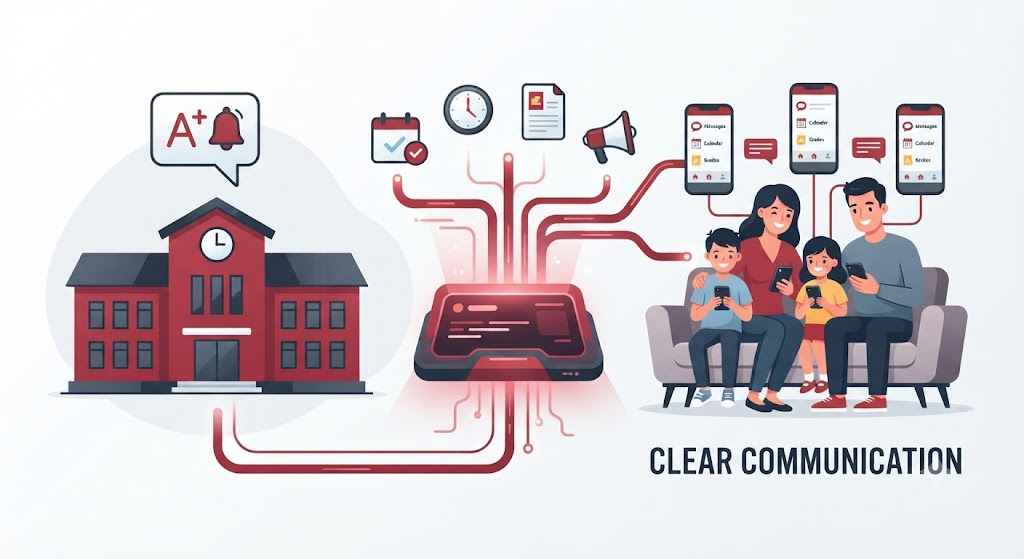
3. Translating business needs into technical requirements: Domain knowledge enables a business analyst to bridge the gap between business stakeholders and technical teams. They can effectively communicate business requirements to developers, ensuring that the final software solution aligns with the desired business outcomes.
4. Providing valuable insights: A business analyst with domain knowledge can offer valuable insights and suggestions based on their understanding of the industry. They can identify potential challenges, propose innovative solutions, and contribute to optimizing business processes through technology.
5. Building trust and credibility: Having domain knowledge helps a business analyst gain the trust and confidence of stakeholders. When they speak the language of the industry and demonstrate an understanding of its challenges, stakeholders are more likely to trust their expertise and rely on their recommendations.
Overall, domain knowledge empowers a business analyst to be a trusted advisor, collaborate effectively with stakeholders, and contribute to the successful delivery of software projects in their specific industry.
 Explore more on these topics



























 Guest Blogging: The Definitive Guide

 Top Trending Topics
 Share This
 Link copied!
 Recently Updated News