

Rule-Based vs. Data-Driven Decision Making: The Critical Shift in Fintech and AI
Last updated: November 26, 2025 Read in fullscreen view


 Recommended for you
- 06 Mar 2026
 Next-Generation AI Agents Explained: OpenClaw, NanoClaw, IronClaw and the Rise of Agent Architectures 361/401
 - 29 Oct 2024 Top AI Tools and Frameworks You’ll Master in an Artificial Intelligence Course 189/594
- 17 Oct 2022 What is the difference between low-end, mid-end and high-end solutions of project management software? 186/1661
- 01 Dec 2025 Manufacturing 4.0: AI Agents Enabling Self-Optimizing Production Systems 179/240
- 02 Dec 2025 The Question That Shook Asia: What Happens When We Ask AI to Choose Between a Mother and a Wife? 176/216
- 05 Jun 2025 How AI-Driven Computer Vision Is Changing the Face of Retail Analytics 171/295
- 20 Jan 2022 Difference between Bug, Defect, Error, Fault & Failure 167/1531
- 23 Dec 2024 Garbage In, Megabytes Out (GIMO): How to Rise Above AI Slop and Create Real Signal 166/220
- 09 Jul 2024 What Is Artificial Intelligence and How Is It Used Today? 165/423
- 16 Oct 2025 AI Inference Explained Simply: What Developers Really Need to Know 163/197
- 12 Jan 2026 Why YouTube Content Is the New Resume: Building Trust and Expertise Even Without Views 161/190
- 03 Aug 2022 What Are OLAs? SLAs vs OLAs vs UCs: What’s The Difference? 160/1253
- 18 Mar 2022 Difference between Project Management and Management Consulting 159/520
- 24 Mar 2026 AI for Financial Reconciliation: Automating Finance Operations in 2026 158/189
- 12 Apr 2025 How to Ask Powerful Questions Like Socrates 156/191
- 06 Dec 2025 Enterprise Operations 2.0: Why AI Agents Are Replacing Traditional Automation 153/197
- 06 Nov 2025 DataOps: The Next Frontier in Agile Data Management 141/200
- 06 Nov 2025 DataOps: The Next Frontier in Agile Data Management 141/200
- 07 Dec 2021 What's the difference between soft freeze, hard freeze and customization freeze? 138/1409
- 02 Jan 2024 What is User Provisioning & Deprovisioning? 136/730
- 25 Nov 2025 How AI Agents Are Redefining Enterprise Automation and Decision-Making 134/192
- 21 Jun 2022 Difference between Quality and Grade 133/964
- 15 Aug 2024 Digital Governance vs IT Governance: What’s the Difference and Why It Matters 131/209
- 25 Dec 2025 What Is Algorithmic Fairness? Who Determines the Value of Content: Humans or Algorithms? 129/174
- 10 Apr 2022 Difference Between Forward and Backward Reasoning in AI 129/1867
- 15 Aug 2023 Production-Ready vs Feature-Complete: What’s the Difference? 121/377
- 15 Apr 2024 Weights & Biases: The AI Developer Platform 120/311
- 15 Sep 2022 CRM vs CDP: What's the difference? 116/421
- 06 Jun 2024 Software Upgrade vs Software Update: What is the difference? 116/372
- 17 Oct 2025 MLOps vs AIOps: What’s the Difference and Why It Matters 114/226
- 05 May 2022 DAM vs. CMS: What's the difference? 114/611
- 01 Jul 2025 The Hidden Costs of Not Adopting AI Agents: Risk of Falling Behind 113/262
- 16 Aug 2022 What is a Headless CMS? 113/399
- 02 May 2022 Difference between CapEx vs. OpEx: Two Ways to Finance Your Software Project 112/1744
- 09 Dec 2021 Customer Service vs Technical Support: What’s The Difference? 108/429
- 10 Nov 2025 Multi-Modal AI Agents: Merging Voice, Text, and Vision for Better CX 104/218
- 12 Jan 2026 Companies Developing Custom AI Models for Brand Creative: Market Landscape and Use Cases 103/135
- 27 Aug 2025 How AI Consulting Is Driving Smarter Diagnostics and Hospital Operations 103/203
- 21 Nov 2025 The Rise of AgentOps: How Enterprises Are Managing and Scaling AI Agents 102/159
- 18 Oct 2024 IT Governance, IT Management and IT Outsourcing: What’s the Difference? 102/159
- 02 Nov 2021 Difference between an ESTIMATE and a QUOTE 101/456
- 16 Sep 2022 Examples Of Augmented Intelligence In Today’s Workplaces Shaping the Business as Usual 99/536
- 15 May 2025 AI Consulting for Small Businesses: How to Leverage AI for Growth & Efficiency 98/291
- 24 Dec 2024 Artificial Intelligence and Cybersecurity: Building Trust in EFL Tutoring 98/268
- 21 Aug 2024 What is Singularity and Its Impact on Businesses? 98/560
- 10 Nov 2021 PoC vs. Prototype vs. MVP: What’s the difference? 97/934
- 07 Nov 2025 Online vs. Offline Machine Learning Courses in South Africa: Which One Should You Pick? 97/169
- 09 Sep 2025 Aligning BI Dashboards with KPIs: A Business + Data Collaboration Guide 97/185
- 25 Jan 2022 What is the difference between Outsourcing and Outstaffing? 96/462
- 06 May 2025 How Machine Learning Is Transforming Data Analytics Workflows 94/291
- 04 Apr 2025 To Act or Not to Act – A Manager’s Persistent Dilemma 93/209
- 24 Nov 2021 What is the difference between off-the-shelf software and customized software? 91/573
- 28 Nov 2025 How AI Will Transform Vendor Onboarding and Seller Management in 2026 88/218
- 24 Oct 2025 AI Agents in SaaS Platforms: Automating User Support and Onboarding 87/158
- 01 Apr 2022 Dedicated Team vs. Extended Team: What’s the difference? 85/411
- 22 Sep 2025 Why AI Is Critical for Accelerating Drug Discovery in Pharma 82/197
- 04 Oct 2023 The Future of Work: Harnessing AI Solutions for Business Growth 80/361
- 01 Feb 2022 Outstaffing Vs. Outsourcing: What’s The Difference? 77/665
- 21 Apr 2025 Agent AI in Multimodal Interaction: Transforming Human-Computer Engagement 71/266
- 05 Aug 2024 Affordable Tech: How Chatbots Enhance Value in Healthcare Software 64/295
- 29 Aug 2025 How AI Is Transforming Modern Management Science 60/128
- 03 Jul 2022 Occam’s Razor and the Art of Software Design 57/559
- 06 Nov 2025 Top AI Development Companies in the USA to Watch in 2026 19/260
WHAT: The Phenomenon and The Problem
The foundational shift in modern business is the move from making decisions based on rigid, human-defined rules to leveraging the power of data and algorithms.
In finance and business intelligence, this difference is manifested in two core approaches:
- Rule-Based Systems: Rely on human expertise and assumptions.
- Data-Driven Systems: Leverage Machine Learning (ML) and Artificial Intelligence (AI) to derive insights from real-world behavior.
The core problem is that static rules oversimplify complex realities, such as customer journeys or financial risk profiles, leading to sub-optimal decisions and misallocation of resources.
HOW: The Mechanisms at Play
These two models operate on fundamentally different mechanisms:
1. The Rule-Based Model
Mechanism: Operates on manually programmed "IF... THEN..." logic defined by experts or business owners. These rules are coded and applied strictly.
Key Characteristics:
- Static: Cannot automatically change or adapt to new data or evolving environments.
- Transparent: Easy to understand and explain (high interpretability).
- Example in Attribution: Models like Last-Click or First-Click, which allocate 100% of credit based on the touchpoint's position, not its actual influence.
2. The Data-Driven Model
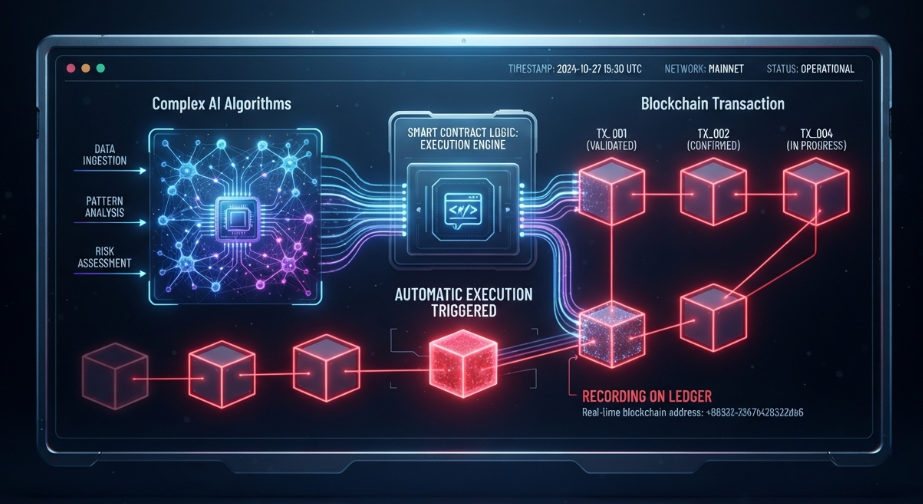
Mechanism: Uses complex statistical algorithms and ML (e.g., Bayesian models, Neural Networks) to analyze real-world patterns from vast historical datasets. The system automatically determines the actual weight or influence of each factor.
Key Characteristics:
- Dynamic: Capable of self-learning, self-adjustment, and improving accuracy over time.
- Higher Accuracy: Provides results based on statistical evidence and predictive probability rather than initial assumptions.
Fintech Case Studies: Putting the Models to the Test
| Application | Rule-Based Approach | Data-Driven Approach (ML/AI) |
| Credit Risk | Traditional Credit Scoring: Uses hard thresholds (e.g., "IF Credit Score < X AND Time-at-Job < Y, THEN REJECT"). Result: High rate of rejecting "thin-file" applicants (young/immigrants). | Alternative Data & ML: Uses thousands of data points like transaction history, utility payments, and mobile usage to create a nuanced risk profile. Result: More inclusive lending, lower default rates among previously rejected segments. |
| Fraud/AML | Hard Thresholds: Flags transactions only when they cross a specific dollar limit (e.g., "> $10,000"). Result: Easy for criminals to circumvent (smurfing) and leads to high false-positive alerts. | Behavioral Biometrics & Pattern Recognition: Analyzes deviations from a user's normal behavior (typing speed, location, usual time of transaction, beneficiary). Result: Real-time detection of sophisticated fraud (e.g., synthetic identity theft) with greater precision. |
WHY: The Significance of the Data-Driven Shift
The transition to a Data-Driven approach is crucial for optimizing performance and maintaining competitiveness, particularly in fast-paced sectors like Fintech:
1. Accurate Reflection of True Value
Rule-Based systems frequently underestimate early-stage marketing channels (Awareness) and overemphasize final channels (Conversion). Data-Driven models give marketers a holistic view, ensuring budget is allocated scientifically based on validated contribution, thereby maximizing Return on Investment (ROI).
2. Continuous Adaptability
Customer behavior and market context are constantly evolving. A Rule-Based system requires manual, costly, and time-consuming updates every time a rule breaks. Data-Driven systems self-adjust (self-correcting models) to new trends, ensuring decisions remain relevant and efficient without human intervention.
3. Handling Unprecedented Complexity
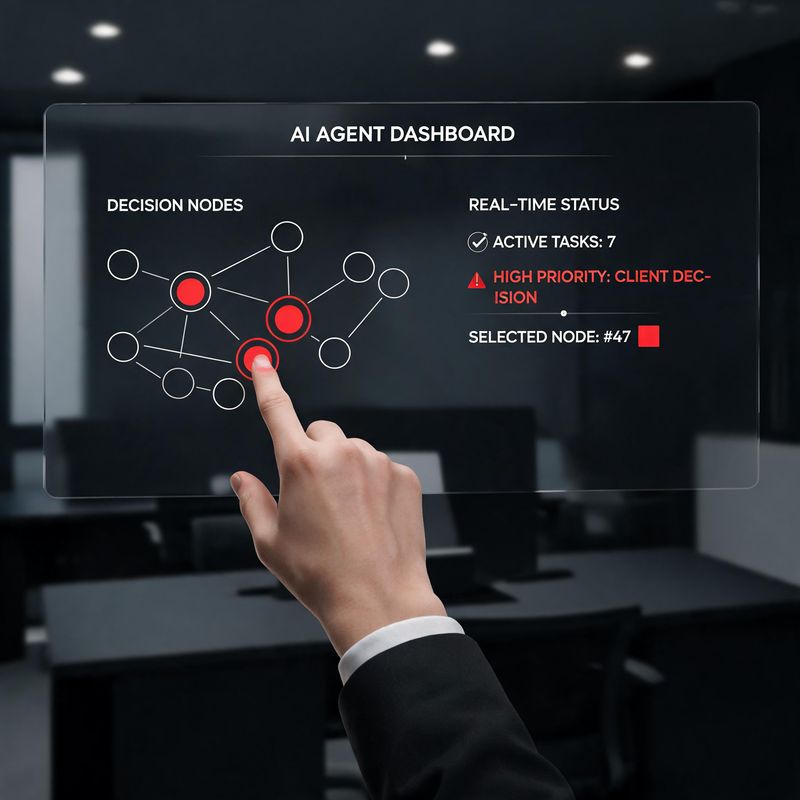
In complex systems (like real-time fraud monitoring, personalized lending, or algorithmic trading), defining all potential rules manually is virtually impossible. Machine Learning has the capacity to discover hidden patterns and correlations in massive datasets that humans cannot perceive, leading to optimal decisions even in ambiguous or unstructured environments.
Conclusion
The future of decision-making lies in a Hybrid Model—combining the transparency and control of essential human-defined rules with the flexibility, accuracy, and learning capacity of Data-Driven algorithms.
 Explore more on these topics


























 Guest Blogging: The Definitive Guide

 Top Trending Topics
 Share This
 Link copied!
 Recently Updated News