


The Future of IT Consulting: Key Trends for 2026–2030
Last updated: December 20, 2025 Read in fullscreen view


 Recommended for you
- 05 Oct 2025
 The New Facebook Algorithm: A Paradigm Shift in Content Discovery 294/356
 - 12 Jun 2025 Rule-Based vs. Data-Driven Decision Making: The Critical Shift in Fintech and AI 235/359
- 21 Dec 2023 Top 12 Low-Code Platforms To Use in 2024 221/1520
- 01 Dec 2025 Manufacturing 4.0: AI Agents Enabling Self-Optimizing Production Systems 179/240
- 31 Dec 2025 10 Skills to Make You "Irreplaceable" in the Next 3 Years (even if AI changes everything) 169/203
- 25 Mar 2026 Token Bills: The "Cost Shock" After the AI Boom in Companies 167/190
- 03 Oct 2025 Top CMS Trends 2026: The Future of Digital Content Management 166/199
- 21 Nov 2025 Top 8 Cloud Transformation Companies in USA in 2026 164/220
- 26 Mar 2026 What Is a System Integrator (SI)? Why the Software Subscription Model Is Becoming the New Standard 151/185
- 06 Nov 2025 DataOps: The Next Frontier in Agile Data Management 141/200
- 06 Nov 2025 DataOps: The Next Frontier in Agile Data Management 141/200
- 18 Jul 2024 The 8 Best ways to Innovate your SAAS Business Model in 2024 137/392
- 04 Feb 2026 Top Workflow Automation Services Driving Digital Transformation 135/170
- 04 Mar 2026 CRM Trends Shaping Customer Engagement in 2026 117/148
- 20 Feb 2025 How Machine Learning is Shaping the Future of Digital Advertising 116/238
- 21 Aug 2023 30 Must-Know IT Consulting Buzzwords Explained 115/146
- 06 Jan 2026 Risk & Change Management Through the 3P Model 113/158
- 16 Aug 2022 What is a Headless CMS? 113/399
- 16 Aug 2022 What is a Headless CMS? 113/399
- 27 Jul 2024 Positive Psychology in the Digital Age: Future Directions and Technologies 110/539
- 16 Mar 2023 10 Reasons to Choose a Best-of-Breed Tech Stack 106/320
- 02 Dec 2024 The Intersection of AI and Business Analytics: Key Concepts to Master in Your Business Analytics Course 105/400
- 03 Jan 2024 Why Partnership is important for Growth? 102/260
- 16 Sep 2022 Examples Of Augmented Intelligence In Today’s Workplaces Shaping the Business as Usual 99/536
- 16 Sep 2022 Examples Of Augmented Intelligence In Today’s Workplaces Shaping the Business as Usual 99/536
- 15 Dec 2025 What Does ERP-Friendly Mean? A Practical Guide for Modern Enterprises 99/143
- 11 Oct 2022 Why choose Billable Viable Product (BVP) over Minimum Viable Product (MVP) 98/440
- 09 Sep 2025 Aligning BI Dashboards with KPIs: A Business + Data Collaboration Guide 97/185
- 18 Jan 2024 Self-healing code is the future of software development 96/313
- 20 Aug 2025 What Is Agentic AI? The Next Phase of Artificial Intelligence 95/255
- 25 Sep 2024 Enhancing Decision-Making Skills with an MBA: Data-Driven Approaches for Business Growth 95/302
- 23 Jun 2025 AI Avatars in the Metaverse: How Digital Beings Are Redefining Identity and Social Interaction 94/281
- 25 Jan 2025 The Decline of Traditional SaaS and the Rise of AI-first Applications 93/198
- 24 Aug 2022 7 Ways to Improve Software Maintenance 88/391
- 30 Jul 2024 The Future of IT Consulting: Trends and Opportunities 88/300
- 31 Dec 2023 Software Development Outsourcing Trends to Watch Out for in 2024 86/316
- 17 Jun 2021 What is IT-business alignment? 82/454
- 22 Nov 2024 The Role of AI in Enhancing Business Efficiency and Decision-Making 81/276
- 03 Nov 2023 Why Is Billable Viable Product An Alternative To Minimum Viable Product? 79/270
- 18 Aug 2024 The Future of Web Development: Emerging Trends and Technologies Every Developer Should Know 79/274
- 10 Sep 2024 Leading Remote Teams in Hybrid Work Environments 76/220
- 31 Dec 2022 The New Normal for Software Development 76/429
- 19 Dec 2023 How AI is Transforming Software Development? 74/367
- 27 Feb 2025 How AI Agents are Changing Software Development? 74/312
- 09 Oct 2024 Short-Form Video Advertising: The Secret to Captivating Your Audience 69/201
- 15 Aug 2025 Quantum Technology: Global Challenges and Opportunities for Innovators 63/197
- 10 Sep 2024 AI in Email Marketing: Personalization and Automation 58/235
- 31 Dec 2022 Future of Software Development Trends and Predictions 48/199
- 13 Jul 2026 Why Every AI Initiative Needs Regular Audits 34/39
As the global IT consulting ecosystem rapidly evolves, the period from 2026 to 2030 will be defined by deeper integration of intelligent technologies, strategic reinvention of services, and a shift toward outcome-driven partnerships. Below are the key trends shaping the industry and how consulting practices should prepare to remain relevant and competitive.
1. AI-Driven Transformation and Agency-Level Intelligence
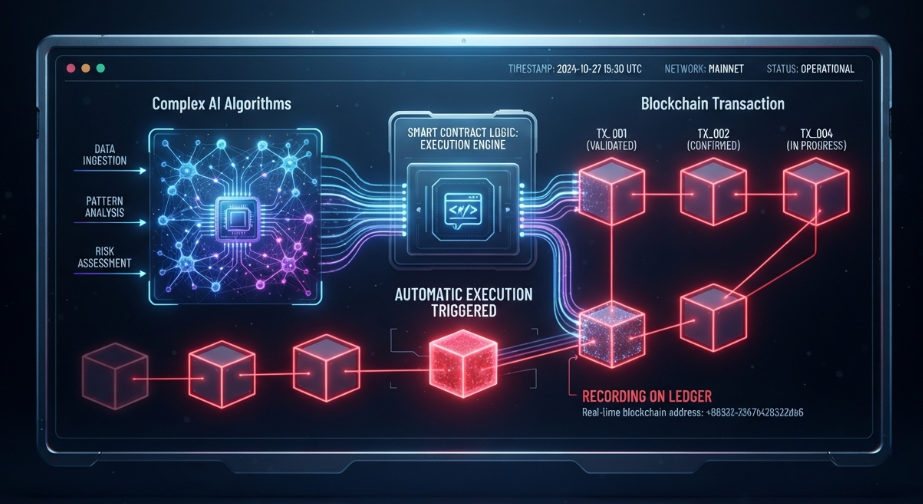
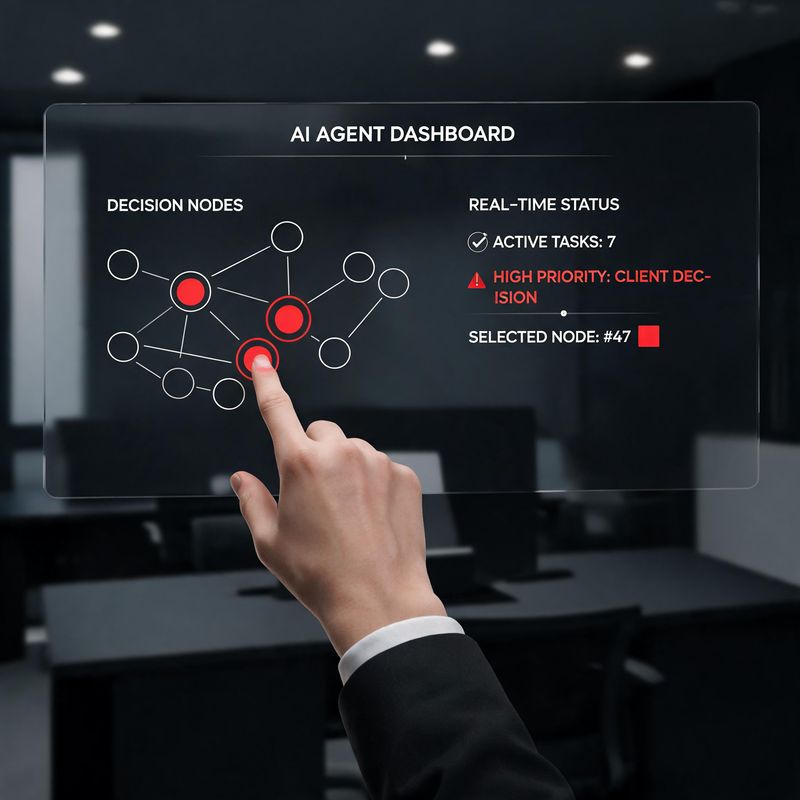
AI continues to dominate the consulting agenda-not just as a tool, but as an embedded strategic capability. Firms are moving from traditional AI augmentation toward agentic AI systems that can reason, make decisions, and operate autonomously across business processes.
By 2026, AI won’t just assist consultants with research and insights; intelligent systems will take on tasks traditionally done by human junior staff and enable consultants to focus on strategic advisory, change leadership, and bespoke transformation planning.
What this means for consulting:
- Add AI strategy and oversight services.
- Build frameworks for responsible AI governance.
- Train talent in hybrid human-AI collaboration skills.
2. Technology Consulting Market Growth & Strategic Spending Trends
The global technology consulting market is projected to exceed $400 billion in 2026, driven by increased external advisory demand to modernize legacy systems, improve digital infrastructure, and accelerate transformation initiatives.
Growth is most pronounced in data-sensitive sectors such as:
- Healthcare and life sciences
- Energy and resources
- Pharmaceuticals and biotech
This persistence in demand signals a strong runway for IT consulting through 2030.
3. Human + Machine Collaboration as the New Professional Model
According to Forbes, the future of consulting hinges on combining AI with uniquely human capabilities-strategic judgment, creativity, and trusted client relationships. AI should be interwoven into delivery rather than treated as a superficial add-on.
Leading firms are already restructuring internal operations to embed AI deeply into workflows and client services.
4. Boutique and Specialized AI-Oriented Firms Challenging Traditional Models
A new cohort of AI-first, niche consulting firms are emerging, offering agile, cost-effective solutions targeted at underserved segments like SMEs and industry-specific digital strategies.
These firms often:
- Leverage AI for rapid delivery.
- Focus on modular, outcome-based offerings.
- Compete with larger consultancies through specialization.
Consulting leaders will need to rethink value propositions and delivery models to stay competitive.
5. Sustainability, ESG, and Green IT Consulting
Environmental, Social, and Governance (ESG) priorities are becoming strategic imperatives for modern enterprises. Consulting firms will increasingly help clients embed sustainability into technology roadmaps-reducing carbon emissions, optimizing energy usage, and meeting regulatory standards.
IT consultants who can tie sustainability to measurable business impact will differentiate themselves in a crowded market.
6. Intelligent Automation, Process Re-Engineering & Continuous Delivery
Emerging trends show that automation extends beyond repetitive tasks to intelligent process automation, where systems self-learn and adapt business processes.
Consultants will:
- Support clients with intelligent workflow orchestration.
- Redesign operating models around automation and hyper-efficiency.
- Champion transformational methodologies like Continuous Delivery and DevOps.
7. Cloud-Native, Edge, and Next-Gen Infrastructure Consulting
While cloud migration remains vital, new dimensions like edge computing, hybrid cloud models, and 6G-ready environments will offer fresh consulting opportunities-especially for data-intensive or latency-sensitive applications (e.g., IoT, real-time analytics).
Consultants with expertise in edge + cloud synergy will be highly sought after.
8. Data Governance, Privacy & Regulatory Advisory
With the rise of autonomous systems and agentic AI, trusted data ecosystems are critical. According to recent research, successful adoption of autonomous systems depends on data quality, governance, and privacy architecture.
Consulting services in:
- Enterprise data strategy
- Ethical & compliant data governance
- Privacy-by-design frameworks
will become mainstream revenue streams.
9. Industry & Outcome Specific Consulting Models
Enterprises are increasingly shifting away from time-and-materials models toward outcome-based consulting engagements-where value is tied to measurable business results such as revenue uplift, cost reduction, risk mitigation, or growth acceleration.
Firms that package strategic outcomes with frameworks and KPIs will be positioned as strategic partners rather than commodity vendors.
10. Talent Reinvention - Skills That Matter Most
AI is reshaping not only consulting solutions but also how firms hire, manage, and develop talent. Traditional hierarchical staffing is giving way to leaner, skills-centric teams that blend domain expertise, strategic thinking, and technological fluency.
Consulting firms increasingly require consultants who:
- Understand AI and automation nuances
- Can bridge business and technology strategy
- Excel in change leadership and client co-creation
Conclusion
The landscape of IT consulting for 2026–2030 will be shaped by profound technology shifts, strategic reinvention, and new delivery paradigms. The most successful firms and consultants won’t just adopt tools-they will redefine the consulting craft, balancing smart technology with human-centric insight, integrity, and measurable business impact.
In this era:
- AI becomes a partner, not a competitor
- Data becomes the foundation of business logic
- Consultants become strategic allies in transformation rather than advisory vendors
Those who can deliver tailored, outcome-focused, and sustainably driven solutions will lead the industry through the next decade of innovation.
 Explore more on these topics


























 Guest Blogging: The Definitive Guide

 Top Trending Topics
 Share This
 Link copied!
 Recently Updated News