




Affordable Tech: How Chatbots Enhance Value in Healthcare Software
Last updated: March 31, 2026 Read in fullscreen view


 Recommended for you
- 06 Mar 2026
 Next-Generation AI Agents Explained: OpenClaw, NanoClaw, IronClaw and the Rise of Agent Architectures 352/392
 - 05 Oct 2025 The New Facebook Algorithm: A Paradigm Shift in Content Discovery 279/341
- 21 Dec 2023 Top 12 Low-Code Platforms To Use in 2024 216/1512
- 23 Dec 2025 Microsoft Power Automate vs. n8n: What’s the Real Difference? 212/338
- 29 Oct 2024 Top AI Tools and Frameworks You’ll Master in an Artificial Intelligence Course 185/590
- 01 Dec 2025 Manufacturing 4.0: AI Agents Enabling Self-Optimizing Production Systems 173/234
- 03 Oct 2025 Top CMS Trends 2026: The Future of Digital Content Management 165/195
- 02 Dec 2025 The Question That Shook Asia: What Happens When We Ask AI to Choose Between a Mother and a Wife? 165/201
- 05 Jun 2025 How AI-Driven Computer Vision Is Changing the Face of Retail Analytics 165/288
- 09 Jul 2024 What Is Artificial Intelligence and How Is It Used Today? 164/418
- 23 Dec 2024 Garbage In, Megabytes Out (GIMO): How to Rise Above AI Slop and Create Real Signal 164/218
- 25 Mar 2026 Token Bills: The "Cost Shock" After the AI Boom in Companies 162/185
- 16 Oct 2025 AI Inference Explained Simply: What Developers Really Need to Know 162/196
- 31 Dec 2025 10 Skills to Make You "Irreplaceable" in the Next 3 Years (even if AI changes everything) 157/187
- 30 Oct 2022 How Much Does MVP Development Cost in 2023? 156/417
- 20 Dec 2025 The Future of IT Consulting: Key Trends for 2026–2030 155/198
- 06 Nov 2025 Top 10 AI Development Companies in the USA to Watch in 2026 153/229
- 09 Jan 2022 How to Bridge the Gap Between Business and IT? 152/355
- 06 Dec 2025 Enterprise Operations 2.0: Why AI Agents Are Replacing Traditional Automation 147/191
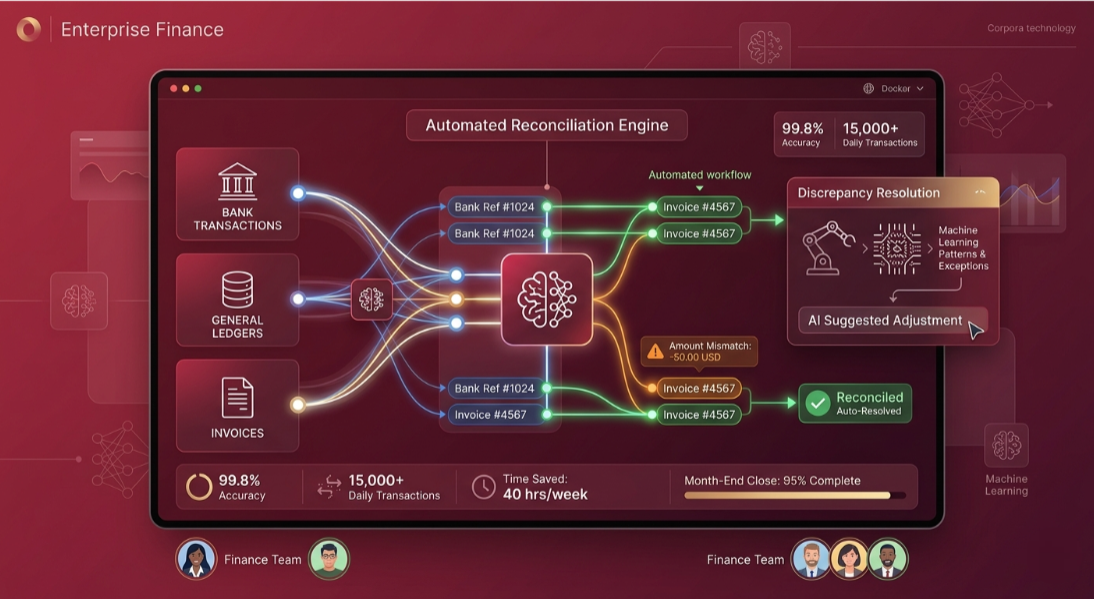
- 24 Mar 2026 AI for Financial Reconciliation: Automating Finance Operations in 2026 146/176
- 26 Mar 2026 What Is a System Integrator (SI)? Why the Software Subscription Model Is Becoming the New Standard 142/176
- 06 Nov 2025 DataOps: The Next Frontier in Agile Data Management 139/198
- 12 May 2026 Top 6 AI AR/VR Filter Tools for Mind-Blowing Videos and Photos in 2026 136/156
- 18 Jul 2024 The 8 Best ways to Innovate your SAAS Business Model in 2024 136/391
- 25 Nov 2025 How AI Agents Are Redefining Enterprise Automation and Decision-Making 132/190
- 01 Sep 2022 Facts Chart: Why Do Software Projects Fail? 130/725
- 21 Jun 2022 Difference between Quality and Grade 129/959
- 31 Jul 2025 Top WooCommerce Pre-Order Plugins with Countdown & Discounts 127/224
- 29 Jan 2026 Why Headless Commerce Is Shaping the Future of the Online Store 122/149
- 15 Apr 2024 Weights & Biases: The AI Developer Platform 118/309
- 04 Mar 2026 CRM Trends Shaping Customer Engagement in 2026 117/145
- 22 Dec 2025 The Role of Automotive Software in Building Smarter Vehicles 117/159
- 25 Dec 2025 What Is Algorithmic Fairness? Who Determines the Value of Content: Humans or Algorithms? 117/160
- 10 Apr 2021 RFP vs POC: Why the proof of concept is replacing the request for proposal 115/442
- 20 Feb 2025 How Machine Learning is Shaping the Future of Digital Advertising 114/236
- 19 Feb 2026 HIPAA-Compliant Healthcare iOS App Development Services: A Complete Guide 114/142
- 01 Jul 2025 The Hidden Costs of Not Adopting AI Agents: Risk of Falling Behind 113/262
- 27 Jul 2024 Positive Psychology in the Digital Age: Future Directions and Technologies 109/538
- 16 Aug 2022 What is a Headless CMS? 108/394
- 16 Aug 2022 What is a Headless CMS? 108/394
- 17 Oct 2025 MLOps vs AIOps: What’s the Difference and Why It Matters 105/216
- 16 Dec 2025 Reducing Cognitive Friction in Software Development: A Guide to Faster, Happier Teams 104/177
- 02 Dec 2024 The Intersection of AI and Business Analytics: Key Concepts to Master in Your Business Analytics Course 103/398
- 27 Aug 2025 How AI Consulting Is Driving Smarter Diagnostics and Hospital Operations 102/202
- 07 Jul 2021 The 5 Levels of IT Help Desk Support 102/578
- 03 Jan 2024 Why Partnership is important for Growth? 102/260
- 10 Nov 2025 Multi-Modal AI Agents: Merging Voice, Text, and Vision for Better CX 101/215
- 12 Jan 2026 Companies Developing Custom AI Models for Brand Creative: Market Landscape and Use Cases 100/132
- 21 Nov 2025 The Rise of AgentOps: How Enterprises Are Managing and Scaling AI Agents 99/154
- 16 Sep 2022 Examples Of Augmented Intelligence In Today’s Workplaces Shaping the Business as Usual 99/535
- 16 Sep 2022 Examples Of Augmented Intelligence In Today’s Workplaces Shaping the Business as Usual 99/535
- 16 Feb 2021 Choose Outsourcing for Your Non Disclosure Agreement (NDA) 99/269
- 08 Nov 2022 4 tips for meeting tough deadlines when outsourcing projects to software vendor 98/388
- 11 Oct 2022 Why choose Billable Viable Product (BVP) over Minimum Viable Product (MVP) 98/440
- 03 Dec 2025 IT Outsourcing Solutions Explained: What, How, Why, When 98/130
- 18 Jan 2024 Self-healing code is the future of software development 95/312
- 09 Sep 2025 Aligning BI Dashboards with KPIs: A Business + Data Collaboration Guide 95/183
- 20 Aug 2025 What Is Agentic AI? The Next Phase of Artificial Intelligence 95/255
- 24 Dec 2024 Artificial Intelligence and Cybersecurity: Building Trust in EFL Tutoring 95/265
- 21 Aug 2024 What is Singularity and Its Impact on Businesses? 95/556
- 25 Jan 2025 The Decline of Traditional SaaS and the Rise of AI-first Applications 93/198
- 25 Sep 2024 Enhancing Decision-Making Skills with an MBA: Data-Driven Approaches for Business Growth 93/300
- 06 May 2025 How Machine Learning Is Transforming Data Analytics Workflows 93/290
- 07 Nov 2025 Online vs. Offline Machine Learning Courses in South Africa: Which One Should You Pick? 92/163
- 07 Aug 2022 Things to Consider When Choosing a Technology Partner 92/375
- 23 Jun 2025 AI Avatars in the Metaverse: How Digital Beings Are Redefining Identity and Social Interaction 89/276
- 10 Jan 2024 Like for Like – how to preserves existing business and leverage technological advancement 86/508
- 28 Nov 2025 How AI Will Transform Vendor Onboarding and Seller Management in 2026 84/214
- 09 Feb 2023 The Challenge of Fixed-Bid Software Projects 83/332
- 30 Jul 2024 The Future of IT Consulting: Trends and Opportunities 83/295
- 22 Sep 2025 Why AI Is Critical for Accelerating Drug Discovery in Pharma 82/197
- 22 Nov 2024 The Role of AI in Enhancing Business Efficiency and Decision-Making 81/276
- 31 Dec 2023 Software Development Outsourcing Trends to Watch Out for in 2024 81/311
- 18 Aug 2024 The Future of Web Development: Emerging Trends and Technologies Every Developer Should Know 78/273
- 04 Oct 2023 The Future of Work: Harnessing AI Solutions for Business Growth 78/359
- 24 Oct 2025 AI Agents in SaaS Platforms: Automating User Support and Onboarding 77/148
- 03 Nov 2023 Why Is Billable Viable Product An Alternative To Minimum Viable Product? 77/268
- 31 Dec 2022 The New Normal for Software Development 76/429
- 10 Sep 2024 Leading Remote Teams in Hybrid Work Environments 76/220
- 27 Feb 2025 How AI Agents are Changing Software Development? 74/311
- 19 Dec 2023 How AI is Transforming Software Development? 73/366
- 03 Nov 2022 Top questions and answers you must know before ask for software outsourcing 73/358
- 21 Apr 2025 Agent AI in Multimodal Interaction: Transforming Human-Computer Engagement 71/266
- 10 Jul 2025 Building AI-Driven Knowledge Graphs from Unstructured Data 71/233
- 16 Apr 2021 Insightful Business Technology Consulting at TIGO 69/524
- 03 May 2024 The Iceberg of Ignorance 69/497
- 09 Oct 2024 Short-Form Video Advertising: The Secret to Captivating Your Audience 68/200
- 20 Nov 2022 Software Requirements Are A Communication Problem 65/307
- 06 Mar 2021 4 things you need to do before getting an accurate quote for your software development 65/762
- 07 Oct 2022 Digital Transformation: Become a Technology Powerhouse 63/310
- 05 Oct 2021 Shiny Object Syndrome: Why Your Business Isn't "Going Digital" 63/444
- 01 May 2023 CTO Interview Questions 60/395
- 17 Mar 2025 Integrating Salesforce with Yardi: A Guide to Achieving Success in Real Estate Business 60/267
- 29 May 2026 The Role of IoT in Modern Insurance App Development 60/70
- 29 Aug 2025 How AI Is Transforming Modern Management Science 59/126
- 10 Sep 2024 AI in Email Marketing: Personalization and Automation 55/232
- 01 May 2023 Understanding Business as Usual (BAU) and How to Transition 52/1174
- 09 Mar 2022 Consultant Implementation Pricing 49/261
- 25 Jun 2026 Vercel: The "Secret Weapon" for Modern, High-Performance Web Deployment 49/54
- 31 Dec 2022 Future of Software Development Trends and Predictions 48/199
- 01 Mar 2023 How do you deal with disputes and conflicts that may arise during a software consulting project? 47/207
- 17 Mar 2025 IT Consultants in Digital Transformation 41/131
- 08 Jul 2026 What is HL7 FHIR? The Benefits of HL7 FHIR in Healthcare 23/26
Chatbots brought big changes to the healthcare software development in recent years. These AI programs interact with patients and help make healthcare processes simpler. A Gartner report says by 2025, 50% of big companies will use chatbots for customer service. Accenture estimates AI chatbots could save the U.S. healthcare system up to $150 billion a year by 2026. A study by Juniper Research found that by 2026, chatbots could save over 2.5 billion hours for healthcare providers globally.
These impressive numbers show chatbots growing importance in healthcare. They enhance the patient's experience with timely, accurate information. They let healthcare staff focus more on direct patient care. As chatbot use grows, the healthcare field gains efficiency and better outcomes from these digital assistants.
What Are Chatbots, and Why Are They Important in Healthcare?
Chatbots are smart computer programs that can chat with people. They use artificial intelligence (AI) to grasp what users want. In the healthcare sector, these chatbots prove highly helpful.
-
Chatbots excel at routine tasks without getting fatigued. They can book doctor's appointments for patients. They remember when to take medicine. This frees doctors and nurses to focus on patient care instead of paperwork.
-
But convenience isn't their only strength. Chatbots can converse with many people simultaneously. In areas with few doctors, they provide quick access to information and aid. This small help matters greatly.
-
Furthermore, chatbots adapt and improve through interactions. The more they converse, the better their counsel becomes. Their advice feels personalized to your needs, enhancing your care experience.
Simply put, chatbots help the healthcare industry a lot. They assist people at all times. They save doctors and patients time. They also make healthcare feel personal. Chatbots are like smart helpers. They can answer health queries easily. This helps everyone take care of their health better.
Cutting Costs Without Cutting Corners
Healthcare chatbots help save money while providing great care. Think of them as efficient helpers. They can do routine tasks that take up time. For example, scheduling appointments or answering basic queries. This lets staff focus on caring for patients.
-
By doing everyday tasks, chatbots cut the need for admin staff. This leads to big savings for healthcare providers. It's like doing more with less. Smaller clinics especially benefit from smaller budgets.
-
Chatbots also save money by making operations smoother, faster. When patients get quick answers or book appointments easily, it's efficient. This efficiency lets providers serve more patients without raising costs.
-
Saving money is good for providers and patients. When healthcare is efficient and cheaper, savings pass to patients. This makes healthcare affordable for all, which matters a lot.
Chatbots are helpful tools in healthcare. They cut costs but uphold quality care. By automating routine tasks, they streamline operations and may lower patient costs. Chatbots aid in building a better healthcare system for everyone.
Enhancing Patient Experience with Personalized Care
In healthcare, patients want tailored care for their needs. Chatbots make this bespoke care more achievable. They provide targeted advice beyond answering questions, shaping each patient's health journey uniquely.
-
When patients interact with chatbots, the technology leverages their health records and concerns to give advice matching their situation. For instance, if a patient asks about diabetes management, the chatbot provides tips based on their medications, lifestyle, and prior records. The advice is personalized, not generic.
-
But personalization goes beyond health advice. Chatbots remember patients' preferences for appointments or communication, making follow-ups and updates convenient. This attentiveness makes patients feel valued and understood, boosting confidence in their care.
-
Chatbots offer a key benefit: ongoing patient engagement. Healthcare isn't just during doctor visits. It's a daily concern. Chatbots are always available. Patients can ask questions, get medication reminders, or receive encouragement. This continuous touchpoint strengthens patient-provider relationships. It makes healthcare more positive and supportive.
Hence, chatbots transform the patient experience. They provide personalized, attentive care tailored to individual needs. As these technologies evolve, healthcare becomes more than a service. It's a personalized journey toward better health.
Ensuring Data Privacy and Security
Keeping health information safe is critical. Chatbots have robust security measures. They protect private details. Think of chatbots as health secret safekeepers. They use encryption, scrambling data so that only authorized people can access it.
Like a trusted confidant, chatbots restrict information access. They follow rules and industry regulations. These guidelines dictate proper data handling. It's like a big rule book for health information management.
Chatbots are available 24/7. At midnight or anytime, they assist with health queries and appointments securely. They lock up private information tightly. This ensures you can trust sharing personal details. Chatbots guard health data meticulously while helping manage care.
As chatbots schedule visits or send the medication reminders, they safeguard information discreetly behind the scenes. Like guardians for health records, they constantly protect data. In an era of data breaches, healthcare chatbots prioritize privacy and security. They support healthcare by aiding recovery while securing confidential information.
Streamlining Operations for Efficiency
Healthcare facilities face mountains of paperwork, calls, appointments daily, overwhelming staff. Choose chatbots—digital assistants relentlessly handling tasks without breaks. They chat with patients, answering basic queries and scheduling doctor visits. This relieves healthcare workers of routine duties, allowing focus on patient care.
Tireless chatbots streamline operations tremendously at clinics and hospitals. By autonomously managing simple queries and bookings, they boost efficiency remarkably. Healthcare personnel can dedicate attention to treating patients instead of administrative work. Chatbots enhance productivity significantly as ever-ready digital assistants.
Chatbots have a cool ability to organize things. They keep track of appointments. They ensure everyone knows when and where to be. This helps keep the day running smoothly. Also, chatbots send appointment and medication reminders. This means fewer missed appointments and better patient health.
Chatbots gather information efficiently. They can talk to many patients simultaneously. They collect crucial details. This data helps doctors and nurses. They precisely understand patient needs before meeting them. It's like getting a head start on care.
Finding a Trusted Software Development Partner
When introducing chatbots into healthcare software, choosing a top iOS app development company in the USA resembles picking an elite teammate for a vital mission.
-
You should prioritize experience in healthcare technology. Seek companies grasping not just software, but healthcare's unique challenges and demands. They should boast a solid track record of managing sensitive health data and navigating intricate regulations.
-
Next, look at their success stories. A good partner will proudly share their achievements. See if they have reviews from other healthcare providers. Also, look for case studies that show how they made chatbots work and how those bots helped. This can give you an idea of their process and what results you can expect.
-
Security is a must. Since healthcare data is so sensitive, your partner must focus on data safety. They must also follow healthcare rules like HIPAA. Ask about their security measures and how they keep up with new standards to make sure patient info is safe.
-
Flexibility and customization are key. Your healthcare needs are unique, so pre-made solutions might not work. The right partner will want to know your exact needs. They will then tailor their chatbot solutions to fit, so the final product works well and is easy to use.
Lastly, good talks matter. This journey needs ongoing talks, from first ideas to support after launch. Choose a partner who listens, replies fast, and is open in their talks through the whole project.
Conclusion: Embracing the Future with Chatbots
To sum up, chatbots quickly become vital in healthcare. They help us move toward better, more accessible healthcare for all. These smart assistants revolutionize healthcare by providing advice and care anytime, securely storing health data, and streamlining workflows for doctors and staff.
Going forward, chatbots in healthcare will only grow. They're not just a passing fad but a key to personalized, efficient, accessible care for everyone. With the help of a top mobile app development company in the USA, you can embrace chatbots and advance toward a future where everyone gets needed care and support promptly. It's a promising future for healthcare, thanks to chatbots.
 Explore more on these topics

























 Guest Blogging: The Definitive Guide

 Top Trending Topics
 Share This
 Link copied!
 Recently Updated News