


Is planning "set it and forget it" or "set it and check it"?
Last updated: August 07, 2024 Read in fullscreen view


 Recommended for you
- 01 Aug 2024
 The Standish Group report 83.9% of IT projects partially or completely fail 808/2630
 - 13 Apr 2024 Lessons on Teamwork and Leadership from Chinese story book "Journey to the West" 271/1363
- 21 Sep 2023 Abraham Wald and the Missing Bullet Holes 191/896
- 02 Nov 2021 What is Terms of Reference (ToR)? 180/1758
- 18 Oct 2020 How to use the "Knowns" and "Unknowns" technique to manage assumptions 168/1263
- 18 Sep 2025 Pilot Projects Explained: What They Are and How to Use Them Effectively 152/208
- 01 Dec 2022 Difference between Set-based development and Point-based development 147/513
- 27 Oct 2020 8 principles of Agile Testing 142/1458
- 21 May 2022 "Fail Fast, Fail Often, Fail Forward" is the answer to Agile practices of software success 139/1188
- 31 Dec 2025 The Curse of Knowledge in Pre-Project Requirements 133/190
- 03 Jul 2022 What is the difference between Project Proposal and Software Requirements Specification (SRS) in software engineering? 133/1174
- 10 Apr 2022 Agile self-organizing teams: What are they? How do they work? 132/692
- 23 Sep 2021 INFOGRAPHIC: Top 9 Software Outsourcing Mistakes 129/552
- 18 Aug 2022 What are the consequences of poor requirements with software development projects? 126/394
- 16 Jul 2022 What are disadvantages of Agile Methodology? How to mitigate the disadvantages ? 121/517
- 03 Jul 2022 Manifesto for Agile Software Development 121/391
- 07 Dec 2023 12 project management myths to avoid 121/313
- 11 Jan 2024 What are the Benefits and Limitations of Augmented Intelligence? 120/606
- 13 Dec 2020 Move fast, fail fast, fail-safe 120/461
- 01 Oct 2020 Fail fast, learn faster with Agile methodology 119/1193
- 23 Jun 2024 Best Practices for Managing Project Escalations 119/324
- 28 Nov 2023 Scrum Team Failure — Scrum Anti-Patterns Taxonomy 119/374
- 06 Feb 2021 Why fail fast and learn fast? 116/594
- 01 Oct 2024 23 Overlooked Types of Non-Functional Requirements You Shouldn’t Ignore 115/162
- 01 Mar 2024 10 Project Management Myths 114/288
- 02 May 2022 What Is RAID in Project Management? (With Pros and Cons) 110/963
- 19 Jul 2022 The 12 Principles of Continuous Process Improvement 110/650
- 03 Apr 2022 Microsoft Solutions Framework (MSF) 109/1453
- 14 Mar 2024 Why should you opt for software localization from a professional agency? 102/241
- 12 Aug 2022 What is End-to-end project management? 102/610
- 12 May 2024 The Pros and Cons of the Creator Economy in the Age of AI: Opportunities, Challenges, and the Gray Zone with the Gig Economy 100/369
- 14 Oct 2021 Advantages and Disadvantages of Time and Material Contract (T&M) 99/997
- 20 Nov 2022 Agile working method in software and football 98/438
- 03 Jan 2023 Organizing your agile teams? Think about M.A.T (Mastery, Autonomy, Purpose) 98/497
- 02 Nov 2022 Difference between Change Management and Project Management 98/330
- 28 Dec 2021 8 types of pricing models in software development outsourcing 96/530
- 09 Sep 2024 How AI Rewriting Can Improve Your Content’s SEO Performance 96/294
- 07 Oct 2020 How To Manage Expectations at Work (and Why It's Important) 93/431
- 11 Jul 2022 Lean software development - the game-changer in the digital age 92/384
- 09 May 2022 Build one to throw away vs Second-system effect: What are differences? 90/402
- 17 Feb 2022 Prioritizing Software Requirements with Kano Analysis 90/394
- 10 Apr 2024 The Parking Lot Method: Unlocking a Simple Secret to Supercharge Your Productivity 89/611
- 19 Oct 2021 Is gold plating good or bad in project management? 88/919
- 08 Oct 2022 KPI - The New Leadership 87/696
- 01 Jun 2022 How Your Agile Development Team is Just Like a Football Team? 86/304
- 22 May 2022 What are common mistakes that new or inexperienced managers make? 85/366
- 10 Nov 2022 Poor Code Indicators and How to Improve Your Code? 84/301
- 17 Oct 2021 Does Fast Tracking increase project cost? 84/469
- 14 Jun 2022 Example and Excel template of a RACI chart in Software Development 84/958
- 10 Dec 2023 Pain points of User Acceptance Testing (UAT) 83/544
- 18 Dec 2023 The Cone of Uncertainty in Scrum & Requirement Definition 82/818
- 18 Oct 2021 Key Elements to Ramping Up a Large Team 80/1342
- 09 Oct 2022 Key Advantages and Disadvantages of Agile Methodology 80/784
- 12 Mar 2024 How do you create FOMO in software prospects? 78/252
- 07 Jul 2022 Managing Project Execution Terms 77/484
- 18 Feb 2026 "Hit and Run" Project Management: Balancing Speed with Sustainability 77/103
- 01 Mar 2023 Bug Prioritization - What are the 5 levels of priority? 75/304
- 12 Oct 2020 The Agile Manifesto - Principle #8 73/568
- 19 Apr 2021 7 Most Common Time-Wasters For Software Development 72/617
- 23 May 2024 Mastering AI: Sharpening the Axe in the Digital Age 72/341
- 31 Oct 2021 Tips to Fail Fast With Outsourcing 70/461
- 27 Jan 2020 Should a project manager push developers to work more hours due to mistakes of manager schedule setting? 68/509
- 15 May 2022 20 Common Mistakes Made by New or Inexperienced Project Managers 67/350
- 24 Nov 2023 The project management paradox: Achieving MORE by doing LESS 65/295
- 02 Dec 2021 3 Ways to Avoid Scope Creep in IT Consulting 65/274
- 02 Jun 2024 Reviving Ancient Wisdom: The Spiritual Side of Project Management 64/328
- 20 Jul 2022 Software Myths and Realities 63/1005
- 05 Jan 2024 Easy ASANA tips & tricks for you and your team 63/262
- 05 Jun 2023 Fractional, Part-Time (virtual) or Interim CTO: Who Will Cover Your Business Needs? 63/206
- 06 Jun 2022 Change Management at the Project Level 63/369
- 26 Sep 2024 Successful Project Management Techniques You Need to Look Out For 62/459
- 26 Sep 2024 Successful Project Management Techniques You Need to Look Out For 62/459
- 30 Nov 2023 Project Managers, Focus on Outcomes — Not Deliverables 61/222
- 13 Jan 2020 Quiz: Test your understanding project cost management 56/704
- 01 Mar 2022 Why Does Scrum Fail in Large Companies? 55/319
- 10 May 2022 Levels of Teamwork 55/250
- 26 Dec 2023 Improving Meeting Effectiveness Through the Six Thinking Hats 54/330
- 21 Jun 2024 Dead Horses and the Escalation of Commitment 51/190
- 21 Oct 2022 Virtual meeting - How does TIGO save cost, reduce complexity and improve quality by remote communication? 51/241
- 10 Oct 2022 Should Your Business Go Agile? (Infographic) 51/175
- 06 Nov 2019 How to Access Software Project Size? 49/307
- 11 Jan 2022 Lean Thinking and Lean Transformation 48/309
- 02 Nov 2022 Frequently Asked Questions about Agile and Scrum 47/444
- 12 Sep 2024 Be Water, My Friend: Fluidity, Flow & Going With the Flow 32/202
In the past, business leaders spent considerable time crafting detailed long-term plans, then "set it and forget it". This approach worked well for high certainty, low risk until the late 20th century, when dynamic markets required more frequent changes, and a "set it and check it" approach became a better choice for businesses.
"Failing to plan is planning to fail". The time management guru Alan Lakein's statement effectively captures the significance of planning in project management. Even while Agile practitioners hate set deadlines and scopes, it is an inevitable part of many organizations' daily operations, therefore we cannot overlook its importance.
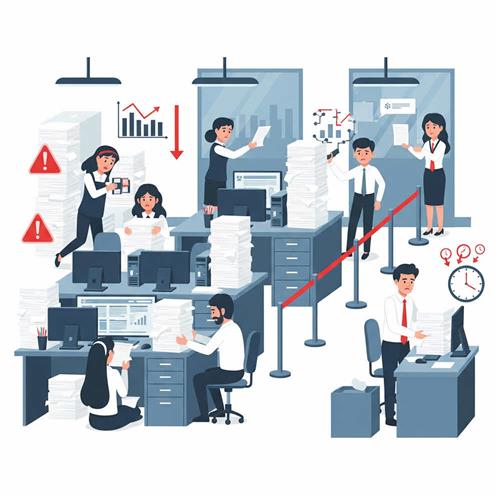
We constantly hear about how poor our project planning is. Many believe that project managers lack planning skills, which is why they judge things in this manner. Experts are supposed to advise us to plan more meticulously. Because of this, forms and templates are enhanced to give the impression of planning strength but really don’t produce any tangible value.
We must take into account two myths (misconceptions) while evaluating the efficiency of our planning.
- The first overarching misunderstanding is that projects should be completed just as they are planned.
- The second misunderstanding is that individuals don't plan because they are unsure of how to accomplish it or don't want to follow a strict procedure. Most people actually do know how to plan but like to design and build (manufacture) more than they like to plan and analyze (prepare). Management encourages this behavior because they want to see results sooner than later. Very few people really like to plan. Those that do would rather plan for a vacation than go on one. These people are rare.
A well-crafted plan formalizes the project's scope by taking into account what all project stakeholders now know and expect. Although the scope is never ideal, it is necessary to create a plan for adhering to the standards. This allows for the forecasting of resources and the development of a schedule. All parties involved have agreed the final baseline, which is the best that can be created with the knowledge available at the moment. The initial planning process should never take any longer than 10% of the overall project duration.
The only way to ensure proper planning occurs in your organization is to have a formal planning review process that does not let a project continue unless the project manager comes up with an appropriate plan. The person in charge of the process - usually PMO Head - should be a very detailed and systematic person who has the support of top management. In this approach, it will be difficult for project managers who dislike planning to get around the policy.
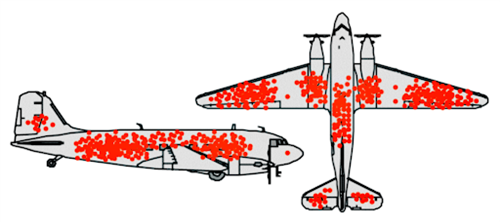
As projects progress and issues come up that cause them to veer off-plan, make sure when looking for the cause-effect relationships, thorough analysis is conducted. It is way too easy to conclude it was the result of poor planning, often the default reason in organizations. This is only possible if everyone who was involved in the planning process was able to predict this problem, and all the information and awareness that was acquired after planning but before the problem arose was taken away.
Projects will sometimes go off course, therefore it's critical to make sure that throughout their duration, planned modifications are made and new expectations are set with stakeholders. This is the one shortcoming rarely discussed in the project management process. It should be raised frequently because one of the primary responsibilities of the project manager is to continuously execute, control, and replan for 90% of the project's duration.
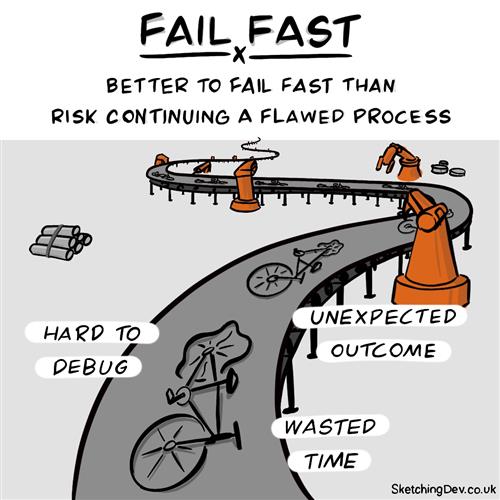
We live in a world dominated by uncertainty resulting in a lack of foresight. Shouldn’t our expectations and processes be in alignment with this reality? Understanding this concern will save us from running headlong into a dead end and instead direct our efforts and resources toward areas where a difference can be made.
 Explore more on these topics






















 Guest Blogging: The Definitive Guide

 Top Trending Topics
 Share This
 Link copied!
 Recently Updated News