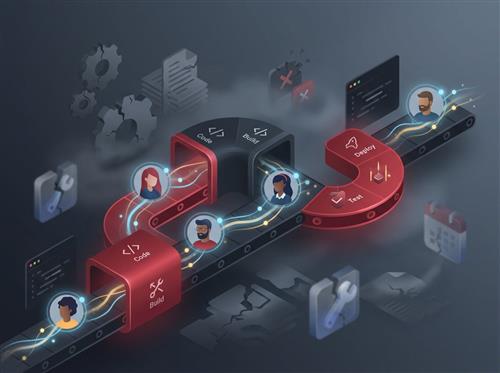



Scaling Your Business with Tailored Mobile App Solutions
Last updated: December 13, 2024 Read in fullscreen view


 Recommended for you
- 05 Oct 2025
 The New Facebook Algorithm: A Paradigm Shift in Content Discovery 107/161
 - 25 Mar 2026 Token Bills: The "Cost Shock" After the AI Boom in Companies 90/100
- 01 May 2023 Understanding Business as Usual (BAU) and How to Transition 85/999
- 19 Oct 2021 Software development life cycles 70/745
- 18 Oct 2020 How to use the "Knowns" and "Unknowns" technique to manage assumptions 67/1147
- 21 Dec 2023 Top 12 Low-Code Platforms To Use in 2024 65/1322
- 03 Oct 2025 Top CMS Trends 2026: The Future of Digital Content Management 64/87
- 03 Dec 2025 Templafy Features Explained: The Ultimate Guide to Streamlined Content Management 62/91
- 14 Aug 2024 From Steel to Software: The Reluctant Evolution of Japan's Tech Corporates 57/588
- 13 Oct 2021 Outsourcing Software Development: MVP, Proof of Concept (POC) and Prototyping. Which is better? 56/515
- 12 Oct 2022 14 Common Reasons Software Projects Fail (And How To Avoid Them) 55/608
- 20 Dec 2025 The Future of IT Consulting: Key Trends for 2026–2030 55/93
- 31 Dec 2025 10 Skills to Make You "Irreplaceable" in the Next 3 Years (even if AI changes everything) 54/74
- 31 Aug 2022 What are the best practices for software contract negotiations? 54/311
- 04 Mar 2026 CRM Trends Shaping Customer Engagement in 2026 51/56
- 18 Jul 2024 The 8 Best ways to Innovate your SAAS Business Model in 2024 50/298
- 13 Dec 2020 Move fast, fail fast, fail-safe 49/360
- 01 Oct 2020 Fail fast, learn faster with Agile methodology 48/1094
- 20 Feb 2025 How Machine Learning is Shaping the Future of Digital Advertising 48/161
- 06 Feb 2021 Why fail fast and learn fast? 47/503
- 11 Oct 2022 Why choose Billable Viable Product (BVP) over Minimum Viable Product (MVP) 45/386
- 29 Nov 2021 Memorandum of Understanding (MOU) for Partnership Agreements 44/588
- 25 Aug 2024 Mobile App Development Trends to Watch Out for 2025 44/281
- 27 Jul 2024 Positive Psychology in the Digital Age: Future Directions and Technologies 43/455
- 07 Nov 2022 Why Design Thinking can save the outsourcing industry 43/230
- 03 Nov 2023 Why Is Billable Viable Product An Alternative To Minimum Viable Product? 42/214
- 20 Dec 2021 What is Hybrid Mobile App Development? 41/427
- 14 Oct 2021 Advantages and Disadvantages of Time and Material Contract (T&M) 41/908
- 12 Dec 2021 Zero Sum Games Agile vs. Waterfall Project Management Methods 39/447
- 23 Jun 2025 AI Avatars in the Metaverse: How Digital Beings Are Redefining Identity and Social Interaction 39/181
- 18 Aug 2022 What are the consequences of poor requirements with software development projects? 38/295
- 28 Oct 2025 The Future of Real Estate: Key Trends and Essential Lessons in Digital Transformation 37/92
- 26 Mar 2026 What Is a System Integrator (SI)? Why the Software Subscription Model Is Becoming the New Standard 36/52
- 20 Aug 2025 What Is Agentic AI? The Next Phase of Artificial Intelligence 36/185
- 25 Jan 2025 The Decline of Traditional SaaS and the Rise of AI-first Applications 36/136
- 22 May 2025 Role of Self-Service in CRM: Customer & Partner Portals for Automation 36/115
- 10 Sep 2024 Leading Remote Teams in Hybrid Work Environments 36/174
- 05 Sep 2023 The Cold Start Problem: How to Start and Scale Network Effects 35/224
- 07 Oct 2025 Case Study: Using the “Messaging House” Framework to Build a Digital Transformation Roadmap 35/107
- 31 Dec 2023 Software Development Outsourcing Trends to Watch Out for in 2024 34/259
- 08 Oct 2022 KPI - The New Leadership 34/629
- 04 Oct 2021 Product Validation: The Key to Developing the Best Product Possible 34/337
- 28 Jul 2022 POC, Prototypes, Pilots and MVP: What Are the Differences? 33/748
- 03 Jan 2024 Why Partnership is important for Growth? 32/187
- 01 Mar 2023 Bug Prioritization - What are the 5 levels of priority? 31/252
- 02 Dec 2024 The Intersection of AI and Business Analytics: Key Concepts to Master in Your Business Analytics Course 31/321
- 28 Dec 2021 8 types of pricing models in software development outsourcing 31/464
- 16 Sep 2022 Examples Of Augmented Intelligence In Today’s Workplaces Shaping the Business as Usual 30/458
- 04 Oct 2022 Which ERP implementation strategy is right for your business? 30/350
- 06 Dec 2024 Steps For Integrating Sustainable Practices Into Business Operations 30/172
- 27 Feb 2025 How AI Agents are Changing Software Development? 30/219
- 05 Jan 2024 Easy ASANA tips & tricks for you and your team 30/225
- 16 Aug 2022 What is a Headless CMS? 29/293
- 10 Dec 2023 Pain points of User Acceptance Testing (UAT) 29/479
- 10 Nov 2022 Poor Code Indicators and How to Improve Your Code? 28/244
- 28 Oct 2022 Build Operate Transfer (B.O.T) Model in Software Outsourcing 28/425
- 05 Mar 2021 How do you minimize risks when you outsource software development? 28/349
- 31 Dec 2022 The New Normal for Software Development 28/379
- 09 Oct 2024 Short-Form Video Advertising: The Secret to Captivating Your Audience 28/157
- 17 Jun 2021 What is IT-business alignment? 27/393
- 23 Sep 2021 INFOGRAPHIC: Top 9 Software Outsourcing Mistakes 27/449
- 01 Dec 2023 Laws of Project Management 26/333
- 18 Jul 2021 How To Ramp Up An Offshore Software Development Team Quickly 26/610
- 11 Jan 2024 What are the Benefits and Limitations of Augmented Intelligence? 26/499
- 18 Aug 2024 The Future of Web Development: Emerging Trends and Technologies Every Developer Should Know 24/213
- 12 Mar 2024 How do you create FOMO in software prospects? 24/190
- 22 Nov 2024 The Role of AI in Enhancing Business Efficiency and Decision-Making 24/212
- 05 Aug 2024 Revisiting the Mistake That Halted Japan's Software Surge 24/365
- 06 Mar 2024 [SemRush] What Are LSI Keywords & Why They Don‘t Matter 24/206
- 30 Jul 2024 The Future of IT Consulting: Trends and Opportunities 23/216
- 19 Oct 2021 Is gold plating good or bad in project management? 23/845
- 17 Feb 2022 Prioritizing Software Requirements with Kano Analysis 23/326
- 19 Apr 2021 7 Most Common Time-Wasters For Software Development 22/565
- 03 May 2024 The Iceberg of Ignorance 22/432
- 05 Oct 2021 Shiny Object Syndrome: Why Your Business Isn't "Going Digital" 21/376
- 10 Sep 2024 AI in Email Marketing: Personalization and Automation 20/195
- 26 Dec 2023 Improving Meeting Effectiveness Through the Six Thinking Hats 20/277
- 31 Oct 2021 Tips to Fail Fast With Outsourcing 20/406
- 14 Mar 2024 Why should you opt for software localization from a professional agency? 18/154
- 12 Aug 2024 Understanding Google Analytics in Mumbai: A Beginner's Guide 18/111
- 19 Dec 2023 How AI is Transforming Software Development? 17/305
- 25 Sep 2024 Enhancing Decision-Making Skills with an MBA: Data-Driven Approaches for Business Growth 17/217
- 01 May 2024 Warren Buffett’s Golden Rule for Digital Transformation: Avoiding Tech Overload 16/220
- 18 Jan 2024 Self-healing code is the future of software development 16/228
- 06 Nov 2019 How to Access Software Project Size? 16/262
- 31 Dec 2022 Future of Software Development Trends and Predictions 14/154
| About the Author | Guest Post | Content Creator |
Mobile apps are no longer a luxury. They have become essential for businesses aiming to grow and connect with their audience effectively. Tailored mobile app solutions are transforming the way businesses operate. You can use these apps to streamline processes, enhance customer engagement, and create unique user experiences.
It is important to know how these solutions can help you scale your business in a competitive market. Below are the key points that explain why tailored mobile apps are crucial and how they can empower your business growth.
What Are Tailored Mobile App Solutions?
Tailored mobile apps are built to suit the specific needs of a business. Unlike generic off-the-shelf apps, they focus on unique requirements such as branding, functionality, and scalability.
A tailored app gives you complete control over design, features, and integrations. Businesses in industries like healthcare, FinTech, and e-commerce often choose these solutions to gain a competitive edge.
For example:
- Healthcare apps can simplify patient appointments and records.
- FinTech apps can provide secure payment and investment tools.
- E-commerce apps can offer personalized shopping experiences.
Why Do Startups and SMEs Need Custom Mobile Apps?
Startups and SMEs face unique challenges. You may need to stand out in a crowded market or streamline operations with limited resources. Custom mobile application development offers solutions to these challenges.
1. Build a Unique Brand Identity
Your app reflects your brand. A customized app helps create a memorable experience that aligns with your branding.
2. Streamline Operations
You can automate repetitive tasks and reduce errors through tailored features like inventory tracking or workflow management.
3. Adapt as You Grow
Scalability becomes easier with a custom app. You can add new features or adjust the app’s capacity as your business expands.
Example: A local SME used a custom-built e-commerce app to scale its online store, increasing sales by 45% within a year.
How Can Mobile Apps Transform Customer Engagement?
Customer engagement is critical for any business. A well-designed app can bridge the gap between you and your audience.
1. Direct Communication
Push notifications allow you to share updates, discounts, and announcements instantly. Customers appreciate real-time information.
2. Loyalty Programs
You can integrate rewards systems to encourage repeat purchases. Gamification within apps makes loyalty programs engaging.
3. Seamless User Experience
Tailored apps focus on the user journey. Smooth navigation, fast loading times, and responsive designs improve customer satisfaction.
Example: A restaurant chain increased customer retention by 30% through a custom app that offered exclusive discounts and table bookings.
What Features Drive Scalability in Mobile Apps?
Scalability ensures your app can handle growth without compromising performance. You should focus on features that support expansion.
1. Cloud Integration
Cloud technology enables real-time data synchronization and storage. It supports scalability by managing large data volumes efficiently.
2. Cross-Platform Compatibility
Your app should work on multiple platforms like iOS and Android to reach a wider audience.
3. Data Analytics
In-app analytics provide insights into user behaviour. You can make informed decisions based on this data.
4. Modular Architecture
A modular design allows you to add or remove features without rebuilding the entire app.
For instance, an e-commerce app scaled its operations to handle a 100% increase in traffic during the holiday season by integrating cloud solutions.
Why Partnering with the Right Development Agency Matters?
Collaborating with a reliable development agency can make a significant difference. You should consider agencies that understand your industry and offer ongoing support.
1. Industry Expertise
Experienced developers understand your business needs. They can create apps tailored to specific industries, such as healthcare or FinTech.
2. Cost Efficiency
Outsourcing app development is more cost-effective than building an in-house team. Agencies offer expertise without requiring long-term hiring commitments.
3. Ongoing Maintenance
Your app will need regular updates and support. A good agency provides post-launch services to ensure smooth functionality.
For example, We Teck specializes in developing scalable, tailored mobile apps for startups, SMEs, and enterprises.
How Do Tailored Apps Benefit U.S. High-Growth Industries?
Industries like healthcare, FinTech, and e-commerce rely heavily on technology. Tailored apps meet their specific demands.
Healthcare: Apps simplify appointment scheduling, teleconsultations, and patient records. This improves efficiency and patient satisfaction.
FinTech: Custom apps ensure secure transactions and personalized financial tools. Features like biometric authentication enhance user trust.
E-commerce: Tailored apps integrate advanced search options, personalized recommendations, and seamless payment gateways.
Example: A healthcare provider introduced a custom app for telemedicine services, increasing patient engagement by 60%.
Conclusion
Tailored mobile app solutions are a game-changer for businesses looking to scale. They help you streamline operations, enhance customer engagement, and adapt to growth.
It is important to choose the right development partner to maximize the potential of your app. Agencies that offer expertise in creating custom apps that drive results.
 Explore more on these topics























 Guest Blogging: The Definitive Guide

 Top Trending Topics
 Share This
 Link copied!
 Recently Updated News