

Stakeholders and Change Management
Last updated: March 14, 2024 Read in fullscreen view


 Recommended for you
- 01 Aug 2024
 The Standish Group report 83.9% of IT projects partially or completely fail 788/2605
 - 13 Apr 2024 Lessons on Teamwork and Leadership from Chinese story book "Journey to the West" 256/1342
- 02 Nov 2021 What is Terms of Reference (ToR)? 169/1746
- 18 Oct 2020 How to use the "Knowns" and "Unknowns" technique to manage assumptions 165/1259
- 30 Oct 2022 How Much Does MVP Development Cost in 2023? 154/414
- 09 Jan 2022 How to Bridge the Gap Between Business and IT? 149/352
- 01 Sep 2022 Facts Chart: Why Do Software Projects Fail? 128/721
- 06 Nov 2023 How do you streamline requirement analysis and modeling? 125/362
- 23 Sep 2021 INFOGRAPHIC: Top 9 Software Outsourcing Mistakes 123/546
- 18 Aug 2022 What are the consequences of poor requirements with software development projects? 119/387
- 11 Jan 2024 What are the Benefits and Limitations of Augmented Intelligence? 119/605
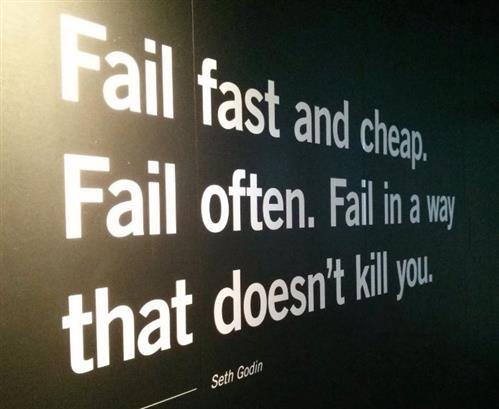
- 20 Jan 2021 Fail early, fail often, fail cheap, fail safe but always fail forward 118/933
- 13 Dec 2020 Move fast, fail fast, fail-safe 118/458
- 23 Jun 2024 Best Practices for Managing Project Escalations 115/320
- 06 Feb 2021 Why fail fast and learn fast? 114/590
- 01 Oct 2020 Fail fast, learn faster with Agile methodology 113/1187
- 10 Apr 2021 RFP vs POC: Why the proof of concept is replacing the request for proposal 112/439
- 02 Nov 2021 [Case Study] Streamlined Data Reporting using Tableau 107/410
- 02 May 2022 What Is RAID in Project Management? (With Pros and Cons) 105/948
- 01 Mar 2024 10 Project Management Myths 104/278
- 03 Apr 2022 Microsoft Solutions Framework (MSF) 103/1445
- 14 Mar 2024 Why should you opt for software localization from a professional agency? 102/241
- 12 Aug 2022 What is End-to-end project management? 102/608
- 07 Jul 2021 The 5 Levels of IT Help Desk Support 102/578
- 11 Nov 2021 What is an IT Self-service Portal? Why is it Important to Your Business? 102/549
- 08 Nov 2022 4 tips for meeting tough deadlines when outsourcing projects to software vendor 97/387
- 03 Dec 2025 IT Outsourcing Solutions Explained: What, How, Why, When 97/129
- 16 Feb 2021 Choose Outsourcing for Your Non Disclosure Agreement (NDA) 96/266
- 03 Jan 2023 Organizing your agile teams? Think about M.A.T (Mastery, Autonomy, Purpose) 96/493
- 14 Oct 2021 Advantages and Disadvantages of Time and Material Contract (T&M) 95/988
- 02 Nov 2022 Difference between Change Management and Project Management 92/324
- 28 Dec 2021 8 types of pricing models in software development outsourcing 89/523
- 07 Aug 2022 Things to Consider When Choosing a Technology Partner 88/371
- 08 Oct 2022 KPI - The New Leadership 87/695
- 09 May 2022 Build one to throw away vs Second-system effect: What are differences? 87/398
- 10 Apr 2024 The Parking Lot Method: Unlocking a Simple Secret to Supercharge Your Productivity 84/604
- 01 Aug 2022 Is planning "set it and forget it" or "set it and check it"? 84/381
- 04 Mar 2023 [Medium] Box-Ticking: The Management Strategy That’s Killing your Productivity 84/750
- 22 May 2022 What are common mistakes that new or inexperienced managers make? 83/364
- 09 Feb 2023 The Challenge of Fixed-Bid Software Projects 83/332
- 01 Jan 2024 The pros and cons of the Centralized Enterprise Automation Operating model 83/307
- 10 Nov 2022 Poor Code Indicators and How to Improve Your Code? 82/299
- 17 Oct 2021 Does Fast Tracking increase project cost? 80/456
- 10 Dec 2023 Pain points of User Acceptance Testing (UAT) 80/539
- 18 Dec 2023 The Cone of Uncertainty in Scrum & Requirement Definition 80/814
- 19 Oct 2021 Is gold plating good or bad in project management? 79/910
- 02 Dec 2022 Success Story: Satsuki - Sales Management Software, back office app for School Subscription Management 79/319
- 03 Apr 2021 How digital asset management streamlines your content workflow? 78/409
- 07 Dec 2023 12 project management myths to avoid 77/269
- 20 Jan 2022 TIGO Self-Organization Practice: Change Management Workflow 77/548
- 14 Jun 2022 Example and Excel template of a RACI chart in Software Development 76/949
- 07 Jul 2022 Managing Project Execution Terms 75/482
- 18 Oct 2021 Key Elements to Ramping Up a Large Team 75/1334
- 17 Feb 2022 Prioritizing Software Requirements with Kano Analysis 75/379
- 03 Sep 2022 The secret of software success: Simplicity is the ultimate sophistication 74/279
- 18 Feb 2026 "Hit and Run" Project Management: Balancing Speed with Sustainability 74/100
- 03 Nov 2022 Top questions and answers you must know before ask for software outsourcing 73/358
- 19 Apr 2021 7 Most Common Time-Wasters For Software Development 72/617
- 17 Dec 2025 Unaligned Escalation Logic: A Silent Risk in Complex Organizations 72/96
- 12 Mar 2024 How do you create FOMO in software prospects? 70/243
- 13 Feb 2021 Why is TIGOSOFT a software house for Enterprise Application Development? 70/450
- 16 Apr 2021 Insightful Business Technology Consulting at TIGO 69/523
- 01 Mar 2023 Bug Prioritization - What are the 5 levels of priority? 69/298
- 10 Jul 2025 Building AI-Driven Knowledge Graphs from Unstructured Data 68/230
- 27 Jan 2020 Should a project manager push developers to work more hours due to mistakes of manager schedule setting? 68/509
- 31 Oct 2021 Tips to Fail Fast With Outsourcing 66/457
- 15 May 2022 20 Common Mistakes Made by New or Inexperienced Project Managers 63/345
- 20 Nov 2022 Software Requirements Are A Communication Problem 63/305
- 02 Dec 2021 3 Ways to Avoid Scope Creep in IT Consulting 62/271
- 24 Nov 2023 The project management paradox: Achieving MORE by doing LESS 61/291
- 06 Mar 2021 4 things you need to do before getting an accurate quote for your software development 61/758
- 06 Jun 2022 Change Management at the Project Level 60/366
- 05 Jan 2024 Easy ASANA tips & tricks for you and your team 60/258
- 20 Jul 2022 Software Myths and Realities 60/1001
- 01 May 2023 CTO Interview Questions 60/395
- 05 Jun 2023 Fractional, Part-Time (virtual) or Interim CTO: Who Will Cover Your Business Needs? 60/203
- 02 Jun 2024 Reviving Ancient Wisdom: The Spiritual Side of Project Management 59/317
- 07 Oct 2022 Digital Transformation: Become a Technology Powerhouse 59/306
- 21 Jun 2021 6 Useful Tips To Streamline Business Processes and Workflows 59/590
- 26 Sep 2024 Successful Project Management Techniques You Need to Look Out For 58/455
- 16 Jun 2022 Rapid Application Development (RAD): Pros and Cons 57/939
- 13 Jan 2020 Quiz: Test your understanding project cost management 55/701
- 10 May 2022 Levels of Teamwork 54/249
- 26 Dec 2023 Improving Meeting Effectiveness Through the Six Thinking Hats 53/329
- 30 Nov 2023 Project Managers, Focus on Outcomes — Not Deliverables 52/213
- 09 Mar 2022 Consultant Implementation Pricing 49/261
- 21 Jun 2024 Dead Horses and the Escalation of Commitment 47/185
- 01 Mar 2023 How do you deal with disputes and conflicts that may arise during a software consulting project? 47/207
- 06 Nov 2019 How to Access Software Project Size? 42/299
- 17 Mar 2025 IT Consultants in Digital Transformation 41/131
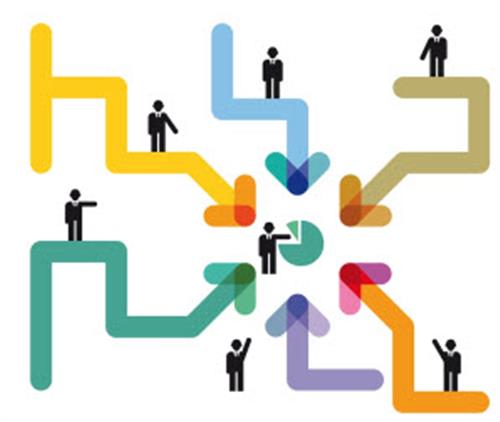
When considering stakeholders, there are very few one-to-one relationships. Most stakeholders are, and have been, influenced by a range of relationships in and around your project, program and your organisation.
“Every business creates, and sometimes destroys, value for customers, suppliers, employees, communities and financiers. The idea that business is about maximizing profits for shareholders is outdated and doesn’t work very well, as the recent global financial crisis has taught us. The 21st Century is one of ‘Managing for Stakeholders’. The task of executives is to create as much value as possible for stakeholders without resorting to tradeoffs. Great companies endure because they manage to get stakeholder interests aligned.” (R. Edward Freeman)
Stakeholder management is a key facet of organisational management where stakeholder management is often aligned with marketing, branding and corporate social responsibility (CSR) initiatives.
Similarly, stakeholder management is central to change management and the ability to realise the benefits the change was initiated to deliver. The benefits will not be realised unless the key stakeholder communities accept and embrace the changes.
Little things can make a big result
Project and program management also has a focus on effective stakeholder management. In a change initiative, the project and/or program undertakes the work to deliver the elements needed to facilitate the change but are only ever part of the journey from concept to realised value.
A typical evolution of a change initiative would flow along these lines:
- The organisation decides on a major organisational restructure and as a consequence initiates a change management process and appoints a change manager.
- The change manager develops the business case for the program of work and the executives responsible for the organisation's portfolio management approve the business case and agree to fund and resource the program.
- The program manager sets up the program management team, establishes the program management office (PgMO) and charters a series of projects to develop the various deliverables needed to implement the change.
- The projects deliver their outputs.
- The program integrates the outputs with the operational aspects of the organisation.
- The organisation’s management makes effective use of the new systems and processes.
- Value is created for the organisation and its owners.
The change manager is the sponsor and primary client for the program but the people who need to be convinced of the value of changing are the operational managers and their staff. If the organisation does not accept and use the new systems and processes very little value is generated.
Within this scenario, stakeholders in the operational part of the organisation, and particularly the managers will be key stakeholders for a range of different entities:
- They are stakeholders in the organisation itself and part of the organisational hierarchy.
- They are stakeholders in the change process being managed by the change manager.
- As end users of the new systems and processes they are also stakeholders of the program.
- As subject matter experts (SMEs) they are likely to be stakeholders in at least some of the projects.
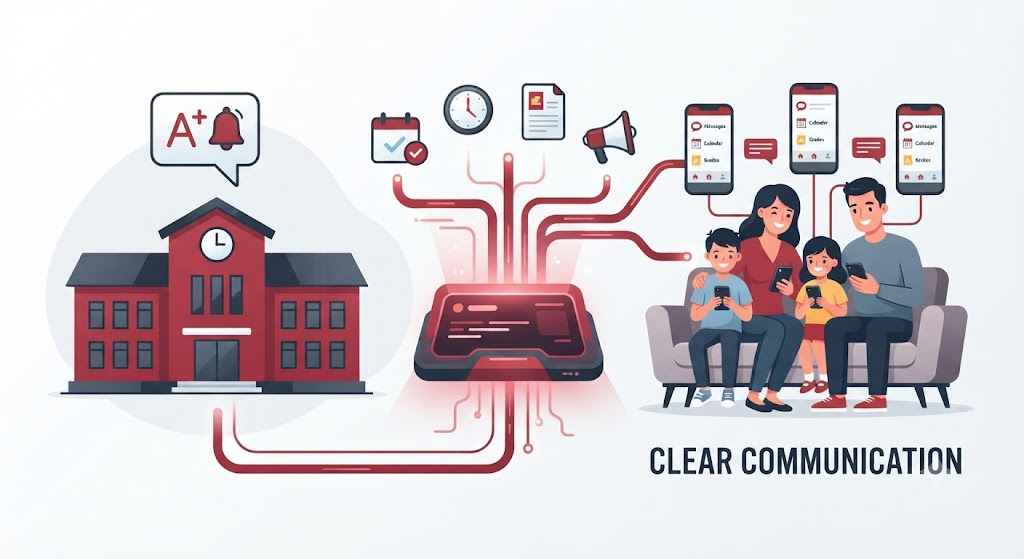
In one respect change management is stakeholder management. Therefore, in a change management initiative, stakeholder management should be an integrated process coordinated at the change manager’s level. All of the organisational elements working on the change need to coordinate their stakeholder management efforts to support the overall outcome. Confusing and mixed messages don’t help anyone.
But this is just one typical business scenario. When considering stakeholders, there are very few one-to-one relationships. Most stakeholders are, and have been, influenced by a range of relationships in and around your organisation. Consequently, focusing on a simple one-to-one view is unlikely to provide the best outcome for anyone.
 Explore more on these topics























 Guest Blogging: The Definitive Guide

 Top Trending Topics
 Share This
 Link copied!
 Recently Updated News