



The Future of Real Estate: Key Trends and Essential Lessons in Digital Transformation
Last updated: November 30, 2025 Read in fullscreen view


 Recommended for you
- 06 Mar 2026
 Next-Generation AI Agents Explained: OpenClaw, NanoClaw, IronClaw and the Rise of Agent Architectures 356/396
 - 14 Jan 2026 How to Evaluate the Business and Productivity Software Company Seismic on RFP AI Agent Use Cases 251/302
- 29 Oct 2024 Top AI Tools and Frameworks You’ll Master in an Artificial Intelligence Course 186/591
- 01 Dec 2025 Manufacturing 4.0: AI Agents Enabling Self-Optimizing Production Systems 176/237
- 02 Dec 2025 The Question That Shook Asia: What Happens When We Ask AI to Choose Between a Mother and a Wife? 170/208
- 05 Jun 2025 How AI-Driven Computer Vision Is Changing the Face of Retail Analytics 167/290
- 23 Dec 2024 Garbage In, Megabytes Out (GIMO): How to Rise Above AI Slop and Create Real Signal 165/219
- 09 Jul 2024 What Is Artificial Intelligence and How Is It Used Today? 164/422
- 16 Oct 2025 AI Inference Explained Simply: What Developers Really Need to Know 162/196
- 24 Mar 2026 AI for Financial Reconciliation: Automating Finance Operations in 2026 151/182
- 06 Dec 2025 Enterprise Operations 2.0: Why AI Agents Are Replacing Traditional Automation 149/193
- 06 Nov 2025 DataOps: The Next Frontier in Agile Data Management 139/198
- 25 Nov 2025 How AI Agents Are Redefining Enterprise Automation and Decision-Making 133/191
- 29 Jan 2026 Why Headless Commerce Is Shaping the Future of the Online Store 123/150
- 25 Dec 2025 What Is Algorithmic Fairness? Who Determines the Value of Content: Humans or Algorithms? 121/165
- 15 Apr 2024 Weights & Biases: The AI Developer Platform 119/310
- 08 Apr 2026 Top AI Agent Development Companies for Manufacturing Industry (2026) 114/142
- 01 Jul 2025 The Hidden Costs of Not Adopting AI Agents: Risk of Falling Behind 113/262
- 16 Aug 2022 What is a Headless CMS? 111/397
- 29 Nov 2021 Memorandum of Understanding (MOU) for Partnership Agreements 108/678
- 17 Oct 2025 MLOps vs AIOps: What’s the Difference and Why It Matters 108/220
- 27 Aug 2025 How AI Consulting Is Driving Smarter Diagnostics and Hospital Operations 103/203
- 20 Dec 2021 What is Hybrid Mobile App Development? 102/504
- 10 Nov 2025 Multi-Modal AI Agents: Merging Voice, Text, and Vision for Better CX 102/216
- 12 Jan 2026 Companies Developing Custom AI Models for Brand Creative: Market Landscape and Use Cases 101/133
- 21 Nov 2025 The Rise of AgentOps: How Enterprises Are Managing and Scaling AI Agents 100/156
- 16 Sep 2022 Examples Of Augmented Intelligence In Today’s Workplaces Shaping the Business as Usual 99/536
- 07 Nov 2022 Why Design Thinking can save the outsourcing industry 99/291
- 21 Aug 2024 What is Singularity and Its Impact on Businesses? 98/560
- 15 May 2025 AI Consulting for Small Businesses: How to Leverage AI for Growth & Efficiency 97/290
- 24 Dec 2024 Artificial Intelligence and Cybersecurity: Building Trust in EFL Tutoring 96/266
- 09 Sep 2025 Aligning BI Dashboards with KPIs: A Business + Data Collaboration Guide 95/183
- 07 Nov 2025 Online vs. Offline Machine Learning Courses in South Africa: Which One Should You Pick? 94/165
- 06 May 2025 How Machine Learning Is Transforming Data Analytics Workflows 93/290
- 28 Nov 2025 How AI Will Transform Vendor Onboarding and Seller Management in 2026 87/217
- 22 Sep 2025 Why AI Is Critical for Accelerating Drug Discovery in Pharma 82/197
- 24 Oct 2025 AI Agents in SaaS Platforms: Automating User Support and Onboarding 80/151
- 04 Oct 2023 The Future of Work: Harnessing AI Solutions for Business Growth 78/359
- 21 Apr 2025 Agent AI in Multimodal Interaction: Transforming Human-Computer Engagement 71/266
- 05 Aug 2024 Affordable Tech: How Chatbots Enhance Value in Healthcare Software 63/293
- 06 Dec 2024 Steps For Integrating Sustainable Practices Into Business Operations 60/209
- 29 Aug 2025 How AI Is Transforming Modern Management Science 59/127
- 03 Dec 2025 Templafy Features Explained: The Ultimate Guide to Streamlined Content Management 12/181
- 06 Nov 2025 Top AI Development Companies in the USA to Watch in 2026 4/241
Real estate is undergoing a once-in-a-generation shift. Economic uncertainty, rapid technology adoption, changing consumer expectations, and the rise of data-driven decision-making are reshaping how developers, brokers, investors, and property managers operate. The future belongs to companies that can blend physical assets with digital intelligence—and those that fail to adapt risk being left behind.
1. The Future of Real Estate: 5 Transformational Trends
1. PropTech Becomes the Default
PropTech is no longer a niche. AI-powered property search, virtual tours, automated valuation models (AVMs), smart contracts, and digital property management tools will become standard layers in every real estate workflow. Companies that integrate these tools will unlock faster sales cycles, better tenant experiences, and more accurate investment decisions.
2. The Rise of Data-Driven Real Estate
Data will transform property valuation, construction planning, pricing models, and market forecasting. Machine learning models can analyze location patterns, demographic shifts, rental demand, and financing risk at a level impossible for humans alone. Firms that build strong data infrastructures will gain a long-term competitive advantage.
3. Virtualization of the Real Estate Experience
From AR/VR tours to “digital twins” of buildings, buyers and tenants increasingly expect immersive digital experiences. International investors, remote buyers, and Gen Z renters will see virtual-first interactions as the norm—not a bonus.
4. Smart Buildings and Green Real Estate
Sustainability is moving from optional to mandatory. Smart sensors, IoT automation, energy-efficient systems, and ESG reporting tools will shape building design and operation. Technology will help reduce operational costs, meet regulatory requirements, and increase asset value.
5. Flexible Space and Hybrid Use Models
Co-living, co-working, mixed-use developments, and flexible leasing models are rising in popularity. Digital platforms will manage everything—from booking meeting rooms to onboarding tenants—making flexibility scalable.
2. Key Lessons in Digital Transformation for Real Estate Companies
Lesson #1: Start with Processes, Not Technology
Many companies fail because they buy tools before understanding what problem they’re solving. Map out pain points across sales, leasing, operations, customer service, and asset management—then choose the right technology to fix them.
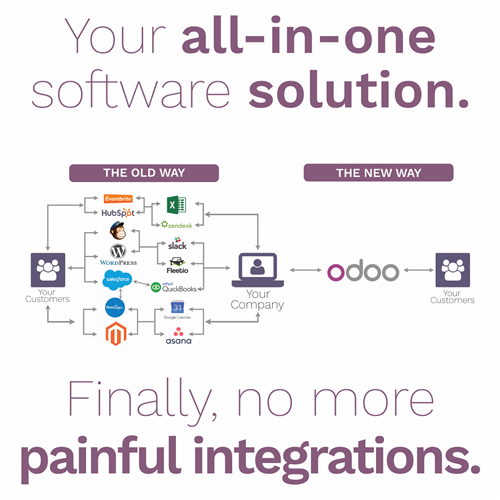
Lesson #2: Build a Unified Data System
Data trapped in Excel, email threads, or disconnected CRM/ERP systems limits growth. Real estate companies must invest in:
- Centralized databases
- API-friendly systems
- Standardized data definitions
- Dashboards for real-time insights
Without unified data, digital transformation is impossible.
Lesson #3: Train People, Not Only Machines
Digital transformation succeeds only when employees adopt new workflows. Training, incentives, and change-management programs must be built into every project. Technology adoption should be measured like a KPI.
Lesson #4: Modernize Customer Experience
Whether you’re a developer, broker, or manager, customer expectations have changed. Today’s buyers want:
- 24/7 online interaction
- Transparent project information
- Digital contract signing
- Faster response times
- Remote viewing options
Upgrading customer touchpoints using digital channels is essential.
Lesson #5: Start Small, Scale Fast
The most successful PropTech transformations begin with small pilots—such as digitizing leads, automating reporting, or implementing online booking—and expand only after measurable success. This reduces risk and increases internal buy-in.
Lesson #6: Partner Instead of Building Everything
Real estate companies don’t need to become software companies. The modern approach is collaboration:
- PropTech vendors
- Construction tech startups
- Data providers
- Smart-building integrators
Partnerships accelerate innovation and reduce cost.
3. What the Next Decade Looks Like
Over the next 10 years, the real estate industry will become more:
- Digital: Automation, AI, and analytics embedded in every workflow
- Customer-centric: Personalized digital experiences across all stages
- Sustainable: Green buildings and ESG transparency as global standards
- Agile: Flexible space design and modular construction
- Transparent: Blockchain-based transactions and standardized data
The companies that lead this transformation will shape the cities, homes, workplaces, and communities of the future.
 Explore more on these topics



























 Guest Blogging: The Definitive Guide

 Top Trending Topics
 Share This
 Link copied!
 Recently Updated News