





The Role of AI in Enhancing Business Efficiency and Decision-Making
Last updated: August 28, 2025 Read in fullscreen view


 Recommended for you
- 06 Mar 2026
 Next-Generation AI Agents Explained: OpenClaw, NanoClaw, IronClaw and the Rise of Agent Architectures 350/388
 - 05 Oct 2025 The New Facebook Algorithm: A Paradigm Shift in Content Discovery 268/330
- 21 Dec 2023 Top 12 Low-Code Platforms To Use in 2024 213/1509
- 23 Dec 2025 Microsoft Power Automate vs. n8n: What’s the Real Difference? 208/333
- 29 Oct 2024 Top AI Tools and Frameworks You’ll Master in an Artificial Intelligence Course 183/588
- 02 Oct 2022 The Real Factors Behind Bill Gates’ Success: Luck, Skills, or Connections? 181/554
- 18 Oct 2020 How to use the "Knowns" and "Unknowns" technique to manage assumptions 165/1259
- 03 Oct 2025 Top CMS Trends 2026: The Future of Digital Content Management 164/194
- 23 Dec 2024 Garbage In, Megabytes Out (GIMO): How to Rise Above AI Slop and Create Real Signal 163/217
- 09 Jul 2024 What Is Artificial Intelligence and How Is It Used Today? 163/416
- 05 Jun 2025 How AI-Driven Computer Vision Is Changing the Face of Retail Analytics 162/285
- 16 Oct 2025 AI Inference Explained Simply: What Developers Really Need to Know 157/191
- 02 Dec 2025 The Question That Shook Asia: What Happens When We Ask AI to Choose Between a Mother and a Wife? 157/193
- 25 Mar 2026 Token Bills: The "Cost Shock" After the AI Boom in Companies 154/175
- 20 Dec 2025 The Future of IT Consulting: Key Trends for 2026–2030 152/194
- 31 Dec 2025 10 Skills to Make You "Irreplaceable" in the Next 3 Years (even if AI changes everything) 150/180
- 06 Nov 2025 Top 10 AI Development Companies in the USA to Watch in 2026 145/221
- 06 Dec 2025 Enterprise Operations 2.0: Why AI Agents Are Replacing Traditional Automation 140/184
- 26 Mar 2026 What Is a System Integrator (SI)? Why the Software Subscription Model Is Becoming the New Standard 136/170
- 18 Jul 2024 The 8 Best ways to Innovate your SAAS Business Model in 2024 136/391
- 28 Oct 2025 The Future of Real Estate: Key Trends and Essential Lessons in Digital Transformation 135/206
- 25 Nov 2025 How AI Agents Are Redefining Enterprise Automation and Decision-Making 130/188
- 24 Mar 2026 AI for Financial Reconciliation: Automating Finance Operations in 2026 128/156
- 31 Jul 2025 Top WooCommerce Pre-Order Plugins with Countdown & Discounts 125/222
- 23 Sep 2021 INFOGRAPHIC: Top 9 Software Outsourcing Mistakes 123/546
- 11 Jan 2024 What are the Benefits and Limitations of Augmented Intelligence? 119/605
- 18 Aug 2022 What are the consequences of poor requirements with software development projects? 118/386
- 13 Dec 2020 Move fast, fail fast, fail-safe 118/458
- 04 Mar 2026 CRM Trends Shaping Customer Engagement in 2026 117/145
- 22 Dec 2025 The Role of Automotive Software in Building Smarter Vehicles 116/158
- 25 Dec 2025 What Is Algorithmic Fairness? Who Determines the Value of Content: Humans or Algorithms? 116/159
- 15 Apr 2024 Weights & Biases: The AI Developer Platform 116/307
- 06 Feb 2021 Why fail fast and learn fast? 114/590
- 01 Oct 2020 Fail fast, learn faster with Agile methodology 113/1187
- 01 Jul 2025 The Hidden Costs of Not Adopting AI Agents: Risk of Falling Behind 112/261
- 20 Feb 2025 How Machine Learning is Shaping the Future of Digital Advertising 111/233
- 10 Aug 2024 Odoo vs. Lark: A Comprehensive Comparison 108/935
- 27 Jul 2024 Positive Psychology in the Digital Age: Future Directions and Technologies 107/535
- 16 Aug 2022 What is a Headless CMS? 106/392
- 29 Nov 2021 Memorandum of Understanding (MOU) for Partnership Agreements 105/673
- 28 Nov 2025 Best Kentico CMS Development Practices for Agile Software Teams 105/159
- 16 Dec 2025 Reducing Cognitive Friction in Software Development: A Guide to Faster, Happier Teams 104/177
- 02 Dec 2024 The Intersection of AI and Business Analytics: Key Concepts to Master in Your Business Analytics Course 103/398
- 27 Aug 2025 How AI Consulting Is Driving Smarter Diagnostics and Hospital Operations 102/202
- 14 Mar 2024 Why should you opt for software localization from a professional agency? 102/241
- 03 Jan 2024 Why Partnership is important for Growth? 102/260
- 10 Nov 2025 Multi-Modal AI Agents: Merging Voice, Text, and Vision for Better CX 101/215
- 12 Jan 2026 Companies Developing Custom AI Models for Brand Creative: Market Landscape and Use Cases 100/132
- 16 Sep 2022 Examples Of Augmented Intelligence In Today’s Workplaces Shaping the Business as Usual 99/535
- 11 Oct 2022 Why choose Billable Viable Product (BVP) over Minimum Viable Product (MVP) 98/440
- 20 Dec 2021 What is Hybrid Mobile App Development? 98/497
- 21 Nov 2025 The Rise of AgentOps: How Enterprises Are Managing and Scaling AI Agents 98/153
- 17 Oct 2025 MLOps vs AIOps: What’s the Difference and Why It Matters 97/208
- 07 Nov 2022 Why Design Thinking can save the outsourcing industry 96/287
- 14 Oct 2021 Advantages and Disadvantages of Time and Material Contract (T&M) 95/988
- 18 Jan 2024 Self-healing code is the future of software development 95/312
- 20 Aug 2025 What Is Agentic AI? The Next Phase of Artificial Intelligence 94/253
- 21 Aug 2024 What is Singularity and Its Impact on Businesses? 94/554
- 24 Dec 2024 Artificial Intelligence and Cybersecurity: Building Trust in EFL Tutoring 93/263
- 25 Sep 2024 Enhancing Decision-Making Skills with an MBA: Data-Driven Approaches for Business Growth 93/300
- 06 May 2025 How Machine Learning Is Transforming Data Analytics Workflows 92/289
- 07 Nov 2025 Online vs. Offline Machine Learning Courses in South Africa: Which One Should You Pick? 91/161
- 25 Jan 2025 The Decline of Traditional SaaS and the Rise of AI-first Applications 91/196
- 23 Jun 2025 AI Avatars in the Metaverse: How Digital Beings Are Redefining Identity and Social Interaction 87/274
- 08 Oct 2022 KPI - The New Leadership 87/695
- 28 Dec 2021 8 types of pricing models in software development outsourcing 87/521
- 28 Nov 2025 How AI Will Transform Vendor Onboarding and Seller Management in 2026 83/213
- 10 Nov 2022 Poor Code Indicators and How to Improve Your Code? 82/299
- 30 Jul 2024 The Future of IT Consulting: Trends and Opportunities 81/292
- 19 Oct 2021 Is gold plating good or bad in project management? 79/910
- 10 Dec 2023 Pain points of User Acceptance Testing (UAT) 79/537
- 31 Dec 2023 Software Development Outsourcing Trends to Watch Out for in 2024 79/308
- 04 Oct 2023 The Future of Work: Harnessing AI Solutions for Business Growth 78/357
- 18 Aug 2024 The Future of Web Development: Emerging Trends and Technologies Every Developer Should Know 77/272
- 22 Sep 2025 Why AI Is Critical for Accelerating Drug Discovery in Pharma 76/191
- 31 Dec 2022 The New Normal for Software Development 76/429
- 17 Feb 2022 Prioritizing Software Requirements with Kano Analysis 75/379
- 10 Sep 2024 Leading Remote Teams in Hybrid Work Environments 75/219
- 24 Oct 2025 AI Agents in SaaS Platforms: Automating User Support and Onboarding 74/145
- 27 Feb 2025 How AI Agents are Changing Software Development? 73/310
- 19 Dec 2023 How AI is Transforming Software Development? 73/366
- 03 Nov 2023 Why Is Billable Viable Product An Alternative To Minimum Viable Product? 72/263
- 19 Apr 2021 7 Most Common Time-Wasters For Software Development 72/617
- 12 Mar 2024 How do you create FOMO in software prospects? 70/243
- 01 Mar 2023 Bug Prioritization - What are the 5 levels of priority? 69/298
- 21 Apr 2025 Agent AI in Multimodal Interaction: Transforming Human-Computer Engagement 69/264
- 09 Oct 2024 Short-Form Video Advertising: The Secret to Captivating Your Audience 66/198
- 31 Oct 2021 Tips to Fail Fast With Outsourcing 66/457
- 05 Aug 2024 Affordable Tech: How Chatbots Enhance Value in Healthcare Software 61/291
- 02 Sep 2024 Toolzoon Review: Features, Benefits, and Essential Tools for Enhanced Productivity 60/302
- 06 Dec 2024 Steps For Integrating Sustainable Practices Into Business Operations 60/209
- 15 Aug 2025 Quantum Technology: Global Challenges and Opportunities for Innovators 60/191
- 05 Jan 2024 Easy ASANA tips & tricks for you and your team 60/258
- 17 Mar 2025 Integrating Salesforce with Yardi: A Guide to Achieving Success in Real Estate Business 59/266
- 29 Aug 2025 How AI Is Transforming Modern Management Science 57/124
- 26 Dec 2023 Improving Meeting Effectiveness Through the Six Thinking Hats 53/329
- 10 Sep 2024 AI in Email Marketing: Personalization and Automation 51/228
- 31 Dec 2022 Future of Software Development Trends and Predictions 46/197
- 21 Oct 2024 Simplify Your Workflow with an AI Summary Generator 45/225
- 25 Jun 2026 Vercel: The "Secret Weapon" for Modern, High-Performance Web Deployment 45/50
- 06 Nov 2019 How to Access Software Project Size? 42/299
- 03 Dec 2025 Templafy Features Explained: The Ultimate Guide to Streamlined Content Management 4/173
Artificial Intelligence (AI) has rapidly become one of the most impactful technologies for businesses across industries. From automating routine tasks to providing deep insights for strategic decision-making, AI is reshaping how companies operate. Its ability to process large datasets and extract actionable insights with speed and precision has proven invaluable for improving efficiency and making more informed decisions.
In this article, we’ll explore the role of AI in enhancing business efficiency and decision-making, including its influence on content creation, particularly in the growing trend of faceless video production for social media and communication.
Streamlining Business Operations
One of the most profound effects of AI is its ability to automate time-consuming and repetitive tasks, which helps businesses become more efficient. Tasks like data entry, customer service, and even parts of the supply chain process can be automated using AI. This reduces the need for human intervention in routine operations, allowing employees to focus on more complex, value-adding activities.
For example, AI-powered chatbots have become common in customer service. These bots can handle inquiries and resolve common customer issues quickly and efficiently, without the need for human agents. They can also function 24/7, providing consistent service and reducing wait times, which improves customer satisfaction and loyalty. The automation of these kinds of tasks not only improves service quality but also allows businesses to operate with fewer overhead costs.
Improving Decision-Making with AI
One of the key strengths of AI is its ability to analyze large volumes of data in real-time. By processing vast datasets and identifying trends, AI provides businesses with insights that help them make informed decisions. This capability is particularly valuable in fields like finance, marketing, and operations, where decisions need to be based on up-to-the-minute data and predictive models.
For example, AI-powered analytics tools can track consumer behavior, market trends, and purchasing patterns. These insights allow businesses to adjust their marketing strategies, product offerings, and sales efforts accordingly. Furthermore, by using predictive analytics, companies can anticipate future trends and customer needs, giving them a competitive advantage.
In supply chain management, AI can optimize logistics by predicting demand, tracking shipments, and identifying potential bottlenecks. This enables businesses to streamline their supply chains, reduce costs, and ensure timely delivery of products. The use of AI-driven decision-making tools can lead to improved operational efficiency and higher profitability.
Enhancing Marketing Strategies
AI has a transformative effect on marketing, enabling businesses to execute more precise and targeted campaigns. With AI, marketers can analyze vast amounts of customer data, segment audiences, and deliver personalized content that resonates with each individual consumer.
One area where AI is particularly effective is in the creation of faceless videos for marketing campaigns. Faceless videos, which involve delivering content without appearing on screen, are becoming increasingly popular for businesses looking to maintain a consistent presence on social media platforms without the need for traditional video production resources.
By using AI tools, businesses can create and distribute engaging faceless videos at scale. These videos can include personalized content, tailored messages, and even AI-generated voiceovers, ensuring that the audience feels engaged without requiring someone to appear on camera. This is especially useful for businesses that want to maintain a professional image while maximizing their reach on platforms like YouTube, TikTok, and Instagram.
AI-driven tools make it easy to produce videos quickly, helping businesses keep up with the fast pace of social media while saving time and resources. The ability to create content effortlessly also means businesses can test multiple versions of a video or message, gather feedback, and refine their approach in real-time based on audience engagement.
AI in Financial Management
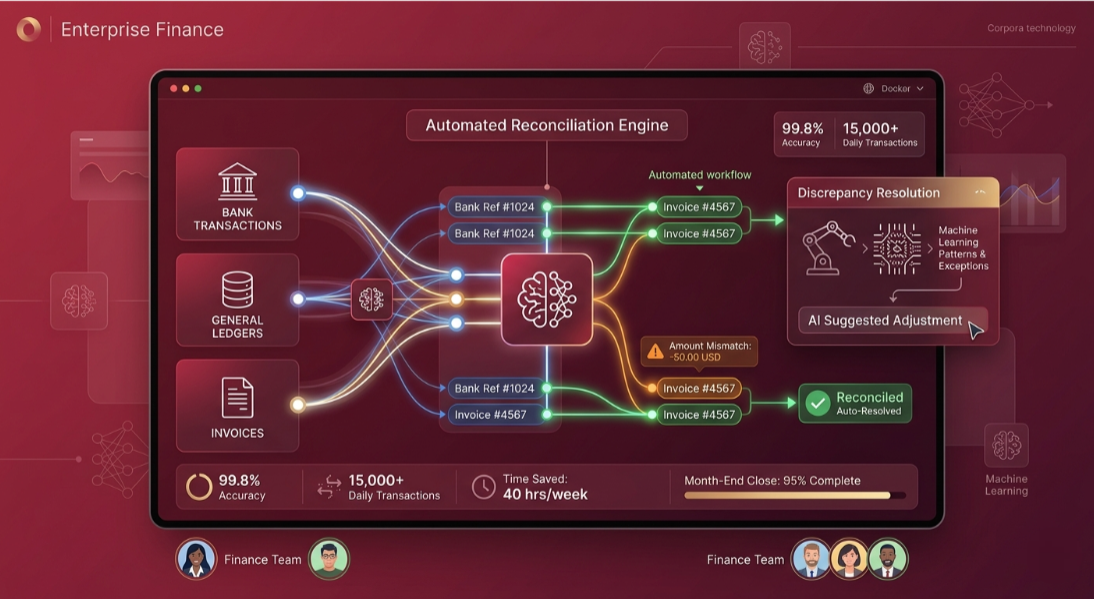
AI is also making strides in financial management, helping companies make smarter decisions about investments, budgeting, and resource allocation. Automated financial software, powered by AI, can analyze spending patterns, predict financial outcomes, and detect anomalies that might indicate fraud.
For example, AI can help businesses track financial transactions in real-time, monitor cash flow, and generate financial reports with minimal human intervention. This not only saves time but also reduces the risk of errors, which can be costly in financial operations. AI’s ability to predict future financial trends and generate accurate forecasts also enables companies to allocate resources more efficiently and plan for growth.
In addition, AI-powered systems can provide insights into employee productivity and overall company performance. By analyzing key performance indicators (KPIs), businesses can identify areas that need improvement and make data-driven decisions to optimize operations.
AI and Human Resources
Another area where AI is driving efficiency is human resources (HR). From recruitment to employee management, AI-powered tools are helping HR teams streamline their processes and make better decisions.
For example, AI can automate the screening of job applicants, analyzing resumes, and matching candidates with job openings based on their qualifications. This reduces the time spent manually reviewing applications and helps ensure that only the most qualified candidates are shortlisted. In addition, AI can help eliminate bias in hiring by focusing purely on objective data.
AI tools can also track employee performance, identify training needs, and provide insights into workforce productivity. This allows HR departments to offer personalized development plans for employees, ensuring that each team member is equipped to perform at their best. By automating routine tasks such as payroll processing and performance evaluations, AI frees up HR professionals to focus on more strategic initiatives.
The Rise of AI-Powered Content Creation
Content creation is another area where AI is playing a transformative role. In addition to faceless video production, AI can generate written content, design visuals, and even compose music. Businesses are increasingly turning to AI to create content that resonates with their audiences, without requiring significant human input.
AI-powered tools can help businesses maintain a consistent content production schedule, enabling them to post regularly across various platforms. This is particularly useful for businesses operating in fast-paced industries where trends change quickly, and there is a constant need for fresh, engaging content.
With AI, businesses can experiment with different formats, from blog posts and social media updates to podcasts and video content. The flexibility and scalability of AI-driven content creation mean businesses can reach larger audiences, maintain brand consistency, and ensure their content strategy aligns with their goals.
Conclusion
AI is playing a pivotal role in transforming the way businesses operate. From automating routine tasks to enhancing decision-making and improving marketing strategies, AI-powered solutions are enabling companies to operate more efficiently and make better, data-driven decisions.
The growing trend of faceless video production, powered by AI, is helping businesses maintain a professional online presence while keeping content creation costs low. Whether in finance, marketing, human resources, or operations, AI is unlocking new levels of productivity and helping businesses stay competitive in an increasingly digital world.
As AI technology continues to evolve, its role in business efficiency and decision-making will only expand, offering companies even more opportunities to innovate and succeed.
 Explore more on these topics





























 Guest Blogging: The Definitive Guide

 Top Trending Topics
 Share This
 Link copied!
 Recently Updated News