



Why YouTube Content Is the New Resume: Building Trust and Expertise Even Without Views
Last updated: January 12, 2026 Read in fullscreen view


 Recommended for you
- 01 Jan 2026
 Youtube 2026 updates: 8 new features every creator should know 289/382
 - 10 Sep 2024 Complete Green Screen Setup Guide for Webcam Creators 161/224
- 02 Oct 2025 The YouTube Algorithm Has Changed: Why Your Old Strategy No Longer Works in 2025 152/346
- 12 Jan 2026 A-Roll, B-Roll, and Jump Cuts: Three Core Concepts Every Video Creator Must Understand 127/169
- 19 Oct 2021 Software development life cycles 118/795
- 18 Oct 2020 How to use the "Knowns" and "Unknowns" technique to manage assumptions 109/1200
- 13 Oct 2021 Outsourcing Software Development: MVP, Proof of Concept (POC) and Prototyping. Which is better? 108/582
- 13 Dec 2020 Move fast, fail fast, fail-safe 104/424
- 04 Oct 2021 Product Validation: The Key to Developing the Best Product Possible 103/411
- 11 Jan 2024 What are the Benefits and Limitations of Augmented Intelligence? 97/577
- 06 Feb 2021 Why fail fast and learn fast? 96/561
- 14 Jan 2026 Why YouTube Channels Like “Monkey Explained” Use a Monkey as a Recurring Character 95/124
- 12 Aug 2024 Understanding Google Analytics in Mumbai: A Beginner's Guide 91/185
- 12 Oct 2022 14 Common Reasons Software Projects Fail (And How To Avoid Them) 90/652
- 31 Dec 2025 26 Things You Should Do Now to Prepare for 2026 90/133
- 01 Oct 2020 Fail fast, learn faster with Agile methodology 88/1156
- 14 Mar 2024 Why should you opt for software localization from a professional agency? 86/225
- 18 Aug 2022 What are the consequences of poor requirements with software development projects? 86/344
- 31 Aug 2022 What are the best practices for software contract negotiations? 82/349
- 23 Sep 2021 INFOGRAPHIC: Top 9 Software Outsourcing Mistakes 78/501
- 05 Mar 2021 How do you minimize risks when you outsource software development? 78/409
- 07 Oct 2025 Case Study: Using the “Messaging House” Framework to Build a Digital Transformation Roadmap 75/154
- 01 Jun 2024 Top AI Video Tools for 2026 — Updated with 2025’s Quick Edit & Text-to-Video Trends 72/460
- 12 Apr 2025 How to Ask Powerful Questions Like Socrates 72/106
- 06 Mar 2024 [SemRush] What Are LSI Keywords & Why They Don‘t Matter 71/266
- 28 Dec 2021 8 types of pricing models in software development outsourcing 70/504
- 05 Sep 2023 The Cold Start Problem: How to Start and Scale Network Effects 70/261
- 08 Oct 2022 KPI - The New Leadership 68/674
- 01 Jan 2024 6 Japanese Life Principles That Quietly Transform You 67/180
- 14 Oct 2021 Advantages and Disadvantages of Time and Material Contract (T&M) 65/946
- 28 Jul 2022 POC, Prototypes, Pilots and MVP: What Are the Differences? 64/793
- 06 Jan 2025 How FlexClip AI Makes Video Editing Easier 62/223
- 10 Dec 2023 Pain points of User Acceptance Testing (UAT) 61/515
- 12 Mar 2026 Beyond the Box: The Strategic Evolution of Unboxing Content in 2026 59/73
- 01 May 2024 Warren Buffett’s Golden Rule for Digital Transformation: Avoiding Tech Overload 57/263
- 12 Dec 2021 Zero Sum Games Agile vs. Waterfall Project Management Methods 55/465
- 04 Oct 2022 Which ERP implementation strategy is right for your business? 54/401
- 19 Apr 2021 7 Most Common Time-Wasters For Software Development 54/599
- 01 Dec 2023 Laws of Project Management 53/367
- 10 Nov 2022 Poor Code Indicators and How to Improve Your Code? 52/269
- 18 Jul 2021 How To Ramp Up An Offshore Software Development Team Quickly 52/640
- 19 Oct 2021 Is gold plating good or bad in project management? 52/883
- 12 Mar 2024 How do you create FOMO in software prospects? 49/217
- 05 Jan 2024 Easy ASANA tips & tricks for you and your team 49/246
- 01 Mar 2023 Bug Prioritization - What are the 5 levels of priority? 49/275
- 03 Jul 2022 Occam’s Razor and the Art of Software Design 46/545
- 28 Oct 2022 Build Operate Transfer (B.O.T) Model in Software Outsourcing 45/446
- 31 Oct 2021 Tips to Fail Fast With Outsourcing 45/433
- 15 Aug 2025 Quantum Technology: Global Challenges and Opportunities for Innovators 43/164
- 17 Feb 2022 Prioritizing Software Requirements with Kano Analysis 41/345
- 26 Dec 2023 Improving Meeting Effectiveness Through the Six Thinking Hats 41/312
- 06 Nov 2019 How to Access Software Project Size? 31/288
- 01 Jul 2025 Stop Wasting Content - Turn Long Videos into Viral Clips in Minutes 8/140
Why Posting on YouTube Can Change Your Life (Even When No One Is Watching)
You spend hours planning, filming, and editing a YouTube video-only to publish it and see almost no views. You try again. Same result. Meanwhile, other creators seem to grow faster while posting less, and you start wondering: “Maybe YouTube just isn’t for me.”
If that sounds familiar, you’re not alone.
Growing a YouTube channel can be one of the most frustrating creative journeys. Many new creators quit within six to twelve months simply because they don’t see immediate results. Views feel like validation, and when they’re missing, it’s easy to believe your work doesn’t matter.
But here’s the truth: posting on YouTube can still transform your life-even when no one seems to be watching.
Growth on YouTube Takes Time
YouTube is not an overnight success platform. Growth can take months or even years. That doesn’t mean you’re failing-it means you’re building.
Whenever you feel like quitting, go back to your why. Why did you start this channel in the first place?
Was it to share knowledge? To express yourself creatively? To build a new income stream?
If that reason still matters to you, then YouTube is a long-term commitment. And along the way, you gain far more than views.
1. You Build Mental Resilience
One of the hardest parts of YouTube is the mental game. Unlike platforms such as TikTok or Instagram, YouTube rarely offers instant gratification-especially for beginners.
At the start, no one cares about your videos. And honestly, that’s normal. People are busy with their own lives. The only way to earn their attention is by consistently providing value-educating, inspiring, or entertaining them.
That process involves trial and error, self-doubt, and uncertainty. But pushing through those moments builds resilience. Even MrBeast uploaded over 100 videos and spent more than two years before reaching his first 1,000 subscribers.
Success is rarely about talent alone. It’s about persistence.
2. You Improve Your Craft
Every video you publish is an opportunity to grow.
You learn how to communicate more clearly, become more comfortable on camera, edit better, research deeper, and structure your ideas more effectively. Watching tutorials helps-but real learning happens when you publish your own content.
When you look back at your old videos and cringe, that’s actually a good sign. It means you’ve improved.
3. You Build a Digital Portfolio
Even if your latest video gets only 50 views, it still matters.
Each upload becomes part of your digital footprint. Over time, your channel turns into a portfolio that represents who you are as a creator and what you stand for. Every video is a small win-proof that you showed up and invested in yourself.
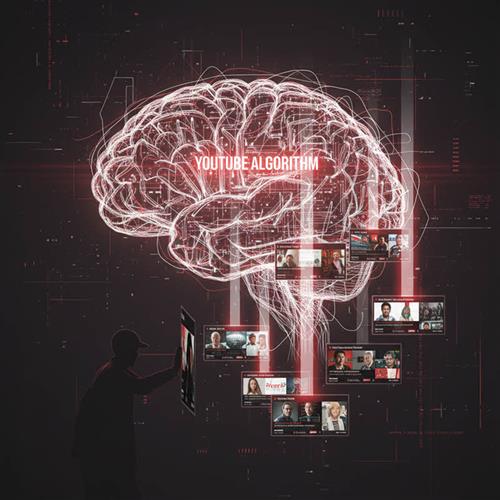
4. You Train the YouTube Algorithm
YouTube needs data to understand your channel.
Consistent uploads help the platform identify your niche and match your content with the right audience. When people finally discover one of your videos and enjoy it, they’re more likely to binge-watch your content.
And YouTube loves binge-watching.
5. You Discover What Your Audience Really Wants
Most creators don’t start with perfect clarity-and that’s okay.
By experimenting with different topics and formats, you begin to see what resonates. Sometimes a video you didn’t expect to perform well becomes the one that changes your direction entirely.
Your audience teaches you what they need. Your job is to listen.
6. You Make a Real Impact
People come to YouTube to learn something or feel something.
If even one person tells you that your video helped, motivated, or inspired them-that alone makes the effort worthwhile. And for every person who speaks up, there are many more who quietly benefit.
Impact doesn’t always show up in numbers.
7. You Get Rewarded Over Time
YouTube videos are digital assets.
Once your channel is monetized, past videos can continue generating income long after they’re published. Sometimes it’s that one video you almost didn’t upload that unlocks everything-suddenly, all your previous effort makes sense.
Lessons That Apply Beyond YouTube
These principles go far beyond content creation.
Showing up consistently-when results aren’t visible-applies to fitness, health, career growth, and personal development. Small actions repeated over time create big change.
Discipline is choosing what you want most over what you want now.
Final Thoughts
If you’re thinking of giving up on YouTube because the numbers aren’t there yet, don’t quit-but also don’t let it consume your entire life.
Focus on the process, not the metrics. Stay connected to your purpose. Be humble, open-minded, and willing to improve.
Views fluctuate. Purpose doesn’t.
Keep going.
 Explore more on these topics























 Guest Blogging: The Definitive Guide
 Top Trending Topics
 Share This
 Link copied!
 Recently Updated News